Is Camel Riding Safe? Everything First-Time Riders Should Know
Is Camel Riding Safe? Everything First-Time Riders Should Know
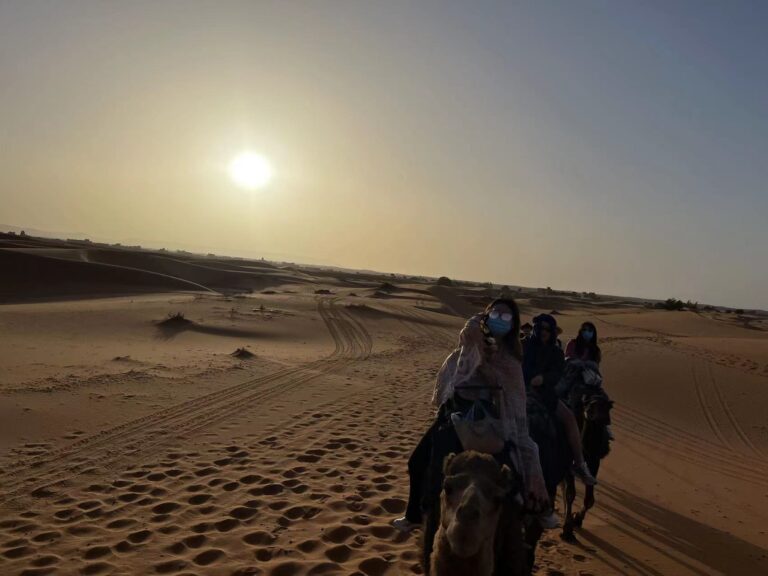
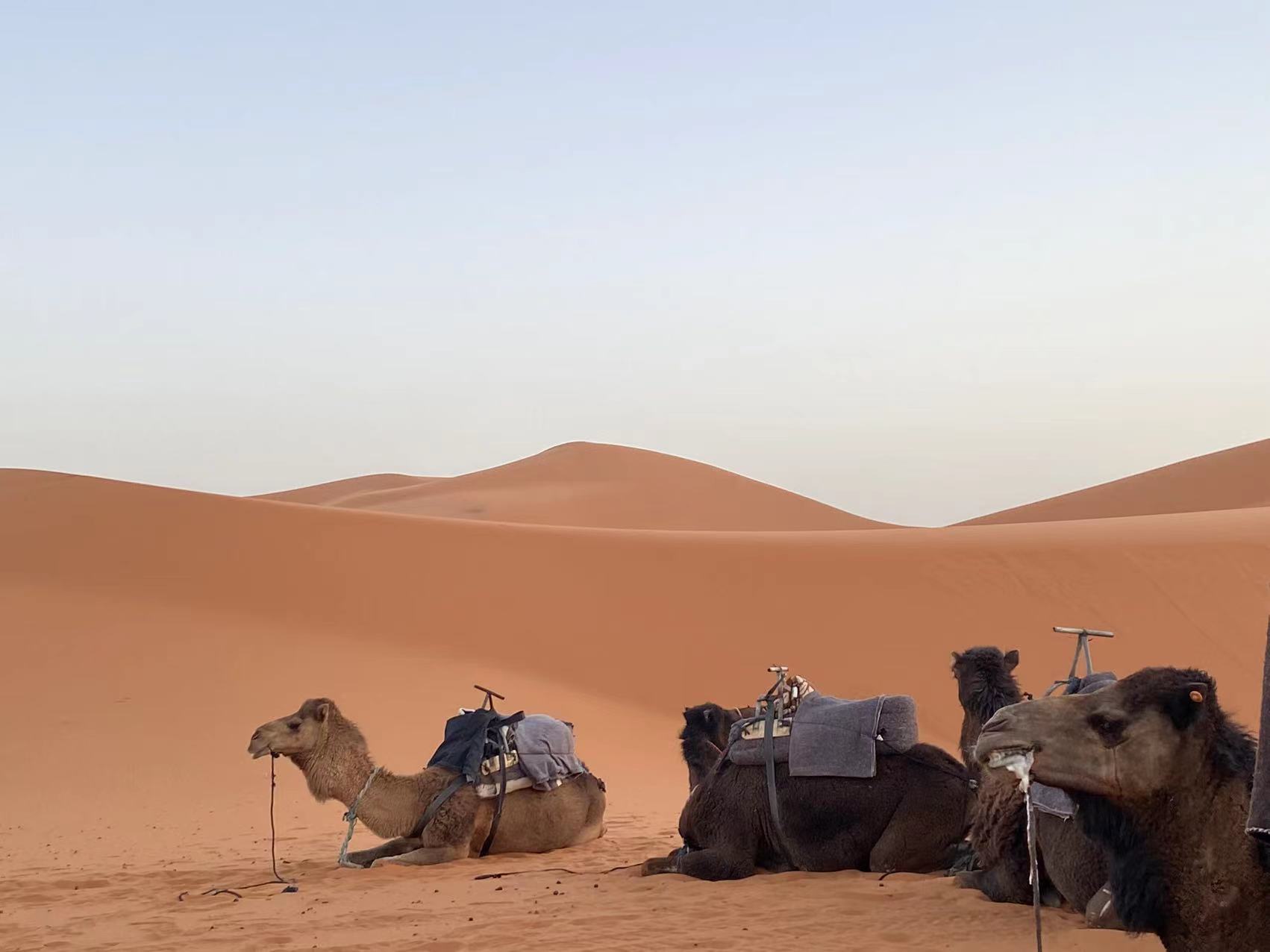
If you’ve ever pictured yourself crossing golden dunes on the back of a dromedary, you’ve probably also wondered: is camel riding safe? It’s one of the most common questions first-time travelers ask before booking a desert experience in Morocco, Jordan, or anywhere across the arid world.
The short answer is reassuring. Camel riding is generally very safe when healthy, well-trained camels are handled by experienced guides who know the terrain and the animals. Of course, like any activity involving a living creature and uneven ground, there are real risks worth understanding before you climb into the saddle.
This guide covers everything you need to know: the actual safety record, the real risks involved, who should avoid riding camels, how professional guides protect you, and how to choose a responsible operator. Whether you’re planning a sunset ride across the Sahara desert of Morocco or simply curious, you’ll leave with a clear, honest picture.
Quick Answer: Is Camel Riding Safe?
Camel riding is considered a low-risk activity for most healthy adults when conducted by professional operators using calm, trained camels at a walking pace. The risk level is pretty low compared to many other adventure activities.
The greatest risks occur during mounting and dismounting, when the camel’s legs fold and unfold and the rider can lose balance. Once you’re sitting and the camel is walking, the motion is slow and rhythmic. Listening to the guide’s instructions is critical for safety, and following them closely reduces the chance of injury dramatically.
That said, certain health conditions may affect a person’s ability to ride camels safely. People with severe back problems, late-stage pregnancy, or recent joint surgery should be cautious and may be advised to skip the ride entirely.
How Safe Are Camel Rides?
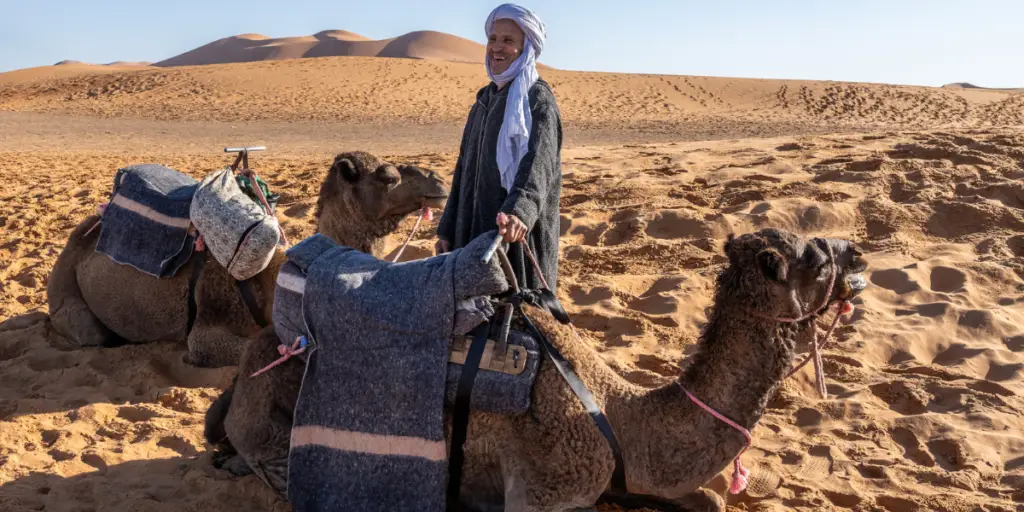
Camels were first domesticated over 5,000 years ago, and they’ve carried humans across deserts ever since. Often called “ships of the desert” in Moroccan culture, this species has played a central role in nomadic life for centuries. There are even more than 50 words for “camel” in Arabic, reflecting how deeply embedded these animals are in the region’s life and history.
On guided tours, trained dromedaries are even tempered and predictable. They’ve been raised around humans, handled daily by the same locals, and accustomed to carrying tourists at a slow walk. This is very different from encountering a wild or untrained animal. A study of 212 camel-related hospital admissions in the UAE found that most injuries came from kicks, falls, or bites, but fatalities were exceedingly rare – around 1%. And importantly, these numbers include all camel interactions, not just tourism rides.
Experienced handlers manage the animals throughout the ride. They walk on the ground beside the caravan, hold the reins or lead ropes, and keep the pace steady. Most camel rides take place at a slow walking pace through flat sand or gentle dunes, nothing like galloping horses across rugged terrain. Camel riding is a popular tourist activity in many arid regions precisely because it’s accessible to beginners.
What Are the Real Risks of Camel Riding?
Serious injuries from camel riding often arise from falls or unexpected movements, but understanding when and how these happen helps you avoid them.
The most vulnerable moments are mounting and dismounting. When a camel starts to stand, its back legs extend first, pitching the rider forward. Then the front legs follow, rocking you backward. If you lean the wrong way, lose your grip on the saddle, or panic, camel mounting and dismounting can result in falls and significant injuries. Riders should master the mounting and dismounting technique to avoid falls – your guide will show you exactly how. For detailed step-by-step technique, check out our guide on how to ride a camel.
During the ride itself, camel riding requires adjusting to their unique gait. The camel’s walk involves both legs on the same side moving together, creating a swaying motion. Camels can also cause friction and chafing due to their gait and coarse hair, especially on longer rides. To maintain balance, keep your weight centered and avoid sudden twisting movements.
Camels can spook and become defensive under certain conditions. Approaching a camel from behind can provoke a defensive reaction, as can loud noises or interference from other animals. However, on professionally guided rides, these situations are managed by the handler. A retrospective analysis of 273 hospitalizations across the Middle East found that fatalities from camel-related injuries were just 1.5%, and most serious cases involved non-tourism contexts.
Environmental hazards are also real. Desert environments pose risks of intense sun and dehydration during camel rides, and heat exhaustion and dehydration are significant risks during camel riding in hot climates, especially during extreme heat in summer months.
Who Should Avoid Camel Riding?
Camel riding is not recommended for everyone. The height off the ground, the rocking motion, and the strain on joints and spine mean certain conditions increase risk considerably:
- Advanced pregnancy – the jolting during mounting and constant swaying pose unnecessary risk
- Recent hip replacement – the wide sitting position and mounting motion stress the joint
- Recent knee surgery – legs must grip and flex during the ride
- Severe back problems – the spine absorbs every shift in movement
- Osteoporosis – even a minor fall from camel height could cause fractures
- Balance disorders – reacting to the camel’s movement requires core stability
- Serious mobility limitations – if climbing stairs is difficult, mounting a camel will be harder
If you’re unsure whether your own needs and physical condition allow it, consult your doctor before booking. A responsible operator will always ask about health concerns and offer alternatives like a 4×4 transfer.
Is Camel Riding Safe for Children?
Most operators set minimum ages between five and eight years old for children to ride a camel on their own. But height and maturity matter more than age alone. A child needs to be tall enough to reach the saddle grips, strong enough to hold on, and calm enough to follow instructions without panicking.
Children should always ride under close supervision, with a guide walking directly beside their camel. Some operators allow small children to ride with an adult on the same saddle, while others prefer one rider per camel for better weight distribution and control. If you’re traveling as a family, consider exploring family-friendly Morocco tours designed with younger travelers in mind.
For nervous kids, a short introductory ride near camp is far better than jumping straight into a long trek across the dunes.
Is Camel Riding Safe for Seniors?
Many travelers in their 60s, 70s, and beyond successfully enjoy camel rides. Chronological age matters far less than flexibility, joint health, and general fitness. If you can comfortably get in and out of a car, walk on uneven ground, and climb a few steps, you can likely handle a gentle camel ride.
That said, recovery from soreness takes longer for older riders, and the rocking motion can be uncomfortable for anyone with stiff hips or a sore back. If you’re unsure, start with a shorter ride of 30 to 45 minutes and see how your body responds before committing to multi day treks.
Is Camel Riding Safe During Pregnancy?
Most responsible operators discourage camel riding during pregnancy, especially from the second trimester onward. The constant rocking motion, the jerky transitions when the camel stands and kneels, and the height off the ground create unnecessary risk for both the person and the pregnancy.
There’s limited clinical research specifically on camel riding and pregnancy outcomes, so advice is largely precautionary. Pregnant travelers should always follow medical advice from their doctor or midwife before deciding. Many expecting mothers still enjoy the Sahara – just by 4×4 and on foot rather than by camel.
How Professional Guides Keep Camel Rides Safe
A skilled guide is the single biggest factor in your safety. Before you mount, they’ll check that the saddle is secure and properly fitted. Poorly fitted saddles can lead to erratic animal behavior during rides, so this step matters for both rider and beast.
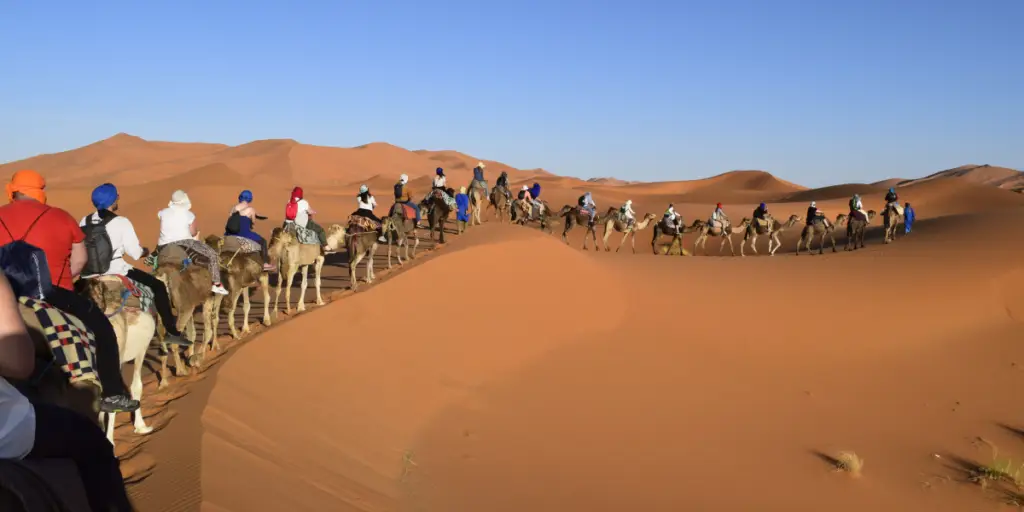
During the ride, guides lead the caravan on foot, keeping camels tied in a calm, spaced line. They choose safe routes across flat sand, avoid steep slopes, and monitor every rider for signs of discomfort or instability. If anything goes wrong – a nervous rider, a spooked camel, a loose strap – they stop the group and address it.
When dismounting, guides control the order carefully, helping each person down one by one. They’ll remind you to stay relaxed and sway with the camel’s rhythm during the ride rather than tensing up. They also ensure personal belongings are secured to prevent loss during camel rides. For more tips on staying comfortable throughout, see our camel riding tips guide.
How to Choose a Responsible Camel Ride Operator
Choosing reputable operators benefits both rider safety and animal welfare. Here’s what to look for:
| Green Flags | Red Flags |
|---|---|
| Camels look calm and well fed with shiny coats | Visible ribs, wounds, or limping |
| Clean, padded saddles in good condition | Worn, cracked, or ill-fitting saddles |
| Experienced guides who give clear safety instructions | Rushed mounting, no briefing |
| Small group sizes | Overloaded camels, double-riding large adults |
| Good reviews mentioning safety and animal care | Reviews mentioning aggressive handling |
| No whipping, shouting, or force | Camels being beaten or tied in painful positions |
Riders should choose reputable tour operators with high animal welfare standards. Unfortunately, many camel owners prioritize profit over money spent on proper care, and camels are often overworked and malnourished in tourism hotspots. Healthy camels typically look calm and well fed – trust your eyes. If something looks wrong, walk away. When exploring private desert tours from Marrakech, ask operators directly about their welfare practices.
If you’re looking for a professionally organized experience in Morocco, explore our Morocco Camel Riding experiences to see the options available across the Moroccan Sahara.
Camel Welfare and Rider Safety Go Together
A positive camel riding experience is safe for both the rider and the camel. This isn’t just an ethical statement – it’s practical. A well-rested, hydrated camel with properly fitted equipment behaves calmly. An overworked, dehydrated one stumbles, resists commands, and can injure its rider.
Proper care includes providing camels with food, water, shade, and rest between tours. Responsible welfare policies set load limits at no more than 20% of the animal’s body weight and restrict working hours to four or five per day. An adult camel can carry up to 1,300 pounds and travel up to 25 miles daily, but that doesn’t mean they should do so for tourists every day. Camels can survive for 10 days without water, yet ethical operators provide it freely and frequently.
Camels are essential for transporting goods in Moroccan culture and have been properly cared for by nomadic families for generations. When camels suffer from overwork or neglect, everyone loses – the animal, the rider, and the community that depends on these animals for its livelihood and well being.
The contrast matters. In 2018, PETA released footage of camels being abused near the pyramids in Egypt, showing animals forced to carry tourists without rest or adequate care. Unlike exploitative operations near some world-famous sites, ethical operators invest in veterinary care, training, and rest schedules. The same scrutiny applies to elephant rides in Southeast Asia or any activity involving domesticated animals – whether camels, horses, elephants, or dogs, the principle is the same. Choose operators where animals are treated with respect, not as disposable tools.
Simple Safety Tips Before Your Camel Ride

A few pieces of common sense go a long way:
- Listen to your guide. They know the camel, the terrain, and the safest way to ride. Follow their signals exactly.
- Hold the saddle handle. Keep at least one hand on the grip whenever the camel moves, especially when it stands or kneels on its knees.
- Relax your body. Don’t fight the motion – let your hips sway with the camel’s walk. Tension makes you more likely to lose balance.
- Stay hydrated. Keeping hydrated is crucial when riding in arid environments. Bring water and drink before and after the ride.
- Avoid sudden movements. Don’t wave your arms, stand up in the saddle, or twist around for a selfie while moving.
- Tell your guide about injuries. If you have a sore back, a bad knee, or feel dizzy, mention it before you mount.
- Secure your belongings. Phones, bags, and a long scarf can slip or catch – tuck everything safely or leave it at camp.
For clothing, wear loose, long-sleeved clothing and long, loose-fitting pants to protect your skin from the camel’s coarse hair and sun exposure. Closed-toe shoes are recommended for camel riding, and basic safety gear like sunscreen and a hat are essential. For a complete clothing breakdown, visit our guide on what to wear for camel riding.
Don’t forget to wash your hands after handling camels to prevent the spread of germs.
Common Safety Myths About Camel Riding
“Camel riding is dangerous.” The risk is comparable to gentle horse riding or a short hike on uneven ground. With trained camels, flat routes, and professional supervision, the chance of injury is low. You’re far more likely to get a sunburn than a serious injury. People ride horses for fun every day, and camel riding at walking pace involves even less speed.
“Camels are aggressive.” Domesticated dromedaries used in tourism are generally docile. Unlike their wild counterparts, they’re raised around humans from birth and undergo training to accept riders calmly. Aggression usually appears only when animals are mistreated, in rut, or sick. A well-managed tour camel is about as threatening as a large, slightly grumpy dog.
“Beginners cannot ride camels safely.” Absolutely untrue. The vast majority of tourists on camel riding tours are complete beginners. Operators design their rides, saddles, and instructions specifically for people who have never sat on a camel before. You don’t need prior experience with horses or any other animals.
“Camel rides are physically exhausting.” A standard sunset ride of 45 to 90 minutes across the dunes is gentle, not grueling. The camel does the walking – you’re sitting. Longer multi day treks are more demanding, of course, but even those include rest breaks and are paced for comfort.
Frequently Asked Safety Questions
Can you fall off a camel? Yes, falls are possible, mainly during mounting or dismounting when the camel shifts its weight and legs. Data from hospital studies show falls account for roughly 25–30% of camel-related injuries. Holding the saddle handle and following your guide’s timing makes this unlikely. For more, see our camel riding FAQ.
Do camels bite? Occasionally. Bites account for about 25% of camel-related hospital visits, but these typically occur when camels are teased, fed from the hand, or stressed. Tour camels accustomed to tourists rarely bite.
Are camel saddles comfortable? Comfort varies. Quality operators use padded saddles that distribute weight evenly. Sitting for more than an hour can feel uncomfortable regardless of padding, so start with shorter rides if you’re unsure.
What happens if a camel gets scared? Guides immediately stop the caravan, calm the animal, and may ask riders to stay still. Startled camels may kick or lurch sideways, but experienced handlers prevent this from escalating.
Are camel rides insured? Many reputable tour operators carry liability insurance. Always ask before booking, and ensure you have your own travel insurance that covers adventure activities.
How long is a typical camel ride? Camel rides can last from one hour to a full day in Morocco. Camel rides in Marrakech offer a unique desert experience of about an hour, while rides at Erg Chegaga or Merzouga typically last 45 to 90 minutes during golden hour. Multi day treks are available for those seeking a deeper journey into the sand.
Final Thoughts
For most healthy adults and older children, camel riding with a responsible operator is a safe, low-speed activity and one of the most memorable ways to experience the desert. The risks are real but manageable – and almost entirely preventable with the right guide, the right camel, and a bit of common sense.
The most important decision you’ll make isn’t whether to ride a camel. It’s choosing who you ride with. Ethical operators who meet high safety standards, care for their animals, and brief their guests thoroughly make the difference between a fun bucket list moment and an uncomfortable one. This applies whether you’re near the pyramids in Egypt, in Wadi Rum in Jordan (a UNESCO World Heritage Site for camel rides), at Petra in Jordan, or crossing the Sahara in Morocco.
If you’re planning a camel riding experience as part of a broader Morocco journey, explore Chegaga Travel’s private Morocco desert tours or build your own itinerary with our tailor-made tours. And for more preparation, check out our guides on how to ride a camel, camel riding tips, and what to wear for camel riding.
The world has plenty of places to ride a camel. Choose one where both you and the camel enjoy the journey.
Ready to Plan Your Perfect Morocco Desert Experience?
Now that you know how to ride a camel, why not experience it for yourself in the Moroccan Sahara? Tell us your travel dates, starting city, and preferences, and we’ll create a private Morocco trip that includes a camel ride suited to your itinerary.