Jewish Heritage in Morocco: Sites and How to Visit
A Jewish heritage tour in Morocco usually centers on four cities: Fes, Marrakech, Casablanca and Essaouira, where you can still visit restored synagogues, historic Jewish quarters (mellahs), cemeteries and the only Jewish museum in the Arab world. With more time, the route can continue to the Ouazzane pilgrimage site in the north and the old mellahs of the southern kasbahs and oases.
This guide covers the main sites city by city, what you can see at each one, practical visiting tips (dress, Shabbat, donations, guides), the best time to go, and how to combine Jewish heritage with the rest of Morocco on a private, tailor-made trip.
Why Is Morocco Important for Jewish Heritage?
Jewish communities lived in Morocco for well over two thousand years, from Amazigh (Berber) villages in the Atlas and the Draa Valley to the large urban mellahs of the imperial cities. Many Sephardic families arrived after the expulsions from Spain and Portugal in the 1490s, adding Andalusian traditions to much older local ones.
Most Moroccan Jews emigrated in the decades after the 1940s, mainly to Israel, France, Canada and the United States, but a small community remains, centered in Casablanca. Morocco’s 2011 constitution names Hebraic heritage among the influences that enrich the country’s national identity, and many synagogues and cemeteries have been restored in recent years. For travelers, this means the heritage is not only historical: you will visit places that are still cared for, and some are still used for prayer and pilgrimage.
Jewish Heritage Sites in Morocco at a Glance
| City / region | Main sites | Time to allow |
|---|---|---|
| Fes | Mellah of Fes el-Jdid, Ibn Danan Synagogue, Slat al-Fassiyine Synagogue, Jewish cemetery and Tomb of Solica | Half day to full day |
| Marrakech | Mellah, Lazama (Slat al-Azama) Synagogue, Miaara Jewish Cemetery | Half day |
| Casablanca | Museum of Moroccan Judaism, Temple Beth-El | Half day |
| Essaouira | Bayt Dakira and Slat Attia Synagogue, Rabbi Haim Pinto Synagogue, Slat Lkahal, mellah and cemetery | Half day to full day |
| Ouazzane (north) | Tomb of Rabbi Amram Ben Diwan at Asjen | Half day (as a detour from Fes or Chefchaouen) |
| South (Draa, Dades, Todra) | Old mellahs of Tinghir and Tamnougalt (El Hara), Amezrou near Zagora | Stops on a desert route |
Fes: The Oldest Mellah and the Ibn Danan Synagogue
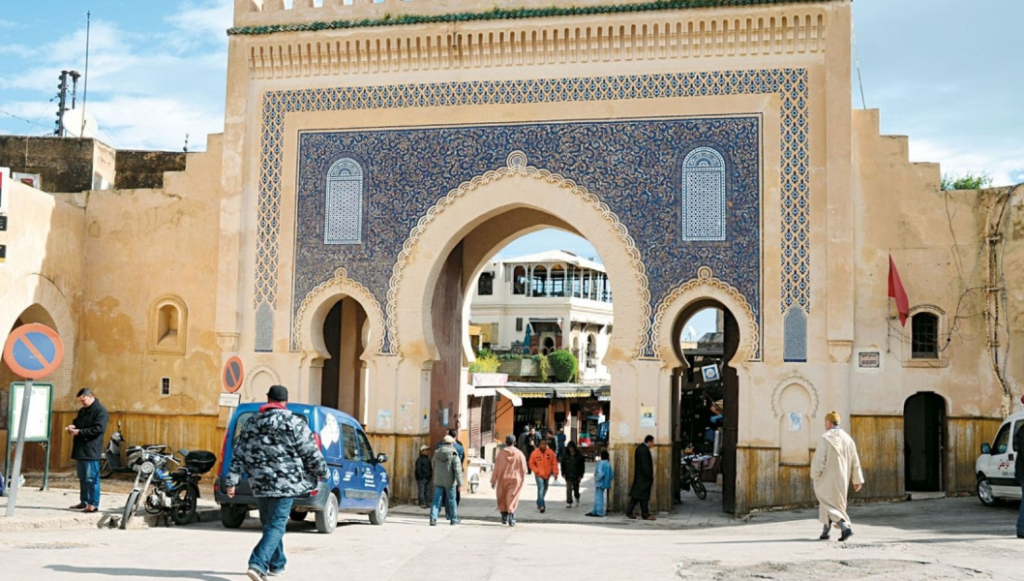
Fes is the essential stop on any Jewish heritage tour of Morocco. Its mellah, next to the Royal Palace in Fes el-Jdid, was the first Jewish quarter of its kind in the country, created in the 15th century, and gave its name to every mellah that followed.
What to see in the Fes mellah
- Ibn Danan Synagogue: a restored 17th-century synagogue with carved woodwork, a Torah ark and an underground mikveh (ritual bath). It is small, and the caretaker usually welcomes visitors in exchange for a modest donation.
- Slat al-Fassiyine Synagogue: another historic synagogue nearby, also restored.
- The Jewish cemetery: rows of whitewashed tombs stretching down the hillside, including the Tomb of Solica (Sol Hachuel), a young woman revered by the community. The cemetery has a small museum.
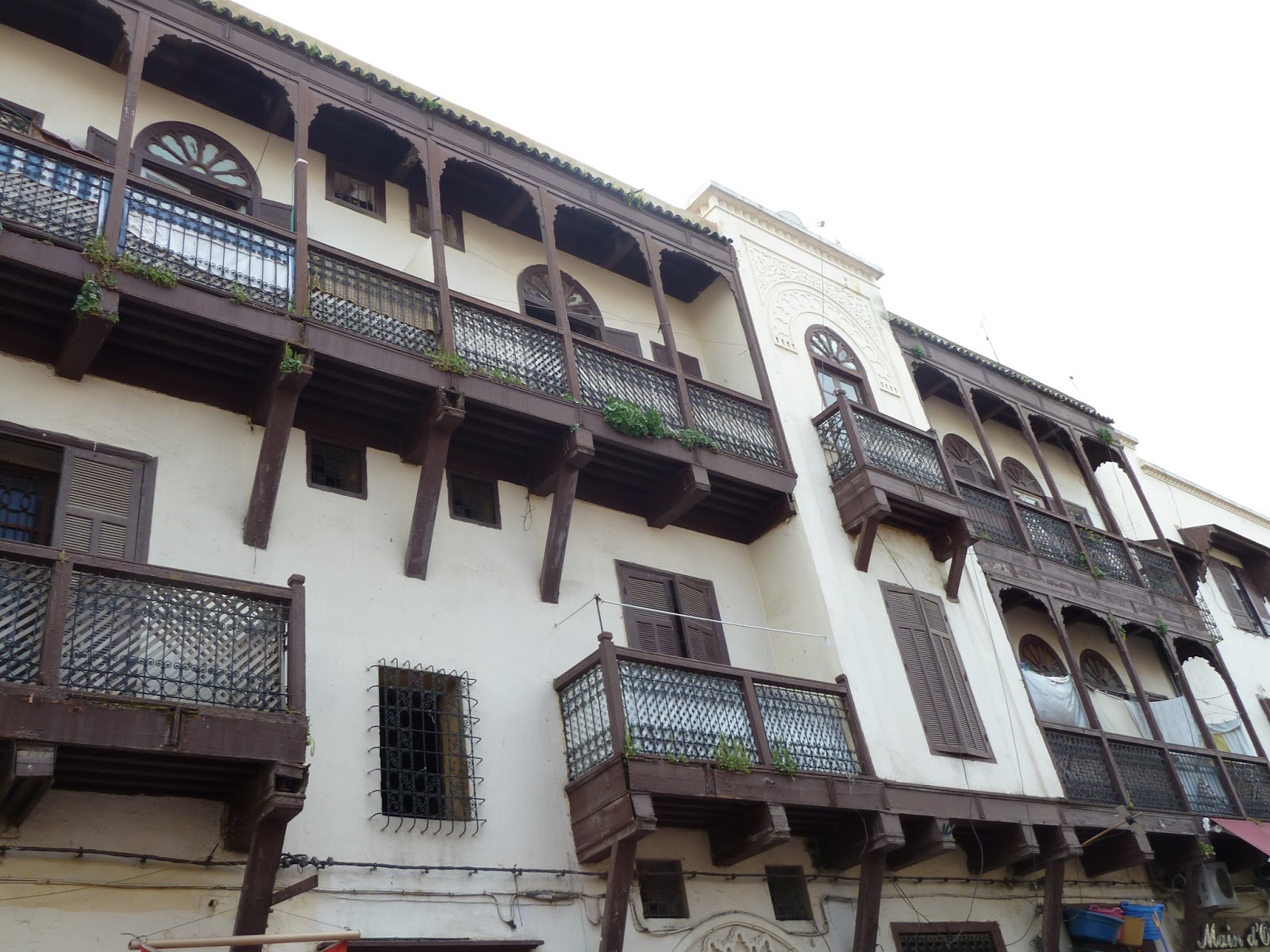
- Mellah architecture: look up at the houses with open wooden balconies facing the street, a style that sets the mellah apart from the inward-looking houses of the old medina.
Many travelers combine the mellah with a guided walk through Fes el-Bali, the medieval medina that UNESCO lists as a World Heritage Site. Our guided Fes medina walking tour can be adapted to include the Jewish quarter.
Marrakech: Lazama Synagogue and the Miaara Cemetery
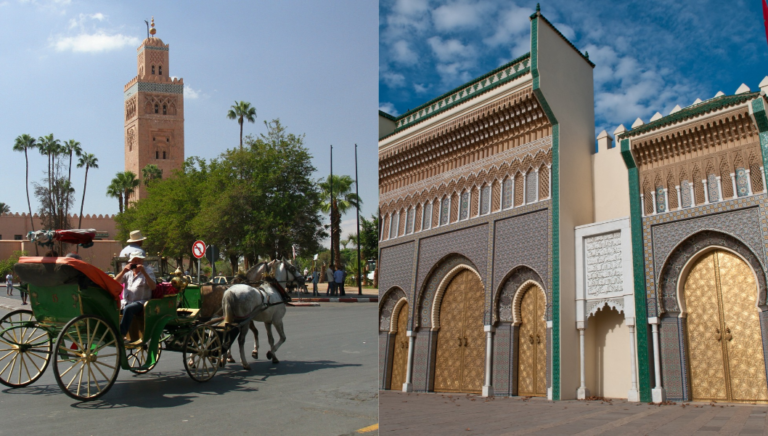
In Marrakech, the Jewish heritage sites are all inside the mellah, a short walk from the Bahia Palace. The quarter was founded in the 16th century under the Saadian dynasty, and before Moroccan independence the city’s Jewish community numbered more than 30,000 people.
- Lazama Synagogue (Slat al-Azama): a 16th-century synagogue around a tiled courtyard. It is still used for occasional services and also displays photographs and documents about Jewish life in Morocco.
- Miaara Jewish Cemetery: one of the largest Jewish cemeteries in Morocco, with thousands of white tombs and the graves of revered rabbis. It is still in use today.
- The Mellah market and streets: the restored lanes, some with their old street names brought back, and the covered spice market make it easy to spend a relaxed half day here.
Because the mellah is close to other major sights, it fits naturally into a guided Marrakech medina tour with a licensed local guide who can explain the history in context.
Casablanca: The Museum of Moroccan Judaism
Casablanca is home to Morocco’s largest remaining Jewish community and to the Museum of Moroccan Judaism, which opened in 1997. It is often described as the only Jewish museum in the Arab world.
The museum, in the Oasis neighborhood, displays Torah scrolls, Hanukkah lamps, ketubot (marriage contracts), traditional costumes and jewelry, and a reconstructed jewelry workshop from Amazigh Jewish communities. It gives the background that makes the mellahs of Fes and Marrakech much easier to understand, so it is a good first stop if you arrive in Casablanca.
Practical tip: opening hours are limited and change during the year, and the museum is closed on Saturdays. Check the current hours before your visit. Many travelers also visit Temple Beth-El, one of Casablanca’s best-known synagogues; visits usually need to be arranged in advance.
If you start your trip here, see our private multi-day tours from Casablanca.
Essaouira: Bayt Dakira and the Synagogues of Mogador
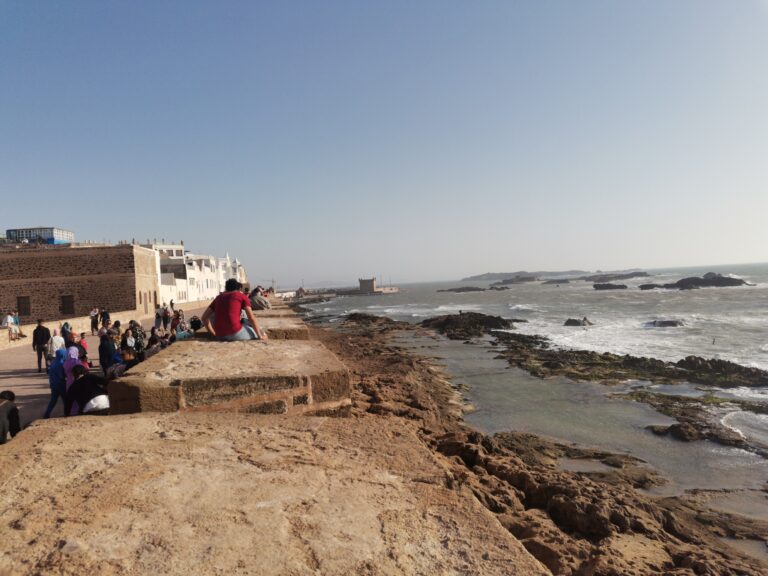
Essaouira (historically Mogador) once had a Jewish population so large that the town had dozens of synagogues, and it is now one of the best places in Morocco to understand that history.
- Bayt Dakira (“House of Memory”) and Slat Attia Synagogue: a heritage center built around the restored Slat Attia synagogue, founded in the late 19th century by Mima Attia in memory of her husband, Simon. It tells the story of Jewish life in Essaouira through objects, photographs and films. King Mohammed VI visited it in January 2020.
- Rabbi Haim Pinto Synagogue: the former home and synagogue of a revered 18th–19th century rabbi, whose tomb in the old Jewish cemetery attracts pilgrims each year.
- Slat Lkahal: the community synagogue, restored as part of the renovation of the mellah.
Essaouira’s medina is also a UNESCO World Heritage Site, and its relaxed pace makes it a good place to slow down at the end of a busy itinerary. It fits well into a private Morocco Atlantic coast tour.
Beyond the Cities: Ouazzane and the Mellahs of the South
Ouazzane and the Tomb of Rabbi Amram Ben Diwan
Near Ouazzane, in the village of Asjen, is the tomb of Rabbi Amram Ben Diwan, an 18th-century rabbi who died in 1782. It is one of the most important Jewish pilgrimage sites in Morocco. The main hiloula (pilgrimage) takes place around Lag BaOmer, usually in May, when pilgrims arrive from Israel, France, Canada and the United States. Outside pilgrimage days, access depends on the caretaker and security staff, so visits should be arranged in advance, and you should carry your passport. Ouazzane is an easy detour between Fes and Chefchaouen.
The southern kasbahs, Draa Valley and Todra
Some of Morocco’s oldest Jewish communities lived among Amazigh tribes in the south. On a desert itinerary, you can stop at:
- Tinghir: the old mellah inside the kasbah, near the Todra Gorge, made known internationally by the documentary Tinghir-Jerusalem: Echoes from the Mellah.
- Tamnougalt (El Hara): the Jewish quarter of this old ksar near Agdz in the Draa Valley, with the remains of a synagogue.
- Amezrou near Zagora: an old Jewish quarter once known for its silversmiths.
These sites are mostly ruins or partly restored houses, so a local guide makes a real difference. They fit easily into our southern Morocco private tours on the way to the Sahara.
How to Visit Jewish Heritage Sites in Morocco: Practical Tips
- Go with a local guide. Many synagogues are opened by a caretaker who holds the key, and some cemeteries and southern mellahs have no signs. A licensed guide arranges access and explains what you are seeing.
- Plan around Shabbat and Jewish holidays. Synagogues and the Casablanca museum are generally closed to tourist visits on Saturdays and on major holidays. If you observe Shabbat, we can plan the itinerary so that you do not travel on Saturdays.
- Bring small change. A donation to the caretaker or for the upkeep of the synagogue or cemetery is customary.
- Dress modestly. Cover shoulders and knees. Men may be asked to cover their heads inside synagogues; a kippah is usually provided [VERIFY].
- Carry your passport. Some sites, especially pilgrimage tombs, have security staff who may ask for identification.
- Ask before taking photos inside synagogues and of people at prayer or pilgrimage.
- Kosher food: options are limited outside Casablanca, so tell us in advance if you need kosher meals and we will discuss what can be arranged [VERIFY with owner what Chegaga Travel can offer].
When Is the Best Time for a Jewish Heritage Tour of Morocco?
Spring (March to May) and autumn (late September to November) are the most comfortable seasons for walking through medinas and driving to the desert. Summer is very hot inland, especially in Fes, Marrakech and the south, while winter is mild on the coast but cold at night in the Atlas and the Sahara.
If you want to see a hiloula, plan for the spring pilgrimage season around Lag BaOmer, and book early: hotels near pilgrimage sites fill up and roads are busier. If you prefer quiet visits, avoid those dates.
Sample 10-Day Jewish Heritage Route From Casablanca
This is an example of how the sites can be connected in one private trip. Every day can be changed to suit your pace, interests and arrival city. Driving times are approximate. For more route ideas and prices, see our guide to 10 days in Morocco: itinerary, route options and prices.
| Day | Route | Jewish heritage highlights |
|---|---|---|
| 1 | Arrive in Casablanca | Museum of Moroccan Judaism; Temple Beth-El (if a visit is arranged) |
| 2 | Casablanca – Rabat – Fes (about 4 hours of driving) | Optional stop at the Rabat mellah |
| 3 | Fes | Mellah, Ibn Danan Synagogue, Jewish cemetery, guided medina walk |
| 4 | Day trip to Ouazzane (or Meknes) | Tomb of Rabbi Amram Ben Diwan (visit arranged in advance) |
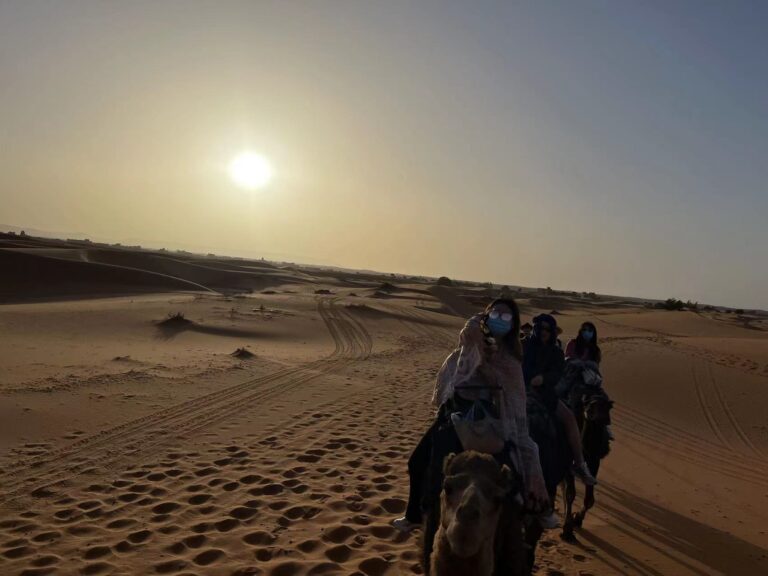
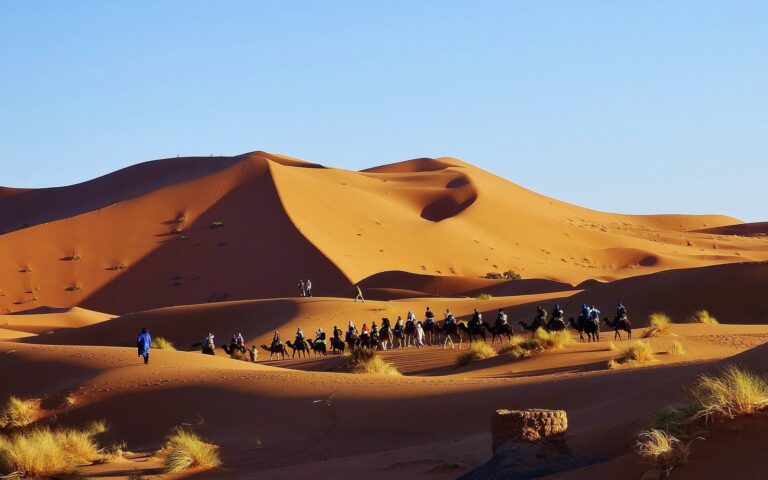
| 5 | Fes – Middle Atlas – Merzouga (about 7–8 hours) | Night in a desert camp |
| 6 | Merzouga – Tinghir – Dades Valley | Tinghir mellah and Todra Gorge |
| 7 | Dades – Ouarzazate – Aït Benhaddou | Kasbahs of the south |
| 8 | Aït Benhaddou – Marrakech (about 4 hours) | Afternoon in the Marrakech mellah, Lazama Synagogue, Miaara Cemetery |
| 9 | Marrakech – Essaouira (about 3 hours) | Bayt Dakira, Slat Attia, Rabbi Haim Pinto Synagogue |
| 10 | Essaouira – Marrakech or Casablanca airport | Departure |
Prefer to start in the north? We also build itineraries from Tangier, with Chefchaouen and Ouazzane on the way to Fes. See our tailor-made Morocco tours from Tangier.
Planning a Private Jewish Heritage Tour With Chegaga Travel
We are a Marrakech-based agency that organizes private, tailor-made tours only, for a minimum of two travelers. On a Jewish heritage trip, that means:
- Your own private driver and comfortable vehicle for the whole trip, so you can stop at small mellahs and kasbahs on the way.
- Licensed local guides in the cities who arrange access to synagogues and cemeteries and explain the history.
- An itinerary built around your interests: family roots in a specific city, Shabbat without travel, a pilgrimage date, or Jewish heritage combined with the Sahara, the Atlas Mountains and the imperial cities.
Our private tours start from US$272 per person per day, based on two travelers. The final price depends on the length of the trip, your hotel level and the experiences you choose. If you want to explore the wider cultural side of the country too, see our cultural tours of Morocco and our private imperial cities tour. You can also read why we work with local guides on Morocco tours.


Frequently Asked Questions
Is Morocco safe for Jewish travelers?
Many Jewish travelers visit Morocco every year, and the main synagogues, museums and cemeteries welcome visitors, often with security staff on site. As anywhere, it is wise to follow your government’s current travel advice, stay discreet in crowded places and visit lesser-known sites with a local guide.
Can I visit synagogues in Morocco as a tourist?
Yes. Synagogues such as Ibn Danan in Fes, Lazama in Marrakech and Slat Attia in Essaouira are open to visitors, usually through a caretaker. A small donation is customary. Most are closed to tourist visits on Saturdays and Jewish holidays, so plan these visits for other days of the week.
How many days do I need for a Jewish heritage tour of Morocco?
Plan at least 7 days to see Casablanca, Fes and Marrakech without rushing. With 10 to 14 days, you can add Essaouira, Ouazzane and the old mellahs of the south, and combine them with a night in the Sahara Desert and time in the Atlas Mountains.
Can kosher food be arranged in Morocco?
Casablanca has the most options for kosher food. In other cities, choices are limited, so it is important to tell us about kosher requirements when you request your itinerary, so we can discuss what is realistic for each stop on your route.
Can I trace my family’s roots in a Moroccan town?
If you know the town your family came from, we can include it in your itinerary and arrange a local guide to show you the mellah, cemetery or synagogue where they existed. Records are not always available, so it helps to bring family names, dates and photos.
Request Your Private Jewish Heritage Itinerary
Tell us which cities matter most to you, how many days you have and how you like to travel, and we will send you a free personalized itinerary and quote. There is no obligation, and we are happy to adjust the plan until it feels right.
Request your free personalized itinerary
📅 Last updated: