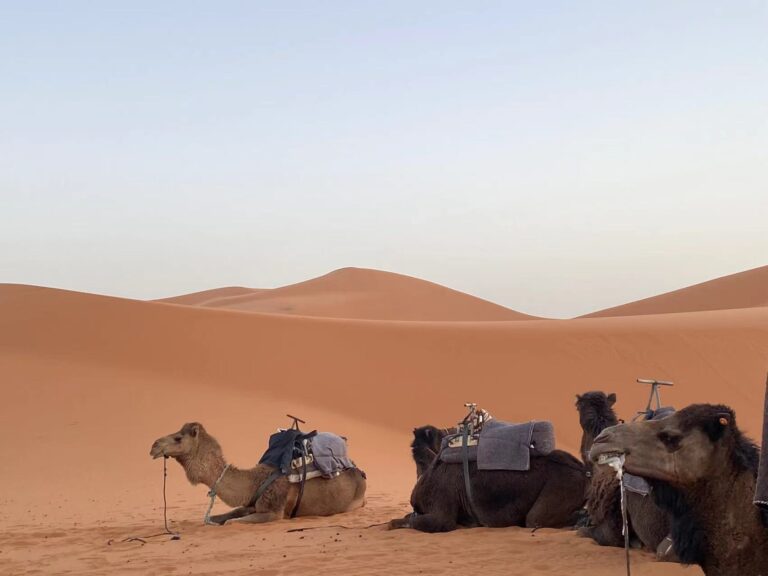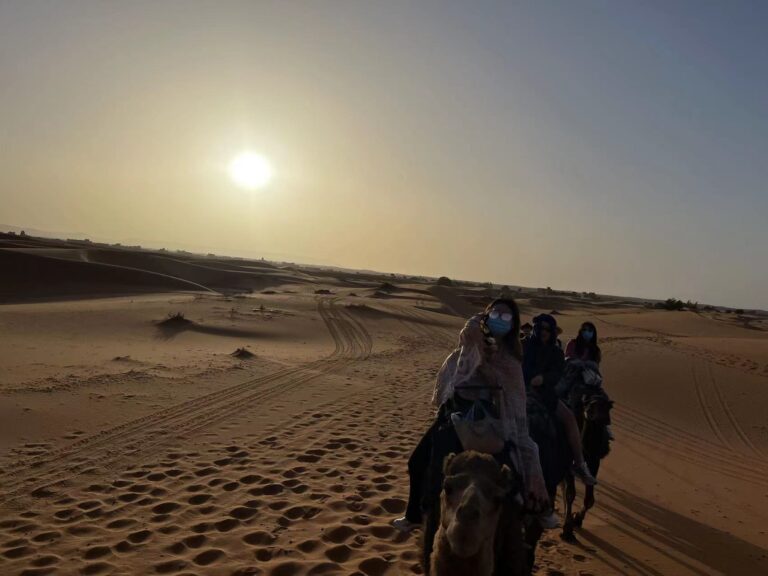
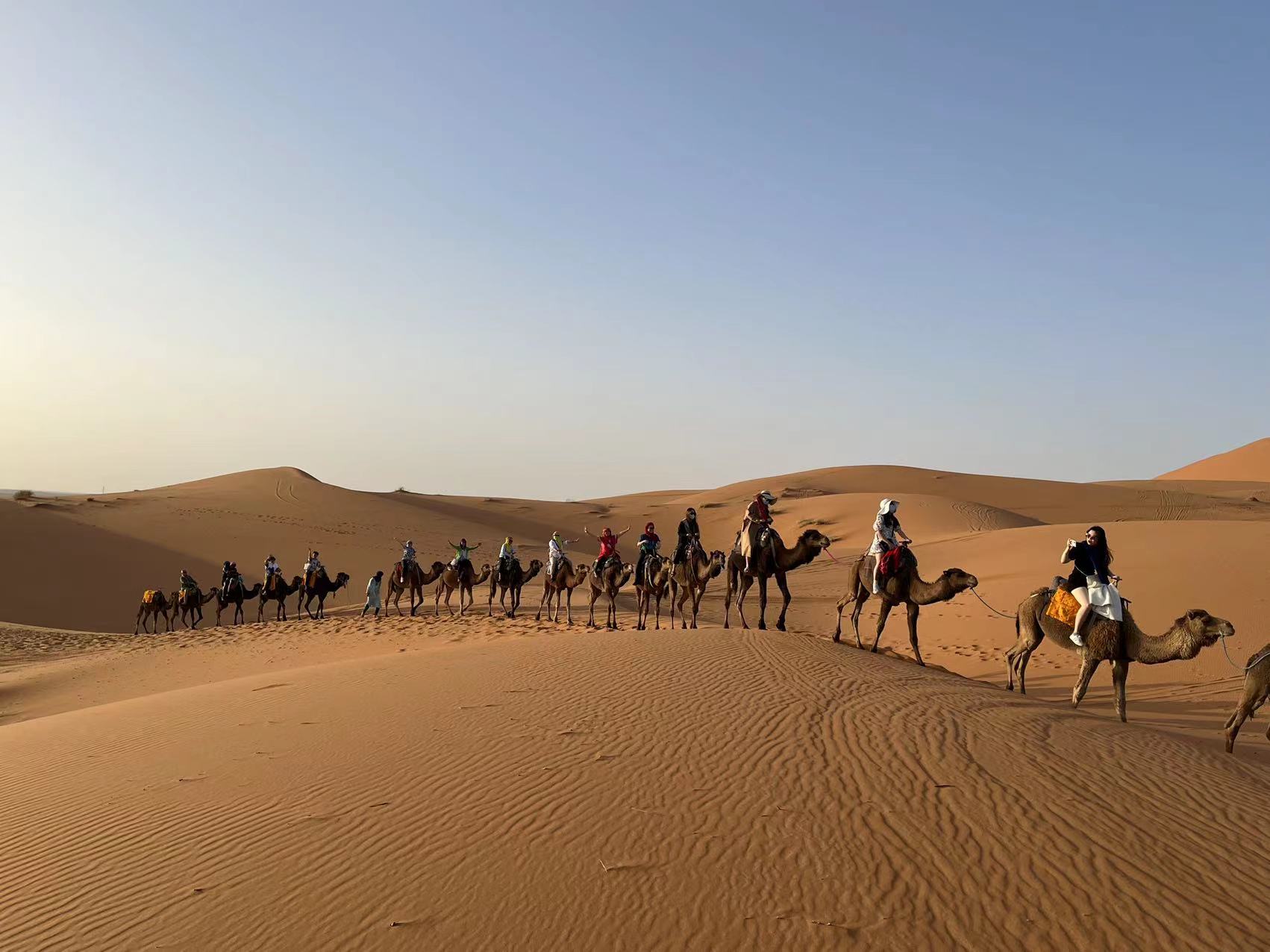
Camel Riding FAQ: Answers to the Most Common Questions
Camel Riding FAQ: Answers to the Most Common Questions
If you are planning a trip to Morocco and considering a desert adventure, you probably have a long list of questions about riding camels. How difficult is it? Will it hurt? Is it safe for kids? How much does it cost?
This camel riding FAQ pulls together the most common questions travelers ask before booking a camel ride, with straightforward answers based on real experience. For deeper reading on specific topics, we link to detailed guides on technique, safety, clothing, and practical tips throughout.

Is Camel Riding Difficult?
Not at all. Riding camels is beginner-friendly, and the vast majority of tourists who try it have zero prior experience. Dromedaries – the one hump camel used across Morocco, Egypt, Dubai, Jordan, and Australia – walk at a leisurely pace of about 5–6 km/h. The swaying gait feels unusual at first, but most riders adjust within 10–15 minutes.
The motion is different from riding a horse. You grip firmly with your hands and sway with the camel’s rhythm rather than posting or bouncing. Camels are gentle, domesticated animals with remarkable endurance, and your guide leads your own camel the entire time. For a full breakdown of posture and technique, read our guide on How to Ride a Camel.
Is Camel Riding Safe?
Yes. Professionally guided camel rides are generally very safe. Experienced handlers select calm animals, check equipment before each ride, and walk beside riders throughout the trek. The main safety risks – sun exposure, dehydration, and minor soreness – are manageable with proper preparation. Riders with back or neck problems should consult a healthcare provider before riding. For a deeper look at risks and precautions, see our dedicated guide: Is Camel Riding Safe?
What Should I Wear for Camel Riding?
Keep it simple and practical:
- Wear long, loose trousers to prevent chafing against the saddle
- Closed-toe shoes – sneakers or lightweight boots – provide better protection and grip during camel rides
- A head covering is essential to protect against sun and dust, especially on windy days
- High-SPF sunscreen and sunglasses for daytime and sunset rides
- Layers if riding in winter or early morning when desert temperatures drop
Our complete checklist is in the What to Wear for Camel Riding guide.
How Long Does a Camel Ride Last?
Duration depends on the experience you choose:
- 30 minutes – a quick introduction, common near Marrakech’s Palmeraie or the Agafay desert
- 1 hour – a beach ride in Essaouira or a palm grove loop, enough to get comfortable
- Sunset rides (1–1.5 hours) – the most popular option, timed to reach the dunes as the light turns golden
- Overnight treks – ride to a desert camp, enjoy dinner, sleep under the stars, then ride back at sunrise
- Multi day treks (2–5 days) – follow ancient caravan routes with 4–5 hours of walking and riding per day; an adult camel can travel up to 25 miles a day, though tourist treks cover far less
Short rides suit families and first-timers. Longer expeditions appeal to travelers with more time and reasonable fitness.
How Much Does Camel Riding Cost in Morocco?
Prices vary by location, duration, and whether the ride is standalone or part of a camel riding tour package:
| Experience | Typical Cost (per person) |
|---|---|
| Short ride (30–60 min) near Marrakech | €8–22 (~150–250 MAD) |
| Sunset camel ride, Merzouga or Agafay | €25–50 (~250–450 MAD) |
| Overnight camp with sunset + sunrise rides | €80–150 (~800–1,500 MAD) |
| Multi-day expedition (per day) | €180–400 (~1,500–4,000 MAD) |
Bundled tour packages from tour operators typically include transport, a guide, food, and camp accommodation. Standalone rides usually cover only the rider and guide. Some operators offer camel rides with a full refund if weather forces cancellation. For exact quotes, check our Morocco Camel Riding Tours page or contact us directly.
Can Children Ride Camels?
Yes. Most operators accept kids aged four and up. Young children typically share one camel with a parent, sitting in front while the guide walks alongside. Solo rides are usually allowed from around age six to eight, depending on the child’s confidence and size.
Short rides of 30–60 minutes work best for a family with younger kids. Schedule rides during cooler hours, bring plenty of water, and make sure children have sun protection. For family-friendly itinerary ideas, browse our Family Morocco Tours.
Can Seniors Ride Camels?
Of course. Age itself is not a limitation – mobility and flexibility are what matter. Seniors who can comfortably mount and dismount (with guide assistance) will do fine on shorter rides over flat terrain. Those with hip, knee, or lower-back issues should choose rides under one hour and request padded saddles. The key is to match the ride length and terrain to your comfort level, not to skip the experience altogether.
Can Pregnant Women Ride Camels?
This is best discussed with your doctor. Camels stand up and sit down abruptly by unfolding their legs sequentially, which creates a significant jolt. Combined with the rocking gait and desert heat, most operators and medical guidelines recommend caution, particularly during later stages of pregnancy. Read more in our Is Camel Riding Safe? guide.

Do Camels Bite?
Biting is uncommon. Camels are large animals, but well-trained riding camels are generally calm around humans. Incidents usually happen when a camel is stressed, teased, or approached from directly in front of its head. Unlike dogs, camels are more likely to grumble or spit than bite. Guide supervision keeps interactions safe – simply follow your handler’s instructions and avoid sudden movements near the animal’s mouth.
How Much Weight Can a Camel Carry?
A healthy adult dromedary is a powerful beast of burden. Camels can carry up to 1,300 pounds on their backs in caravan conditions. However, responsible operators enforce a weight limit well below that maximum – typically around 100–120 kg per rider – to protect the camel’s spine and joints over repeated daily use.
If you are near or above a stated weight limit, contact the operator in advance. Options may include shorter rides, walking part of the route, or choosing a larger camel in good condition. Animal welfare depends on these limits being respected. The ABTA Global Welfare Guidelines provide a useful reference for what ethical operators follow.
Are Camel Rides Ethical?
They can be – but not all operators are equal. Choosing a reputable operator ensures a safer and more ethical riding experience. There are no strict animal welfare laws in many camel riding countries, which means the responsibility often falls on individual businesses and informed tourists.
Signs of an ethical operator:
- Camels have firm, upright humps, alert eyes, no visible sores or injuries
- Working hours are limited (no more than 1.5–2 hours per session, with rest and shade)
- Clean water and proper food are provided daily
- Saddles are well-fitted and regularly maintained
- Guides handle animals calmly – no hitting, no shouting
For context, PETA reported camels being beaten in Egypt in 2018, drawing global attention to the issue. Unlike attractions involving elephants in Southeast Asia, camel trekking in Morocco has a centuries-old cultural foundation – but that heritage only matters when paired with genuine care. Ethical operators treat their animals as partners, not props.
Will Camel Riding Hurt?
Some soreness in the inner thighs, hips, and lower back is normal for beginners, especially on rides longer than an hour. Camel riding can cause physical discomfort to riders during longer excursions because of the constant rocking motion and the width of the saddle.
To reduce discomfort:
- Wear long pants to minimize chafing
- Relax your body and move with the camel rather than tensing up
- Take a short ride first before committing to a half-day trek
- Stretch lightly before and after
More comfort tips are in our Camel Riding Tips guide.
Can You Fall Off a Camel?
It is possible but uncommon. Camel riding places a rider 7 to 9 feet off the ground, so the height can feel intimidating at first. The riskiest moment is during mounting and dismounting, when the camel unfolds its front legs and rear legs in sequence and the rider is pitched forward or backward.
Riders should follow the handler’s cues during mounting and dismounting – lean back when the camel rises, hold the saddle bar firmly, and stay calm. Once the camel is standing and walking, falls are extremely rare.
What Is the Best Time of Day for Camel Riding?
Camel rides often occur in arid environments with high temperatures, so timing matters:
- Sunrise – cool air, soft golden light, quiet dunes. Ideal for pictures and a peaceful start
- Sunset – the most popular choice; warm colors over the sand make for amazing photography. Slightly warmer than sunrise
- Midday – generally avoided in summer when temperatures can exceed 44°C. Both rider and camel suffer in extreme heat
If you enjoy nature photography, bring a camera attached with a lanyard to prevent drops from the height of the saddle.
What Is the Best Time of Year?
- Spring (March–May) – warm days, cool nights, wildflowers in some areas. The sweet spot
- Autumn (October–November) – similar comfort, fewer crowds than spring, excellent light
- Winter (December–February) – clear skies and very few tourists, but desert nights drop to 2–4°C. Pack layers
- Summer (June–August) – hot. Rides are limited to early morning and late afternoon. Only plan a summer camel tour if you handle heat well
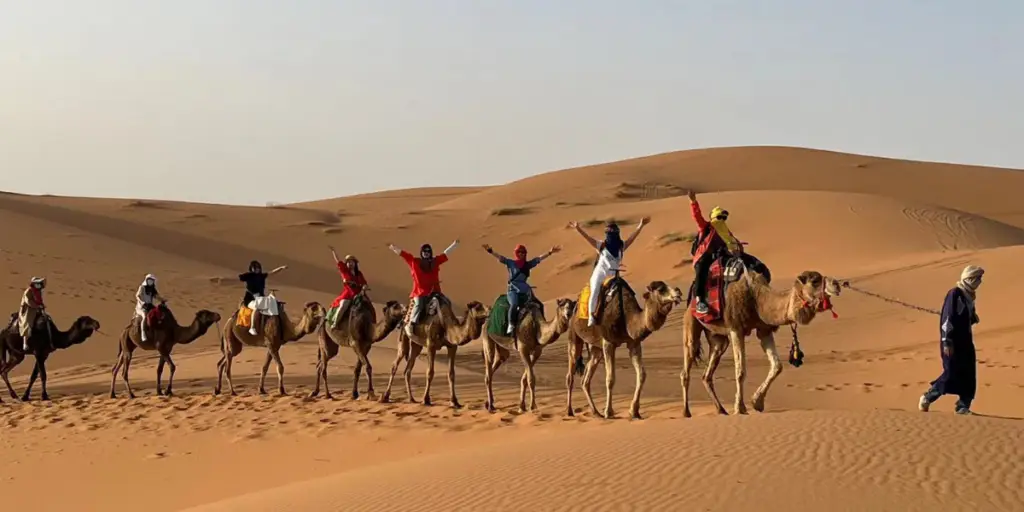
Merzouga or Erg Chegaga?
Both are spectacular, but the experience is different:
- Merzouga (Erg Chebbi) – towering golden dunes, well-developed infrastructure, more camp options, easier access. A classic Sahara sight and great for first-timers
- Erg Chegaga – more remote and wild, fewer tourists, darker night skies, requires 4×4 access. Appeals to travelers seeking solitude and a raw desert feel
For a detailed side-by-side breakdown, read our Merzouga Morocco Travel Guide. Popular camel riding destinations beyond Morocco include Jordan – where Petra and Wadi Rum are top camel trekking sites – as well as the Middle East and even Los Cabos, Mexico, where camel riding experiences are now available along the coast.
Are Camel Rides Worth It?
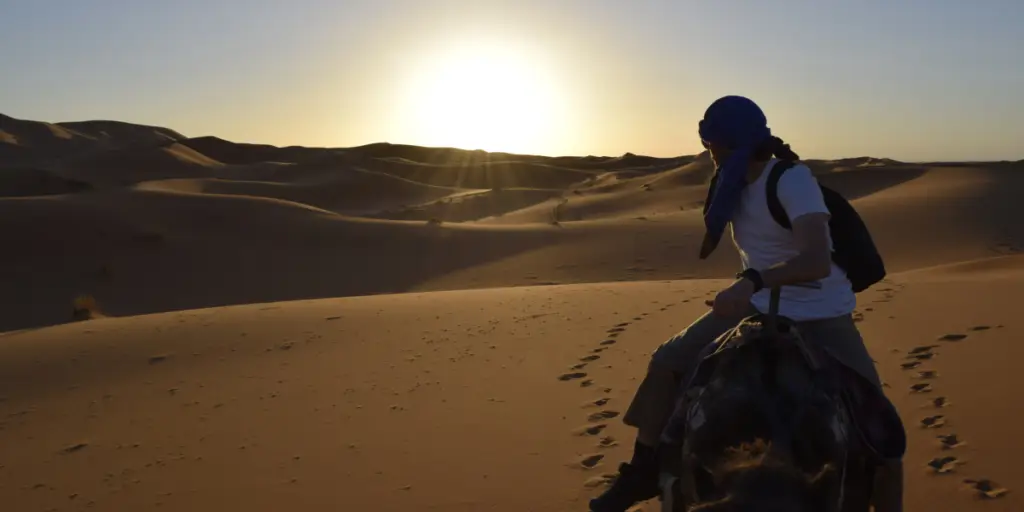
Absolutely. Ask any traveler who has crossed the dunes at sunset and the answer is almost always the same: it was a trip highlight. The combination of vast desert beauty, the rhythmic walking pace, the silence broken only by sand shifting underfoot – it is a real experience that photographs and videos cannot fully capture.
Camels have been central to Sahara desert life for centuries. They can lose 25% of their body fluids before dehydration – a crazy level of resilience that allowed them to carry trade goods, milk, and food across some of the harshest terrain on earth. Riding one, even for an hour, connects you to that history. It is fun, it is memorable, and it is unlike anything else you will do on your trip.
Can I Ride a Camel If I’ve Never Done It Before?
Yes – and you will be in good company. Nearly every person who books a camel ride in Morocco is a complete beginner. Camel riding for beginners includes basic safety, preparation, and animal care briefings before you even mount. Guides are used to working with first-time riders, so there is nothing crazy or intimidating about the process. You do not need to be an experienced rider or athlete.
Do I Need Special Equipment?
No special equipment is required. The operator provides the camel, saddle, and all riding gear. You just need:
- Comfortable clothing (long pants, layers as needed)
- Water – hydration is important during camel rides in hot, dry environments
- Sunscreen and sunglasses
- A cell phone or camera secured with a strap so your phone does not end up in the sand
You can keep a small daypack with you on the camel. For a full packing checklist, visit our What to Wear for Camel Riding guide.
Final Thoughts
This camel riding FAQ covered the essentials – from difficulty and safety to cost, ethics, and what to wear. Whether you plan a short sunset ride or a multi-day Sahara desert expedition, the key is choosing an operator you trust, dressing practically, and matching the ride length to your comfort level.
For deeper reading, explore our detailed guides on How to Ride a Camel, Camel Riding Tips, and Is Camel Riding Safe?, If you’re planning a Sahara adventure, explore our Morocco Camel Riding experiences to discover sunset camel rides, overnight desert camps, and private camel trekking tours across the Moroccan Sahara. When you are ready to turn these answers into a real desert adventure, browse our Private Morocco Desert Tours or get in touch with Chegaga Travel to design a camel riding experience built around your dates, group size, and interests.
Ready to Plan Your Perfect Morocco Desert Experience?
Not sure whether Merzouga or Erg Chegaga is the right choice for your trip? Tell us your travel dates, starting city, preferred pace, and interests, and we’ll help you design a private Morocco itinerary around the Sahara experience you want.