UNESCO World Heritage Sites in Morocco: The Complete List
Morocco has nine UNESCO World Heritage Sites, and all nine are cultural: the medinas of Fez, Marrakech, Tetouan and Essaouira, the Ksar of Aït Benhaddou, the historic city of Meknes, the Roman ruins of Volubilis, the Portuguese city of Mazagan (El Jadida), and Rabat. Fez was the first, inscribed in 1981, and Rabat the most recent, in 2012.
This guide lists every site with what you will actually see there, where each one sits on a map of Morocco, and how to visit several of them on one private trip without spending your holiday in transit.
The Complete List of UNESCO World Heritage Sites in Morocco
Here are all nine sites in order of inscription, with the nearest base for visiting each one.
| # | Site (official UNESCO name) | Year inscribed | Region / best base |
|---|---|---|---|
| 1 | Medina of Fez | 1981 | Fez |
| 2 | Medina of Marrakesh | 1985 | Marrakech |
| 3 | Ksar of Ait-Ben-Haddou | 1987 | Ouarzazate / Aït Benhaddou |
| 4 | Historic City of Meknes | 1996 | Meknes or Fez |
| 5 | Archaeological Site of Volubilis | 1997 | Meknes or Fez |
| 6 | Medina of Tétouan (formerly known as Titawin) | 1997 | Tetouan, Tangier or Chefchaouen |
| 7 | Medina of Essaouira (formerly Mogador) | 2001 | Essaouira |
| 8 | Portuguese City of Mazagan (El Jadida) | 2004 | El Jadida or Casablanca |
| 9 | Rabat, Modern Capital and Historic City: a Shared Heritage | 2012 | Rabat |
Morocco also keeps a longer tentative list of places that may be nominated in the future, including Moulay Idriss Zerhoun near Volubilis. You can check the official, up-to-date list on the UNESCO World Heritage Centre page for Morocco.
1. Medina of Fez (1981)
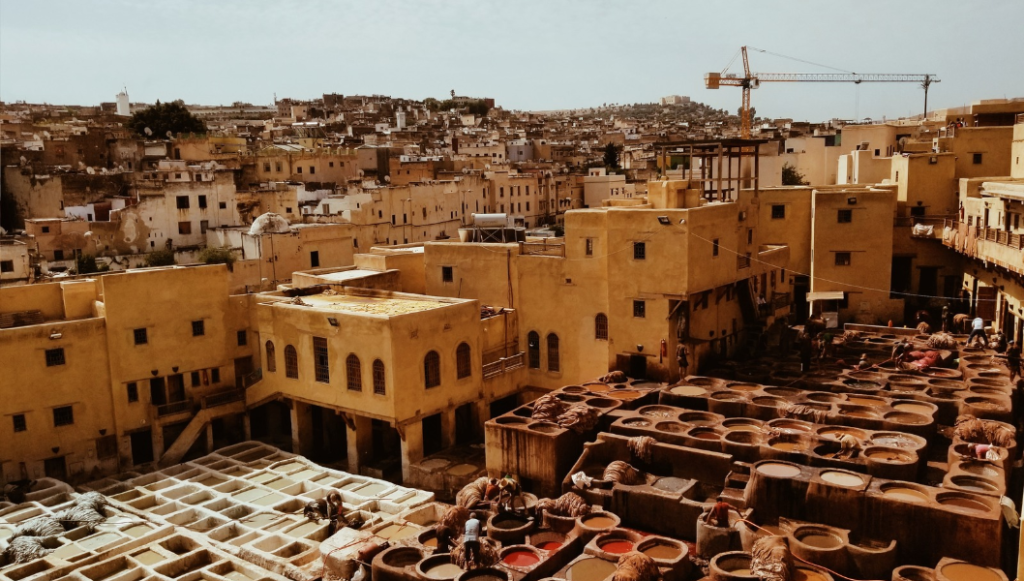
Fez el-Bali is the oldest walled part of Fez and one of the largest car-free urban areas in the world. It was founded in the 9th century and grew into a center of learning, trade and craftsmanship.
What to see:
- Al-Qarawiyyin, founded in 859 and often described as one of the oldest continuously operating places of learning in the world. Non-Muslims can look in from the doorways but not enter the mosque.
- The Bou Inania and Al-Attarine madrasas, with carved cedar, stucco and zellige tilework.
- The Chouara tannery, viewed from the leather shops’ terraces above the dye pits.
- Specialized craft quarters for brass, wood and weaving that still work much as they did centuries ago.
Practical tip: the medina has more than 9,000 lanes and GPS is unreliable inside. A licensed local guide for your first half day saves a lot of time and lets you focus on what interests you, from architecture to food. Our Fes medina walking tour can be added to any private itinerary.
2. Medina of Marrakech (1985)
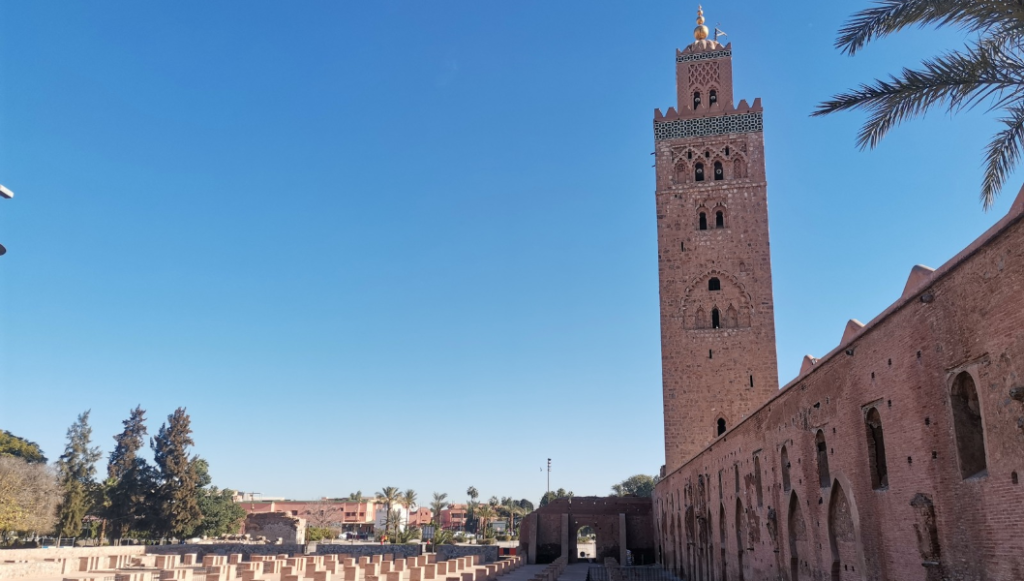
The Marrakech medina was founded by the Almoravid dynasty around 1070 and became one of the great imperial capitals of the western Islamic world. Its red ramparts and gates still enclose the old city.
What to see:
- Koutoubia Mosque and its 12th-century Almohad minaret, the city’s main landmark.
- Jemaa el-Fna square, whose storytellers, musicians and food stalls are also recognized separately by UNESCO as intangible cultural heritage.
- The Saadian Tombs, Bahia Palace and Ben Youssef Madrasa.
- The souks, organized by trade: leather, spices, metalwork, textiles.
Practical tip: Marrakech is the most common starting point for private tours to the south and the Sahara. Two full days is a comfortable minimum. See our guided Marrakech medina tour.
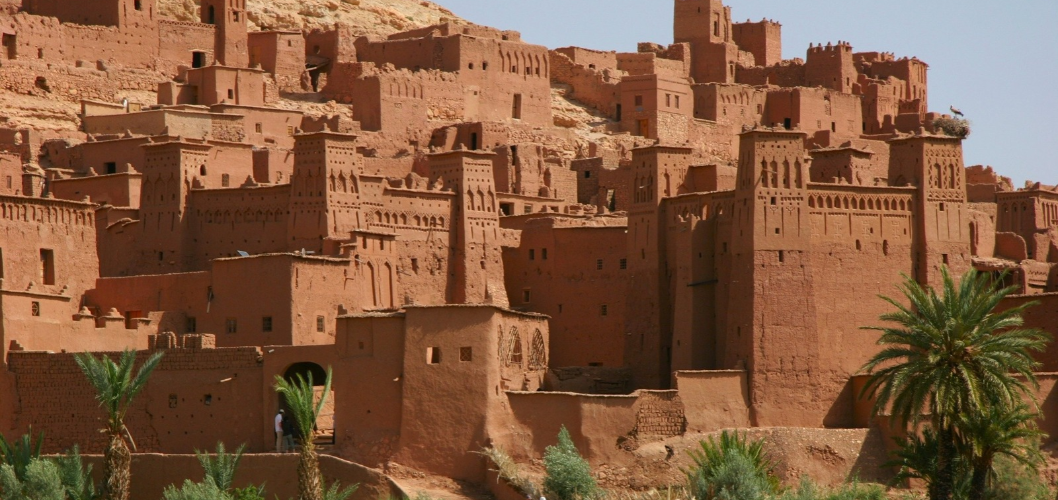
3. Ksar of Aït Benhaddou (1987)
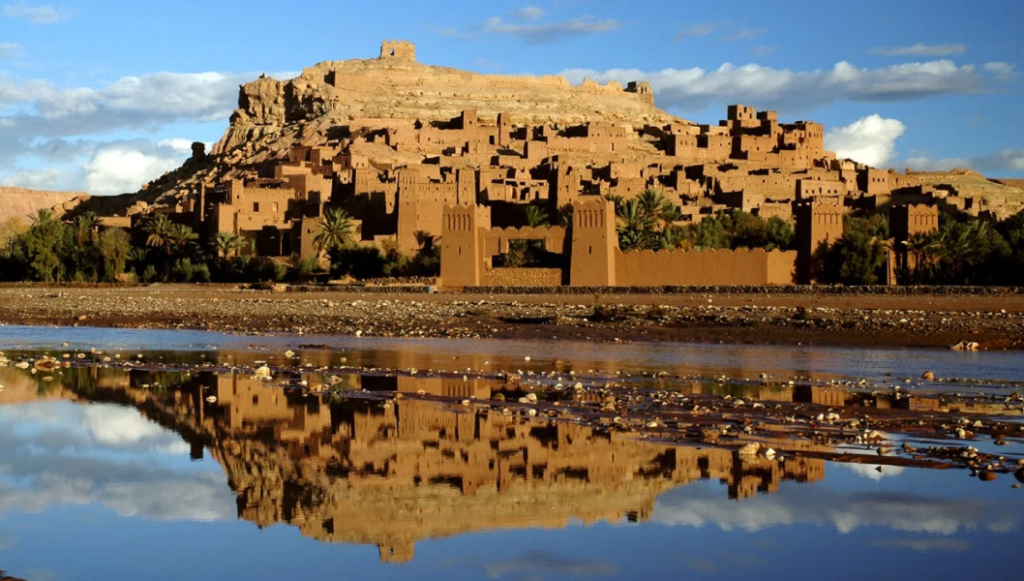
Aït Benhaddou is a fortified village (ksar) of earthen houses and kasbahs stacked on a hillside above the Ounila River. It sat on the old caravan route between the Sahara and Marrakech and is one of the best-preserved examples of southern Moroccan earthen architecture.
It has also been used as a filming location for many international films and series, which is why the nearby town of Ouarzazate has large film studios.
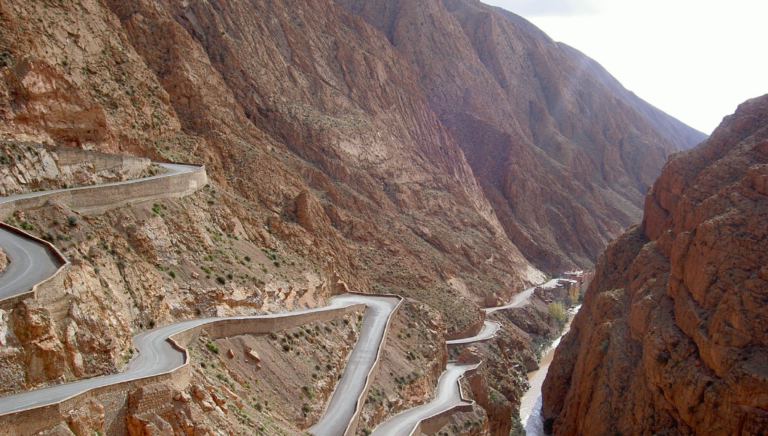
How to fit it in: Aït Benhaddou is about 3.5–4 hours’ drive from Marrakech over the Tizi n’Tichka pass in the High Atlas. Most travelers see it on the first day of a desert trip, on the way to the Dades Valley, Merzouga or Erg Chegaga, rather than as a long round trip from Marrakech. Go early morning or late afternoon for softer light and fewer people. More details: Aït Benhaddou and Ouarzazate film studio tour.
4. Historic City of Meknes (1996)
Meknes was the capital of Sultan Moulay Ismail in the late 17th and early 18th century, who surrounded it with long walls and monumental gates.
What to see:
- Bab Mansour, one of the most decorated gates in Morocco.
- The Mausoleum of Moulay Ismail (check opening status before you go).
- Heri es-Souani, the huge royal granaries and stables.
- A medina that is calmer and easier to walk than those of Fez or Marrakech.
How to fit it in: Meknes is about one hour from Fez, so it pairs naturally with Volubilis as one day between Rabat and Fez.
5. Archaeological Site of Volubilis (1997)
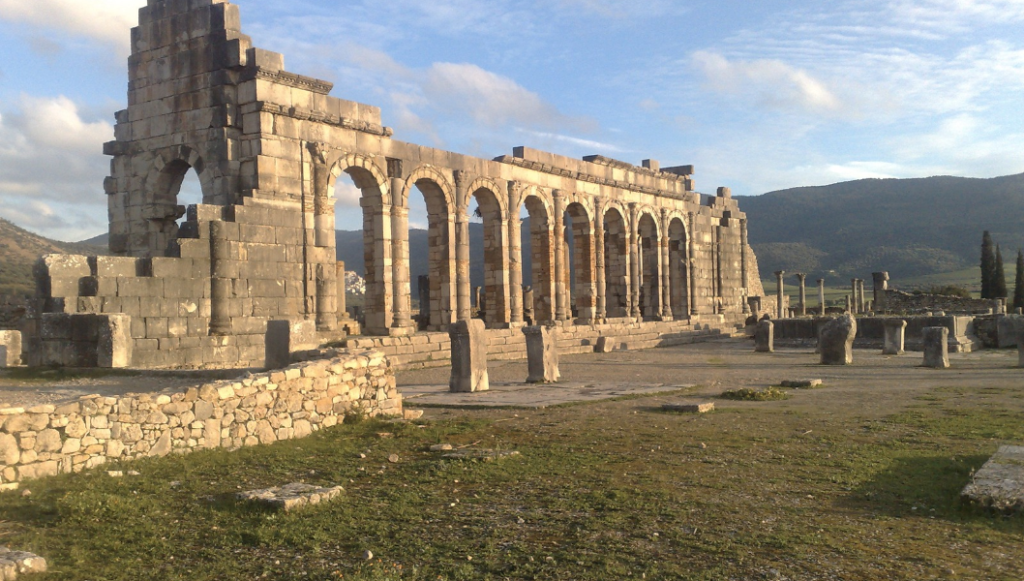
Volubilis is the best-preserved Roman site in Morocco. It was an important town of the kingdom of Mauretania and later a Roman outpost, with remains of a basilica, a triumphal arch and houses with mosaic floors still in place.
Practical tip: the site is open and exposed, with almost no shade. In summer, visit at opening time, bring a hat and water, and allow 1.5–2 hours with a guide. Volubilis is roughly 30–45 minutes from Meknes, close to the hilltop town of Moulay Idriss Zerhoun.
6. Medina of Tetouan (1997)
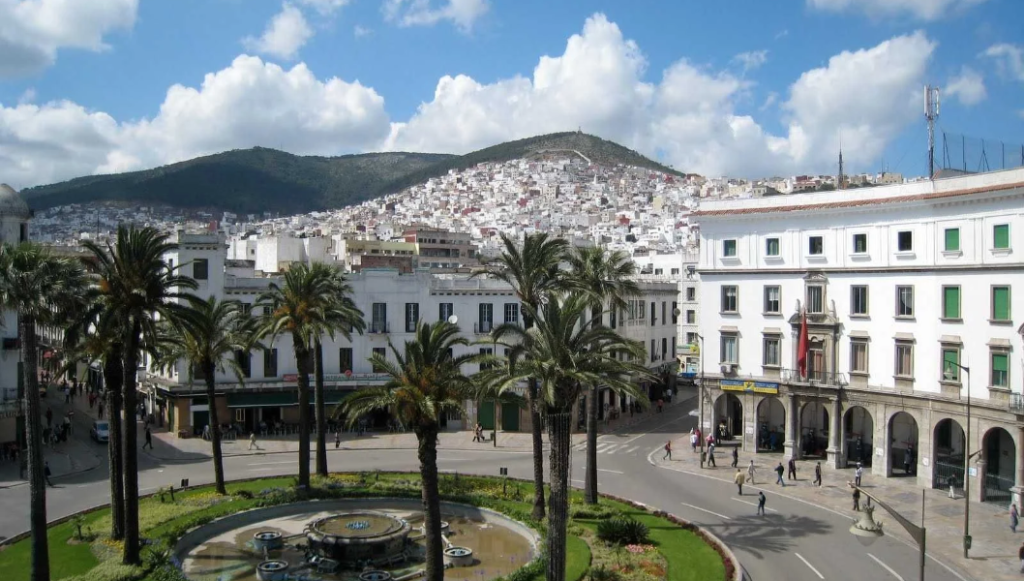
Tetouan’s medina was largely rebuilt by Andalusian refugees from Spain at the end of the 15th century, and its white houses, Andalusian-style architecture and craft traditions reflect that history. It is one of the most complete small medinas in Morocco and far less visited than Fez or Marrakech.
How to fit it in: Tetouan is about an hour from Tangier and on the way to Chefchaouen, so it fits well on a tour starting in Tangier. See our Morocco tours from Tangier.
7. Medina of Essaouira (2001)
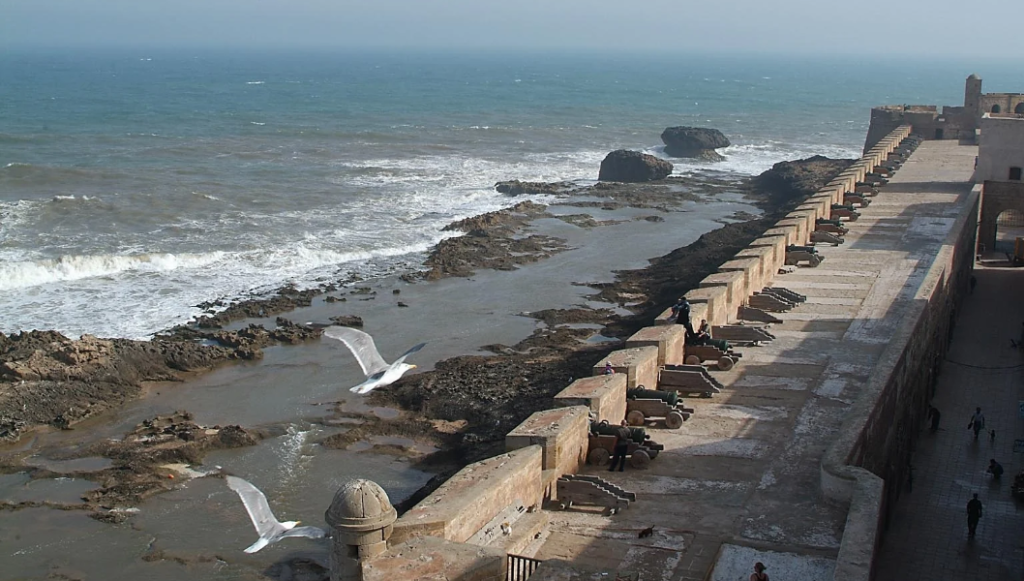
Essaouira is a fortified port town on the Atlantic coast, laid out in the 18th century by Sultan Sidi Mohammed ben Abdallah with the help of a European engineer, which explains its regular street plan and sea ramparts (the Skala). Its old name was Mogador.
What travelers like: a relaxed medina, the working fishing port, the ramparts at sunset, and woodwork from local thuya wood. It is often windy, so bring a light jacket even in summer.
How to fit it in: Essaouira is about 2.5–3 hours from Marrakech. It works best as one or two nights at the end of a trip rather than a day trip.
8. Portuguese City of Mazagan, El Jadida (2004)
The Portuguese built this fortified city on the Atlantic coast in the early 16th century, and it remained Portuguese until 1769. Its star-shaped ramparts and especially its underground Portuguese Cistern, with columns reflected in a thin layer of water, are the highlights.
How to fit it in: El Jadida is about 1–1.5 hours south of Casablanca. It is an easy stop on a coastal route between Casablanca and Essaouira or Marrakech. See our Morocco Atlantic coast private tour.
9. Rabat, Modern Capital and Historic City (2012)
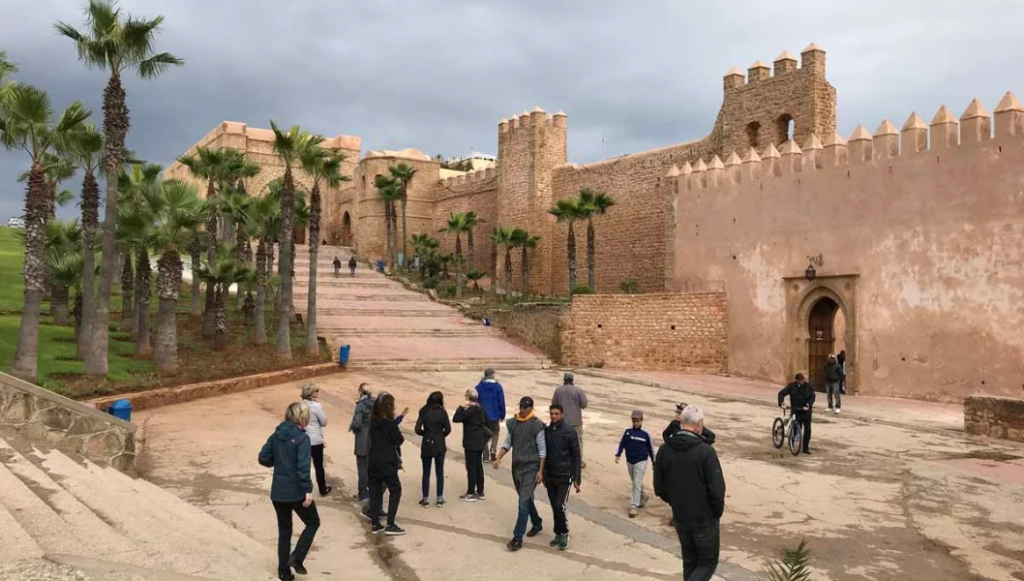
Rabat is listed for both its historic sites and the modern city planned in the early 20th century. Together they show how the old and the new capital were built side by side.
What to see:
- Kasbah of the Udayas, with blue-and-white lanes above the river mouth.
- Hassan Tower and the Mausoleum of Mohammed V.
- Chellah, a site with Roman ruins and a medieval necropolis.
- The early 20th-century European-style city center around Avenue Mohammed V.
How to fit it in: Rabat is about 1–1.5 hours from Casablanca, so many private tours that start in Casablanca visit Rabat on day one or two before continuing to Meknes and Fez.
Which Famous Moroccan Places Are Not UNESCO World Heritage Sites?
Several of Morocco’s most visited places are not on the World Heritage List, even though travel sites often say they are:
- Chefchaouen is not a World Heritage Site.
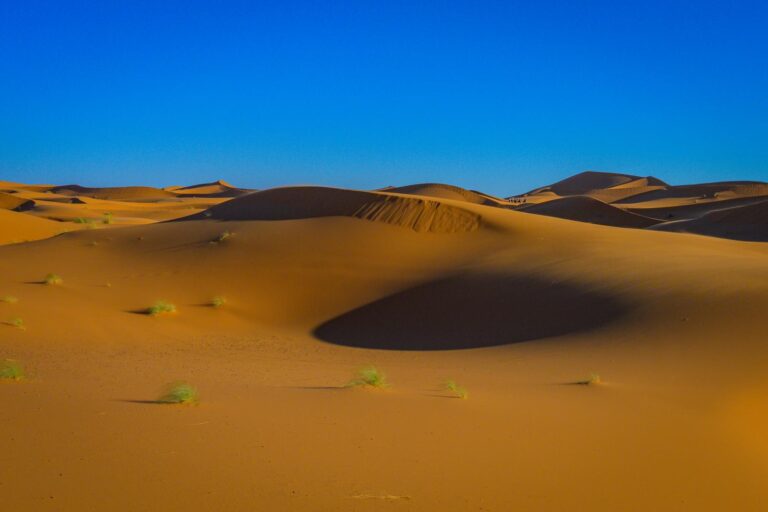
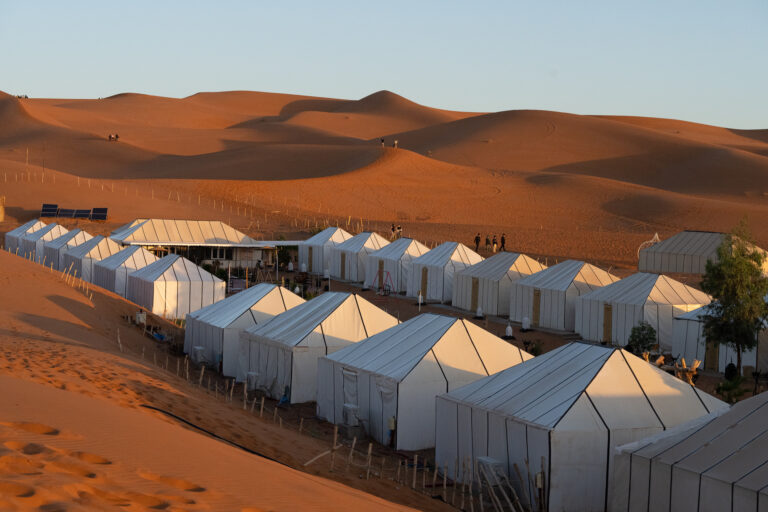
- The Sahara Desert (Merzouga / Erg Chebbi and Erg Chegaga) is not a World Heritage Site.
- The High Atlas and Toubkal are not on the list.
- The Arganeraie (argan forest region) is a UNESCO Biosphere Reserve, which is a different program from World Heritage.
Morocco also has many entries on UNESCO’s intangible cultural heritage lists, such as the cultural space of Jemaa el-Fna square. Those are traditions, not places, and are not part of the nine World Heritage Sites.
Can You Visit All Nine UNESCO Sites in One Trip?
Yes, but it takes about 12–14 days to see all nine comfortably, because they are spread from the Mediterranean coast (Tetouan) to the edge of the Sahara (Aït Benhaddou). Most travelers choose 6–8 sites that fit their route and season.
Realistic routes:
| Trip length | Route idea | UNESCO sites included |
|---|---|---|
| 7–8 days | Casablanca – Rabat – Meknes – Volubilis – Fez – Sahara – Aït Benhaddou – Marrakech | Rabat, Meknes, Volubilis, Fez, Aït Benhaddou, Marrakech (6) |
| 10 days | Same route + Essaouira at the end | 7 sites |
| 12–14 days | Tangier – Tetouan – Chefchaouen – Volubilis – Meknes – Fez – Sahara – Aït Benhaddou – Marrakech – Essaouira – El Jadida – Casablanca – Rabat | All 9 |
For ready-made starting points, see our private tour of Morocco’s imperial cities and our 14-day Morocco itinerary from Casablanca, which we can adjust to include the UNESCO sites you care about most.
Tips for Visiting Morocco’s UNESCO Sites
- Best seasons: spring (March–May) and autumn (September–November) are the most comfortable for walking medinas and open sites like Volubilis. Summer is very hot inland; winter is cool, and the Tizi n’Tichka pass to Aït Benhaddou can occasionally close with snow.
- Use local guides in the medinas: the history of these sites is not always visible from the street. A licensed guide explains what you are looking at and gets you around efficiently.
- Dress modestly: covered shoulders and knees are respectful in the medinas and at religious sites.
- Entrance fees: monuments such as madrasas, palaces, Volubilis and the Portuguese Cistern charge separate entry tickets, usually modest, paid on site.
- Fridays: some shops in the souks close around midday prayers, so plan market time for other days.
Seeing Morocco’s UNESCO Sites on a Private Tailor-Made Tour
Because the nine sites are spread over hundreds of miles, a private driver makes the biggest difference: you leave when you want, stop at viewpoints or villages along the way, and don’t lose time with transfers between cities.
With Chegaga Travel, every tour is private (minimum two travelers) and built around your interests. Our tours include a private driver and vehicle for the whole trip, accommodation, daily breakfast and licensed local guides in the cities and at Aït Benhaddou. Monument entrance fees are not included. Private tours start from US$272 per person per day, based on two travelers.
Read more about how we work in our guide to traveling Morocco with a private driver and touring Morocco with local guides.


Frequently Asked Questions
How many UNESCO World Heritage Sites are in Morocco?
Morocco has nine UNESCO World Heritage Sites, all cultural: the medinas of Fez, Marrakech, Tetouan and Essaouira, the Ksar of Aït Benhaddou, the historic city of Meknes, Volubilis, the Portuguese city of Mazagan (El Jadida), and Rabat. There are currently no natural World Heritage Sites in Morocco.
What was the first UNESCO site in Morocco?
The Medina of Fez was Morocco’s first World Heritage Site, inscribed in 1981. It is one of the best-preserved medieval Islamic cities in the world and is home to Al-Qarawiyyin, founded in 859. Plan at least two full days in Fez to explore the medina and visit Meknes and Volubilis nearby.
Is Chefchaouen a UNESCO World Heritage Site?
No. Chefchaouen, the “blue city” in the Rif Mountains, is not on the World Heritage List, although it is one of Morocco’s most popular towns. It is easy to combine with the UNESCO-listed medina of Tetouan, about an hour away, on a route between Tangier and Fez.
Which UNESCO sites can I visit from Marrakech?
From Marrakech you can visit the Marrakech medina itself, Aït Benhaddou (about 3.5–4 hours away, best seen on the way to the Sahara) and Essaouira (about 2.5–3 hours). Fez, Meknes, Volubilis and Rabat are better reached on a multi-day route rather than as day trips.
How many days do I need to see Morocco’s UNESCO sites?
A 7–8 day private tour can include six sites: Rabat, Meknes, Volubilis, Fez, Aït Benhaddou and Marrakech. Adding Essaouira needs about 10 days, and seeing all nine, including Tetouan and El Jadida, is comfortable in 12–14 days.
Plan Your UNESCO Heritage Trip in Morocco
Tell us which sites interest you most, how many days you have and when you’d like to travel, and we’ll send you a free personalized itinerary and quote, with no obligation.
Request your free tailor-made itinerary
📅 Last updated: