Morocco in Winter: Weather, Desert Nights and How to Plan Your Trip
Yes, Morocco in winter is a good destination, as long as you plan for cold nights and possible snow in the mountains. From December to February, Marrakech usually has sunny days around 18–20°C (64–68°F) and nights around 6–7°C (43–45°F). The Sahara has mild, clear days and cold nights that can fall close to freezing. The High Atlas gets snow, which is beautiful to look at but can close mountain passes for a few hours or days.
Winter also means quieter medinas, soft light for photography and comfortable temperatures for walking and sightseeing. The trade-off is shorter days (about 10 to 10.5 hours of daylight in January), chilly riads at night and some flexibility needed on mountain roads. For a month-by-month overview, see our guide to the best time to visit Morocco.
We are Chegaga Travel, a local agency based in Marrakech, and we organize private tours in Morocco all winter. This guide covers what the weather is really like in each region, what a desert night feels like in January, how snow affects your route, which dates to know for December 2026 to February 2027, and a realistic 8-day winter itinerary.
Morocco Winter Weather by Region (December to February)
Morocco’s winter weather depends more on altitude and distance from the ocean than on the calendar. The same day can be 19°C (66°F) and sunny in Marrakech, close to freezing in a High Atlas village, and mild but windy in Essaouira. The table shows typical January averages, the coldest month; December and February are usually a degree or two warmer.
| Region | Day (Jan avg) | Night (Jan avg) | What to expect |
|---|---|---|---|
| Marrakech | 19°C / 66°F | 7°C / 44°F | Mostly sunny, a few rainy days a month; cold evenings on rooftops |
| Sahara (Merzouga, Erg Chegaga) | 18–19°C / 64–66°F | 4–6°C / 39–43°F, sometimes near 0°C / 32°F | Dry, clear skies, very little rain; nights in camp are the coldest part of the trip |
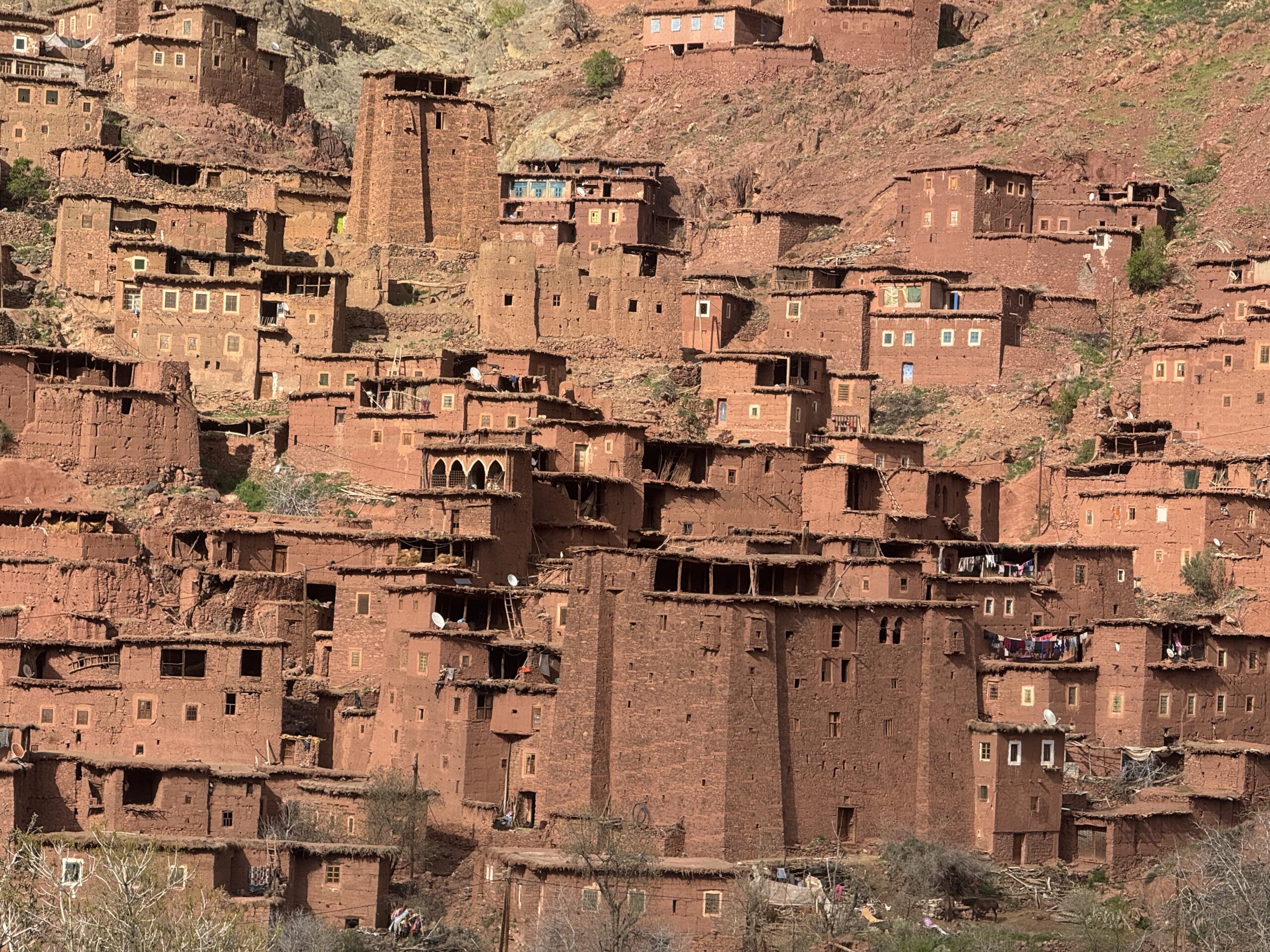
| High Atlas villages (Imlil, about 1,740 m) | about 12°C / 54°F | about 0°C / 32°F | Snow on the peaks and higher trails; the village stays reachable |
| Fes | 15–17°C / 59–63°F | 4–6°C / 39–43°F | Cooler and wetter than Marrakech; plan indoor time on rainy days |
| Essaouira (Atlantic coast) | 18–19°C / 64–66°F | 10–11°C / 50–52°F | Mild nights, often windy; not beach weather |
Sources: WeatherSpark – Marrakech, WeatherSpark – Essaouira, January, Weather & Climate – Merzouga, Weather & Climate – Imlil, January, Climate-Zone – Fes. Averages hide cold snaps: always check the forecast a few days before you travel.
Daylight is the other limit. Marrakech gets about 10 hours of daylight in late December and 10.4 hours on average in January, with sunrise around 8:30 a.m. in early January. A long driving day therefore needs an early start so you arrive before dark.
The Sahara in Winter: Warm Days, Cold Nights
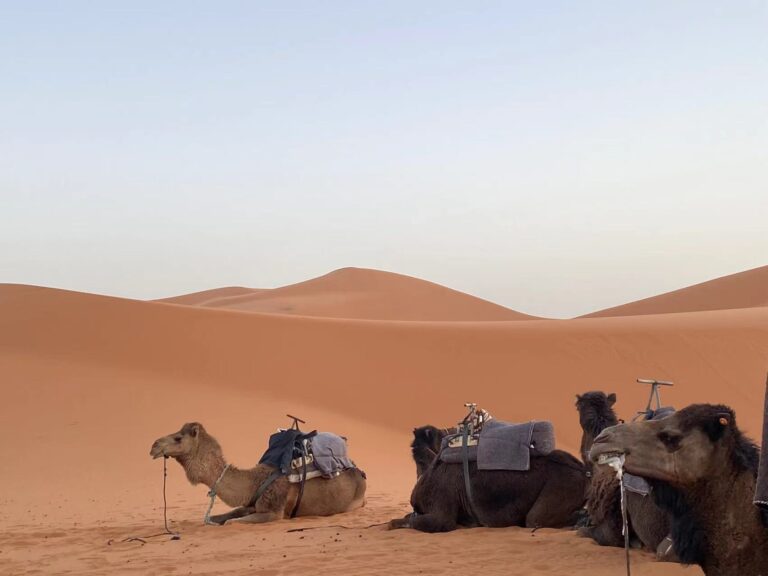
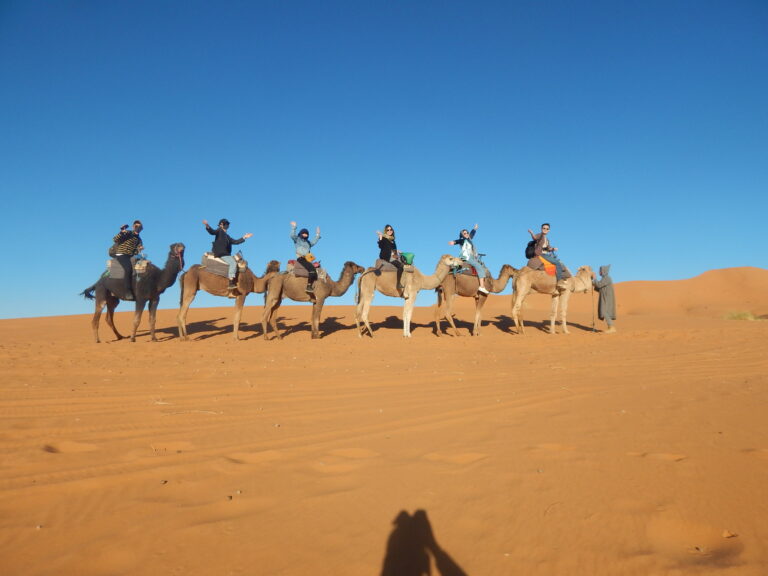
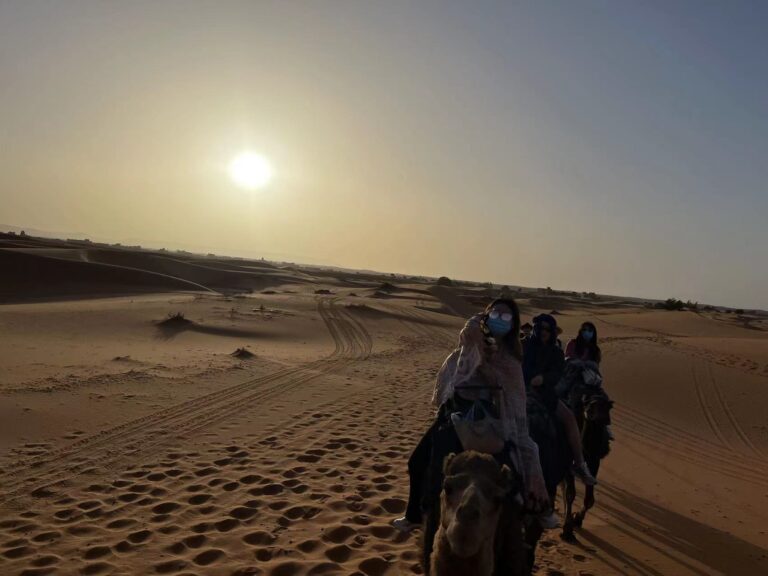
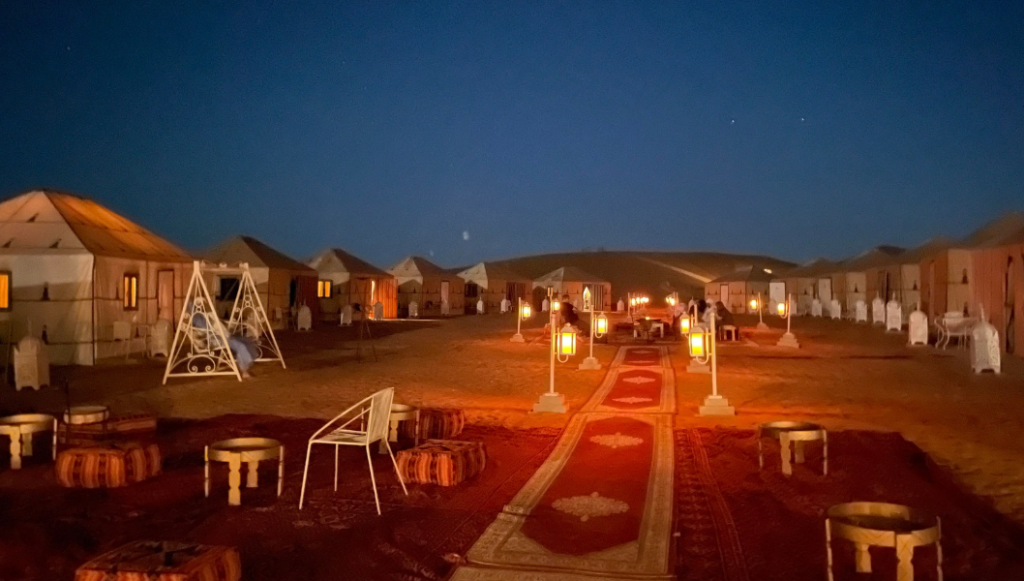
Winter is a good season for the Sahara if you are ready for the night. Days are often perfect for camel rides and walks on the dunes, around 18–19°C (64–66°F) in January, with almost no rain. After sunset the temperature drops fast, and nights in Merzouga average 4–6°C (39–43°F), sometimes close to freezing.
What a winter night in a desert camp is like
- Sunset comes early. In January the sun sets around 6:30–6:45 p.m. in Merzouga, so plan to reach camp by mid-afternoon for the sunset camel ride.
- The best moments are around the fire. Dinner, music and stargazing happen outside, so wear your warmest layer, a hat and closed shoes.
- The tent matters. Ask what your camp provides: heavy blankets, hot-water bottles, a private bathroom with hot water, and whether there is any heating. Comfort varies a lot between camps, so this is worth asking before you book.
- Mornings are cold but short. Sunrise over the dunes is worth getting up for; the warmth returns quickly once the sun is up.
Merzouga or Erg Chegaga in winter?
Both work in winter. Merzouga (Erg Chebbi) is reached on paved roads and has the widest choice of camps, from simple to luxury. Erg Chegaga is wilder and quieter, with the last part reached by 4×4 on desert tracks, which suits travelers who want remoteness. We compare both in detail in Merzouga vs Erg Chegaga camel trek.
If you only have a few days, a 3-day Sahara desert tour from Marrakech is the shortest comfortable way to see the dunes. For a quieter experience, look at our Erg Chegaga desert tours.
Christmas and New Year: the last week of December is the busiest week of the winter in the desert. Book camps and riads early for those dates, ideally by October or November.
Snow in the Atlas Mountains and What It Means for Your Route
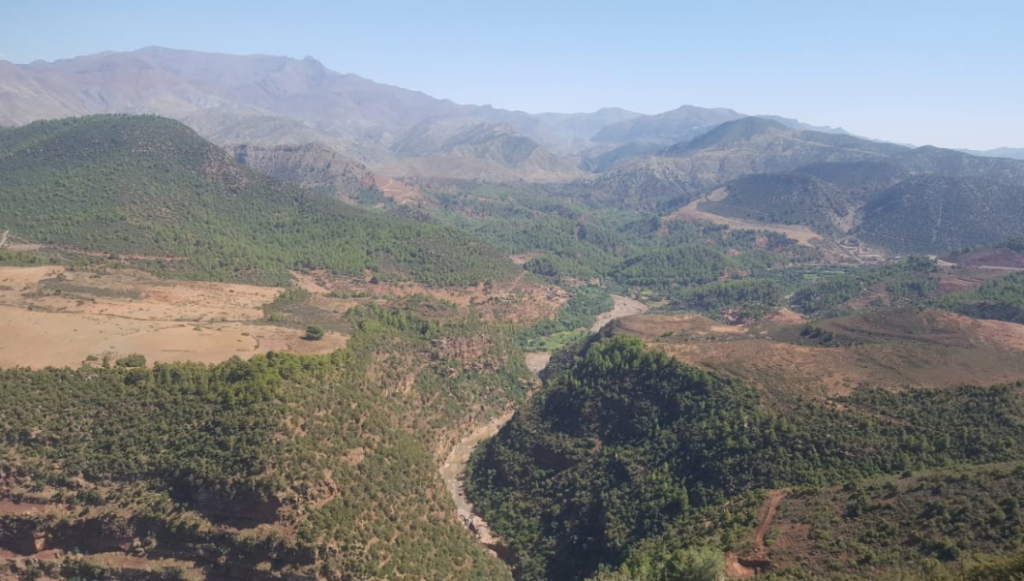
Snow is the main winter variable in Morocco. It rarely stops a trip, but it can delay a driving day. Every route from Marrakech to the Sahara crosses the High Atlas, usually over the Tizi n’Tichka pass on the N9 road to Ouarzazate, at about 2,200 m (7,200 ft).
In winter, heavy snow can close the Tichka for a few hours or, more rarely, a few days, until snowplows clear it. In January 2026, for example, Moroccan media reported full closures of the pass on 3 January and again around 20 January (Hespress). Routes from Fes to Merzouga cross the Middle Atlas near Ifrane and Midelt, which can also see snow.
How we plan around it
- Keep one flexible day in itineraries of 7 days or more, so a closed pass shifts the plan instead of breaking it.
- Check conditions the evening before each mountain crossing and leave early, when daylight is longest ahead of you.
- Do not self-drive the passes in snow unless you are experienced with mountain driving in winter conditions. Your driver knows when to wait.
- Book refundable or flexible nights around the mountain crossing when possible.
Visiting the High Atlas in winter
Villages such as Imlil remain open in winter, and a snowy day trip from Marrakech is one of the most beautiful winter experiences in Morocco. Gentle valley walks are possible on most days. Higher trails and the Toubkal summit become serious mountaineering in winter, with snow and ice, and require proper equipment and a certified mountain guide.
A Sample 8-Day Private Morocco Itinerary for Winter
This route goes from Marrakech to Fes through the Sahara, with shorter driving days and early starts to fit winter daylight. Driving times are approximate and do not include photo or lunch stops.
| Day | Route | Driving time | Winter tip |
|---|---|---|---|
| 1 | Arrive in Marrakech | Airport transfer | Choose a riad with heating in the rooms |
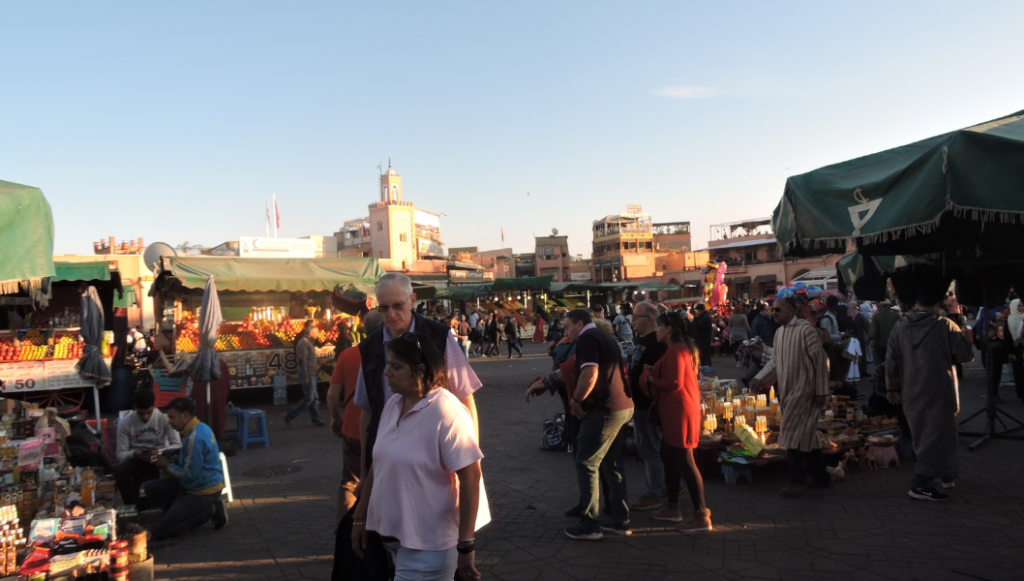
| 2 | Marrakech: guided medina visit, gardens, food | None | Visit Jemaa el-Fna at sunset, then dinner indoors |
| 3 | Marrakech – Tizi n’Tichka – Aït Ben Haddou | About 4 h | Leave by 8 a.m.; this is the snow-risk day |
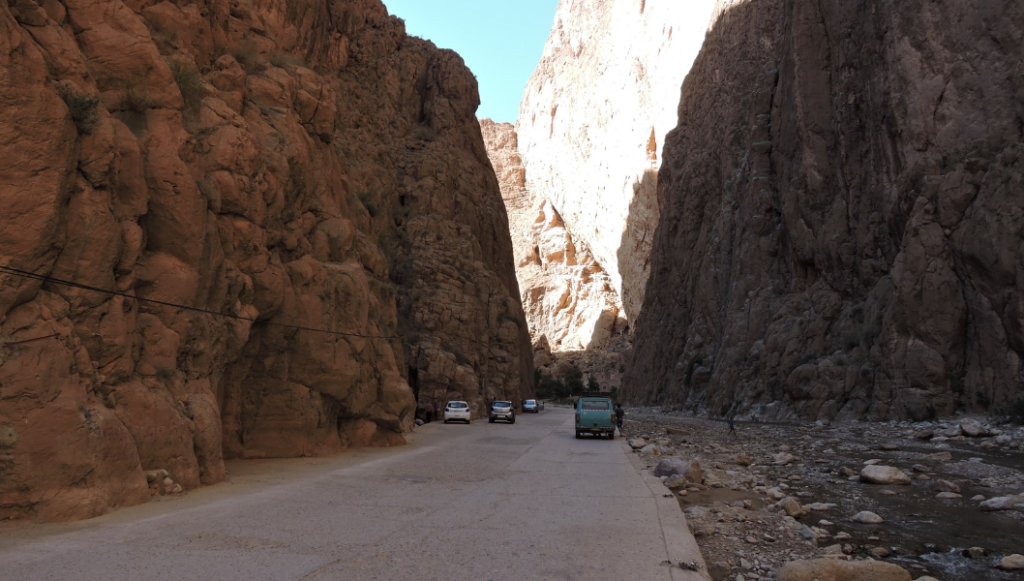
| 4 | Aït Ben Haddou – Ouarzazate – Dades Valley – Todra Gorge | About 4 h | Walk the gorge around midday, when sun reaches the bottom |
| 5 | Todra Gorge – Merzouga, camel ride, night in desert camp | About 3 h | Arrive by 3 p.m. for the sunset ride; warm layers in your day bag |
| 6 | Merzouga – Midelt – Ifrane – Fes | About 7–8 h | The longest day: leave right after sunrise breakfast |
| 7 | Fes: guided medina visit, tanneries, crafts | None | Fes is often rainy in winter; keep indoor visits as backup |
| 8 | Departure from Fes, or drive or train to Casablanca | About 3.5 h to Casablanca | Allow extra time if rain is forecast |
Want the desert without the long drive to Fes? A shorter loop from Marrakech to Erg Chegaga, via the Drâa Valley and M’Hamid, returns to Marrakech and is a quieter alternative. Our Marrakech to Fes private tour and 8-day Morocco tour options can be adapted to winter in the same way.
Morocco in December, January and February: Month by Month
Morocco in December
December has mild, mostly sunny days in Marrakech (around 19°C / 67°F) and the shortest days of the year, about 10 hours of daylight around 21 December. The week between Christmas and New Year is the busiest of the winter, especially in Marrakech riads and desert camps, so book early. A New Year’s Eve under the stars in the Sahara is a popular choice for couples and families.
Morocco in January
January is the coldest month and, outside the New Year week, one of the quietest. Expect crisp mornings, sunny afternoons and the highest chance of snow in the Atlas. On 14 January, Morocco celebrates Yennayer, the Amazigh (Berber) New Year, which became an official national holiday in 2023 and was first celebrated as one in January 2024 (Africanews). Families share festive meals, and you may see celebrations in Atlas and southern villages.
Morocco in February
February is a little warmer (around 21°C / 69°F in Marrakech) with longer days. Almond trees blossom in the Anti-Atlas around Tafraoute, but the local almond festival does not have fixed dates, so check before planning around it.
Ramadan 2027 is expected to begin around 8 February 2027 and end with Eid al-Fitr around 10 March 2027; exact dates depend on the moon sighting (timeanddate). Traveling during Ramadan is entirely possible:
- Sites, riads and hotels stay open, and tourist restaurants in Marrakech and Fes serve lunch.
- In smaller towns, many cafés close during the day and open after sunset.
- Streets are quiet in the late afternoon, then lively after the evening meal (iftar).
- Avoid eating, drinking or smoking openly in the street during the day, out of respect.
- Morocco usually moves its clocks back one hour during Ramadan, so check your flight and transfer times.
What to Pack for Morocco in Winter
Pack in layers: you will be in a T-shirt at noon in Marrakech and in a down jacket by the campfire the same evening.
- A warm insulated jacket (down or synthetic) for desert nights, mountain passes and evenings on riad terraces.
- A fleece or wool sweater and a thermal base layer for sleeping in the desert camp.
- Hat, scarf and light gloves. A scarf also protects you from sand and wind on a camel ride.
- Closed, comfortable shoes for medina walking, plus waterproof shoes or boots if you visit the Atlas.
- Sunglasses and sunscreen. The winter sun is still strong in the desert and at altitude.
- A light rain jacket for Fes and the north.
- Warm socks and slippers. Riad floors are tiled and cold, and not every room has strong heating.
- Modest clothing that covers shoulders and knees, which is respectful in villages and practical in the cold.
For the full list by season, including what to wear on a camel ride, see our Morocco packing list.
Is Winter the Right Time for Your Morocco Trip?
| Winter is a good fit if you… | Choose another season if you… |
|---|---|
| Prefer sightseeing in mild weather rather than heat | Want warm evenings outdoors every night |
| Like quieter medinas and fewer visitors at major sites (outside the holidays) | Plan high-altitude trekking or a Toubkal summit without winter experience |
| Want clear desert skies and dramatic snowy Atlas views | Want beach or swimming time on the coast |
| Can keep one day of flexibility in your plan | Have a very tight schedule with no buffer day |
Why a private tour helps in winter
In winter, flexibility is what keeps a trip comfortable. With a private driver, you can leave earlier when a long day is ahead, wait out a snow closure, swap two days if rain is forecast in Fes, or choose a desert camp with better heating. Learn more about how a Morocco private driver works.
Our private, tailor-made tours start from 272 US$ per day per person, based on 2 travellers. The final price depends on your dates, the length of the trip, your choice of riads and camps, and the activities you add.
[TRUSTINDEX GOOGLE REVIEWS WIDGET HERE]
Plan your winter trip with a local team
Tell us your dates, how many people are traveling and what you want to see, and our Marrakech team will send you a personalized winter itinerary and quote, with realistic driving times and a buffer day built in. Request your personalized Morocco itinerary.
Morocco in Winter: FAQ
Is Morocco warm in winter?
Days are mild rather than warm. Marrakech averages about 19°C (66°F) in January, and the Sahara is similar. Nights are cold everywhere inland: around 7°C (44°F) in Marrakech and close to freezing in the desert and the mountains.
How cold is the Sahara at night in winter?
In December and January, desert nights usually fall to around 4–6°C (39–43°F) and can drop close to 0°C (32°F). Good camps provide heavy blankets, and many offer hot-water bottles; bring a warm jacket and hat for the evening around the fire.
Does it snow in Morocco?
Yes, in the High and Middle Atlas. Snow is common on the peaks from December to February and can close mountain passes such as the Tizi n’Tichka for a few hours or days. Marrakech, Fes and the Sahara do not normally get snow.
Is December a good time to visit Morocco?
Yes, for sightseeing and the desert. December is sunny and mild by day, with short days and cold nights. The Christmas and New Year week is busy, so book riads and desert camps early.
What is the weather in Morocco in January?
January is the coldest month: about 19°C (66°F) by day and 7°C (44°F) at night in Marrakech, cooler in Fes, and freezing nights in the Atlas. It is also one of the quietest months to visit.
Can I visit Morocco during Ramadan 2027?
Yes. Ramadan is expected to start around 8 February 2027, depending on the moon sighting. Sites and tourist restaurants stay open; some cafés in small towns close during the day, and evenings are lively after sunset.
Is winter cheaper for a Morocco tour?
It depends on your dates. The Christmas and New Year period is in high demand, while January and early February are usually quieter. Our private tours start from 272 US$ per day per person based on 2 travellers, and we confirm the exact price for your dates.
📅 Last updated: