
Morocco Experiences: Authentic Ways to Explore the Sahara, Atlas Mountains & Imperial Cities
Morocco offers some of the most memorable travel experiences in North Africa. From camel trekking across Sahara dunes and sharing mint tea with Berber families to wandering ancient medinas and hiking through the Atlas Mountains, every region offers something completely different. This guide explores the Morocco experiences that travelers remember long after they return home.
Many of these activities can be included within our customizable Morocco Multi Day Tours across the country.
Salam & Welcome to Chegaga Travel – Your Local Experts for Morocco Experiences
At Chegaga Travel, we’ve spent years helping travelers discover authentic Morocco experiences across the Sahara Desert, Atlas Mountains, imperial cities, and remote Berber villages. The recommendations in this guide come directly from experiences we organize and witness every season.
In the sections ahead, we will walk you through the sahara desert (including Erg Chegaga), the Atlas mountains, imperial cities like Marrakech and Fes, coastal Essaouira, Berber villages, moroccan cuisine, hammams, and souks. Consider this your honest starting point before you start planning a Morocco trip that fits the way you actually travel.
Our team has spent years guiding travelers through Morocco’s deserts, mountains, imperial cities, and coastal regions. Because we live and work here, we recommend experiences based on firsthand local knowledge rather than online research. Every destination, activity, and travel tip featured in this guide reflects places we regularly visit with our guests throughout the year.
Why Trust Our Recommendations?
- Chegaga Travel is a locally owned Moroccan tour operator based in the south of the country.
- We have guided travelers from dozens of other countries-across Europe and beyond-through Morocco’s cities, mountains, coast, and sahara desert.
- Every experience in this guide is something we regularly include in our private tours.
- Our recommendations come from firsthand local knowledge, not generic travel lists pulled from a screen.
How to Start Planning Your Morocco Trip
Before diving into specific experiences, here is the practical groundwork that shapes a great trip.
- Best months to visit Morocco: Spring (March–May) and fall (late September–November) offer moderate temperatures ideal for both sahara desert and Atlas mountains travel. Summer in the desert can exceed 45°C, and winter snow can close higher mountain passes. (Rough Guides)
- How many days? For a first Morocco trip, 10–14 days lets you combine imperial cities, desert, mountains, and coast without feeling rushed. A shorter 7–8 day trip hits the highlights but demands longer drives.
- Arrival airports: Casablanca works well if you want to start with the Hassan II Mosque and head toward Fes. Marrakech is the natural gateway to the Atlas mountains and sahara desert. Both airports receive direct flights from many cities in europe.
- Route design: Chegaga Travel designs private routes based on your interests-whether that is culture, hiking, desert adventure, or a family-friendly pace-instead of running fixed group departures. You choose how to spend your mornings and how many nights to stay in each place.
Essential Morocco Experiences You Shouldn’t Miss
Think of this as your quick-reference checklist before we go deeper.
- Camel trekking across sahara desert dunes and sleeping under stars in a tented camp
- Stargazing over the remote dunes of Erg Chegaga with near-zero light pollution
- Walking the ancient medina of Fes or Marrakech with a certified local guide
- Hiking Berber valleys in the Atlas mountains with views of terraced fields and snowcapped peaks
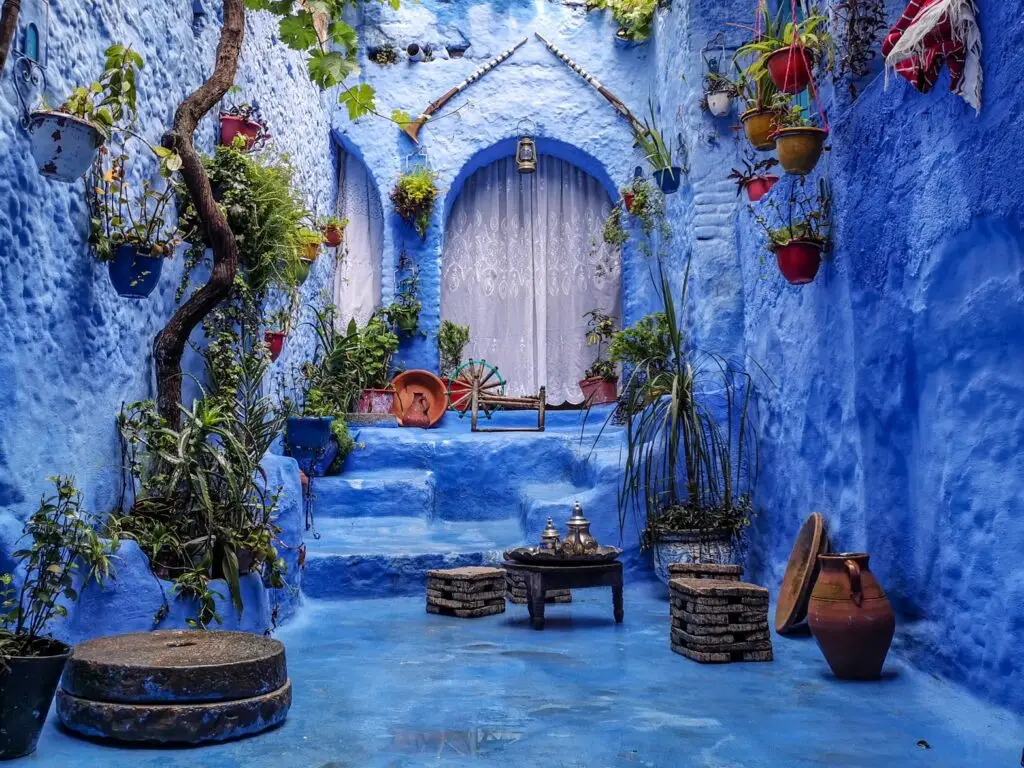
- Wandering the blue streets of Chefchaouen with a camera in hand
- Relaxing by the atlantic coast in seaside Essaouira
- Learning to prepare mint tea or cook a tagine in a family home
- Visiting centuries-old tanneries, artisan workshops, and living souks
Each experience can be adapted to your comfort level-luxury desert camps or simple Berber lodges, gentle walks or multi-day treks. The sections below go into real detail.
Why Morocco Offers Some of the Most Diverse Travel Experiences in the World
Few destinations pack this much variety into a single country. Within a two weeks itinerary you can cross golden sahara desert dunes, hike trails in the Atlas mountains at over 4,000 meters, walk the streets of a thousand-year-old ancient medina, and watch fishing boats return to an atlantic coast harbor-all connected by roads that wind through breathtaking scenery you will not find in most other countries.
Add Berber culture that stretches back centuries, moroccan cuisine that blends Amazigh, Arab, and Andalusian flavors, and a tradition of hospitality where strangers are welcomed with tea and bread, and you begin to understand why Morocco is an ideal destination for travelers seeking depth rather than a surface-level holiday. Morocco offers diverse outdoor adventures for active travelers alongside rich cultural immersion-often in the same day.
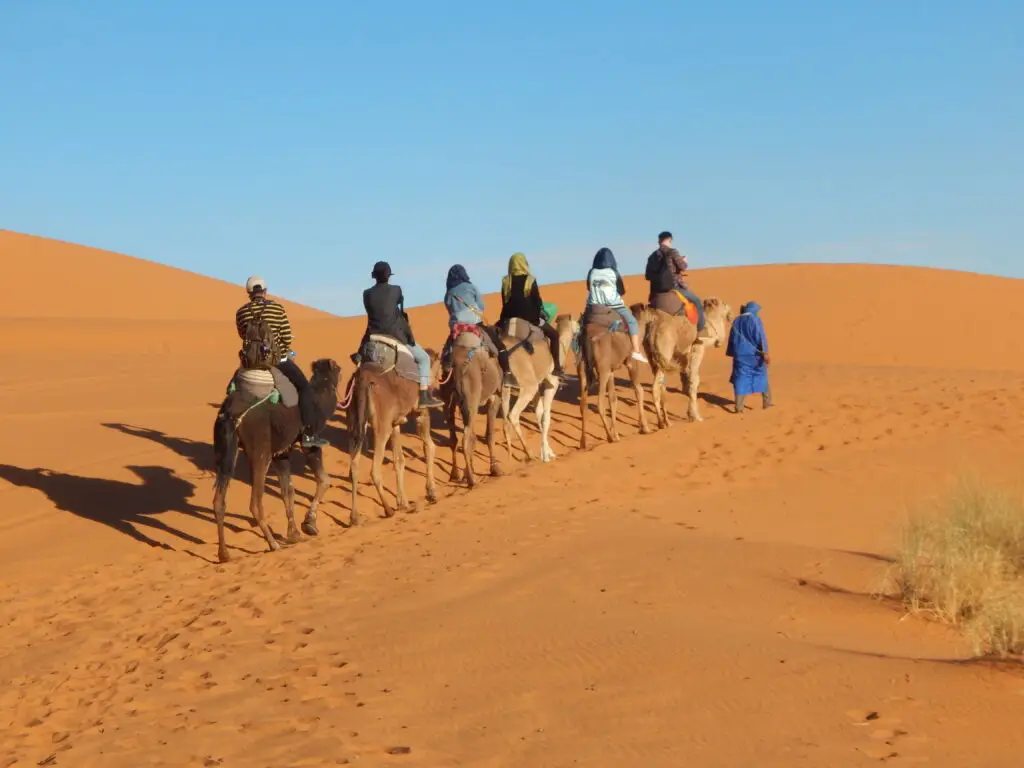
Experience the Sahara Desert: Erg Chegaga & Beyond
For most travelers, the sahara desert is the emotional peak of a Morocco trip. The scale of it resets something inside you-silence, space, and light you simply cannot reproduce anywhere else.
Erg Chegaga vs. Erg Chebbi: These are Morocco’s two great dune seas, and they offer very different experiences.
| Erg Chegaga | Erg Chebbi | |
|---|---|---|
| Location | ~56 km southwest of M’Hamid El Ghizlane | Near Merzouga |
| Dune height | Up to 300 meters | Up to 150 meters |
| Access | 4×4 off-road only-no paved road | Paved road to dune edge |
| Crowd level | Remote, quiet, few camps | Many camps, quad bikes, tourist activity |
| Stargazing | Near-zero light pollution, Milky Way visible | Light spill from Merzouga |
| The Sahara Desert features the Erg Chebbi dunes in Merzouga, and Erg Chebbi dunes stretch over 17 miles (28 km), making them impressive in their own right. But if you want wild, untouched desert with almost no one else around, Erg Chegaga is where we send travelers who crave something real. |
A typical sahara desert experience with Chegaga Travel:
- Late afternoon 4×4 drive across rocky plateaus and dry riverbeds to reach camp
- Sunset camel ride over golden dunes
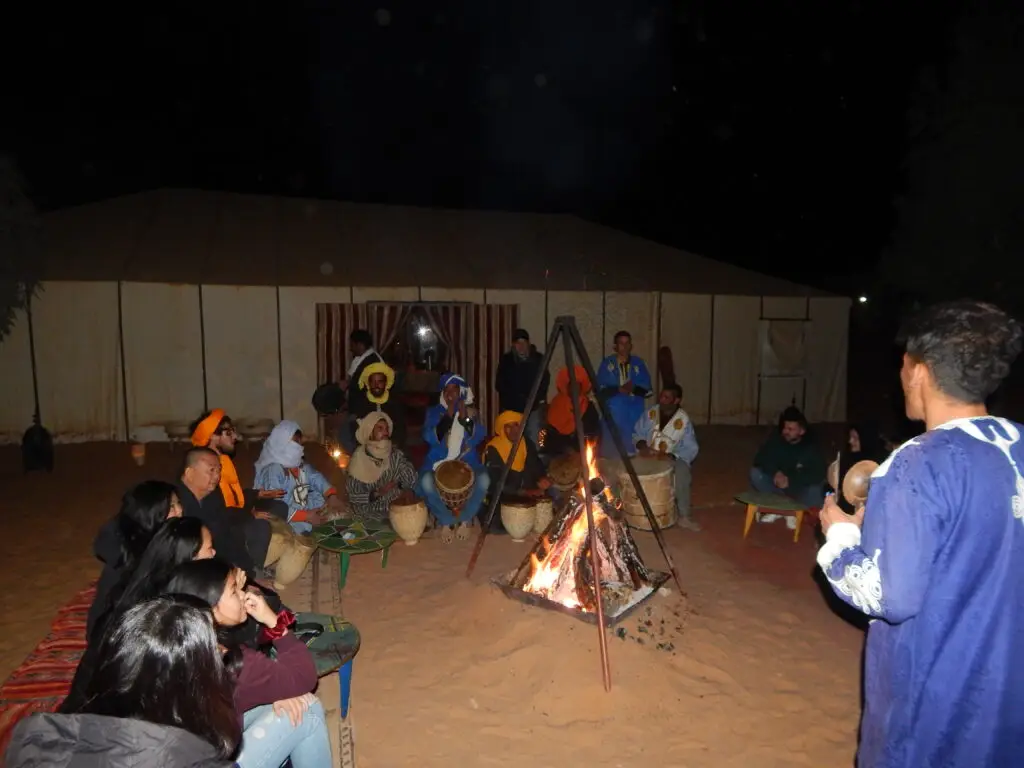
- Dinner by fire with Amazigh (Berber) music performed by local people
- Overnight in a tented desert camp-visitors can sleep in luxury desert camps in the Sahara or choose traditional Berber camps for a more rustic feel
- Stargazing in the Sahara offers clear views of the night sky, especially between October and April when skies are darkest
- Morning options: sunrise walks, sandboarding, or visits to nomad families and the dry lakebed of Iriki
Desert stays work well as one or two nights, and travelers can choose from various Erg Chegaga desert tours depending on how much time they want in the dunes. Travelers can also visit the Agafay Desert near Marrakech for a shorter desert taste without the long drive south.
Practical notes: Winter desert nights can drop near 0°C-pack layers, a warm jacket, a scarf, and closed shoes. Summer days are extreme. Chegaga Travel operates small, comfortable desert camps and uses experienced local drivers who know the dunes and off-road tracks intimately.
Camel Trekking & 4×4 Off-Road Adventures
Camel trekking and 4×4 journeys complement each other perfectly in the sahara desert.
- Camel treks in the Sahara allow for nights under the stars in luxury tented camps. A typical sunset or sunrise trek lasts 1–2 hours, but camel trekking in the Sahara can last from two days to two weeks for those wanting a deeper desert journey.
- The rhythm of a camel ride is slow and meditative-just you, the animal, and shifting light on sand. By contrast, 4×4 drives deliver adrenaline as you cross dry riverbeds and rocky plateaus.
- Safety matters: we use experienced camel handlers, ensure proper vehicle maintenance, and always recommend travel insurance for desert and mountain travel.
- For families with children or older travelers, we shorten camel rides and add more time in comfortable camps where you can relax at your own pace.
Atlas Mountains & Berber Village Life
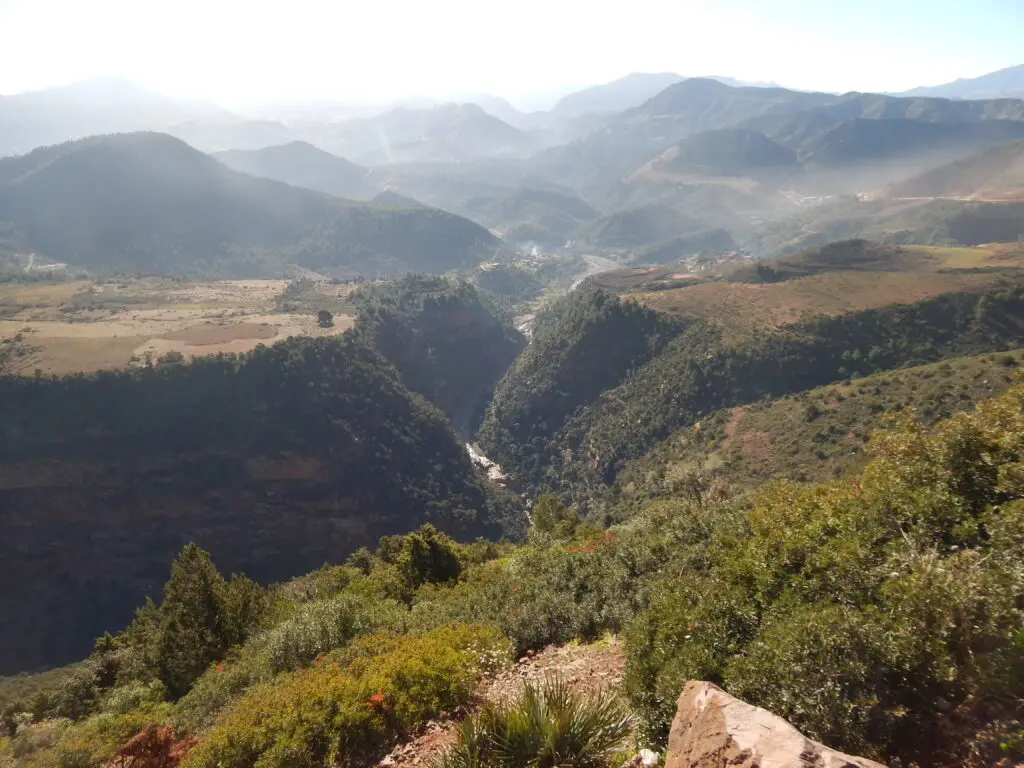
The Atlas mountains are a peaceful contrast to both the sahara desert and the busy imperial cities. From Marrakech, you can be in a mountain valley within 1.5 hours, surrounded by stone villages, terraced walnut orchards, and the sounds of running water.
- Key regions: The High Atlas near Imlil and Mount Toubkal (North Africa’s highest peak at 4,167 meters), the Ouirgane valley, and the Aït Bougmez “Happy Valley” for quieter, rural Morocco experiences.
- Activities: Half-day valley walks, full-day hikes, and Atlas Mountains day trips with Berber villages, plus multi-day treks with mules and certified mountain guides. The Atlas Mountains offer diverse hiking trails for all skill levels-from gentle village strolls to serious summit attempts.
- Village immersion: Berber villages thrive in the foothills of the Atlas Mountains. Expect stone or mudbrick houses, weekly souks, terraced fields of olives and walnuts, and communal ovens where bread is baked each morning. Berber villages in the Atlas Mountains offer cultural immersion experiences that feel unscripted because they are.
- Where to stay: Traditional guesthouses or small lodges, sharing tagines and homemade bread with your hosts. Income from these stays goes directly to the family.
- Best seasons: Spring brings wildflowers and snowcapped peaks; autumn offers clear skies and golden light. Winter snow closes higher passes but lower valleys remain accessible.
Chegaga Travel uses local mountain guides and hosts to ensure money stays in the valleys and travelers get genuine cultural encounters, not staged performances.
From Marrakech to Toubkal & Scenic Passes
- The drive from Marrakech to Imlil takes about 1.5–2 hours (roughly 70 km). From Imlil, you can hike toward Toubkal base camp or enjoy gentler village trails through Aroumd and surrounding hamlets.
- The dramatic Tizi n’Tichka pass (2,260 m) is the gateway from Marrakech toward the south-hairpin bends, panoramic viewpoints, and a landscape that shifts from green to ochre as you descend toward Aït Benhaddou.
- Practical tips: bring layers for changing temperatures at altitude, consider motion sickness tablets for winding roads, and stop at roadside cafés for mint tea and a breath of mountain air.
Imperial Cities: Marrakech, Fes, Meknes & Rabat
Morocco’s four imperial cities-each a former seat of power-are central to most Morocco experiences. Private Morocco tours often weave these stops together with desert and mountain regions. Morocco’s imperial cities showcase intricate artistry and desert traditions woven into daily life across centuries of history.
- Marrakech: A former imperial city famous for its red walls, Jemaa el-Fna square, Koutoubia Mosque exterior, and maze-like souks. Marrakech is known for its vibrant markets and artisan shops. The Medina of Marrakesh is known for history, artisan goods, and botanical beauty.
- Fes: Morocco’s spiritual and intellectual heart. The Fes el-Bali medina is a UNESCO World Heritage site-a labyrinth where travelers should visit centuries-old tanneries in Fez for authentic Moroccan artisanal life. Al-Qarawiyyin Mosque and University (exteriors for non-Muslims) reflects the city’s long history as a center of learning.
- Meknes: A quieter imperial city with Bab Mansour gate and Mausoleum of Moulay Ismail-often combined as a day trip from Fes. Nearby, the town of Sefrou is known as “Little Jerusalem” for its Jewish heritage.
- Rabat: The current capital with a calmer medina, Kasbah des Oudayas, and coastal setting. A gentle first stop for many tourists after arrival.
Historical sites in Morocco include the Hassan II Mosque, Bahia Palace, and Roman ruins of Volubilis-each one a window into a different century of this country’s layered past.
Chegaga Travel arranges certified local guides in each imperial city to explain architecture, daily life, and historic context beyond surface-level sightseeing.
Hassan II Mosque & Casablanca
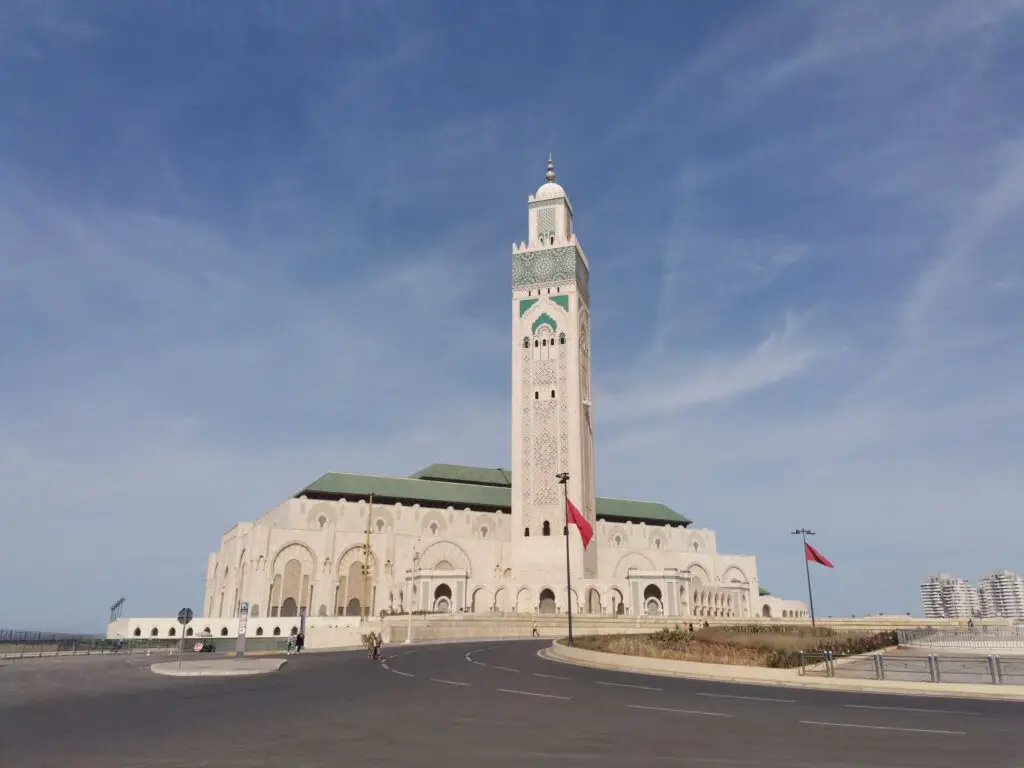
The Hassan II Mosque is the largest mosque in Morocco, and one of the most striking modern Islamic monuments in the world. It stands partly over the Atlantic in Casablanca and is one of the few major mosques in the region open to non-Muslim visitors on guided tours.
- Practical details: Timed entry tours, modest clothing (covered shoulders and knees), typical visit length about 1–1.5 hours. This is a must see for any person visiting Casablanca.
- Chegaga Travel often includes Casablanca and the Hassan II Mosque at the beginning or end of a journey depending on your flight schedule. Many of our Morocco Multi Day Tours from Casablanca start here before continuing to Rabat, Fes, Chefchaouen, Marrakech, the Atlas Mountains, and the Sahara Desert.
Coastal & Northern Experiences: Essaouira & Chefchaouen
Morocco is more than desert and mountains. The coast and the north offer a different rhythm entirely.
- Essaouira: A laid-back atlantic coast port with a UNESCO-listed medina, sea ramparts, and many restaurants serving freshly grilled fish straight from the harbor. Ideal for two nights or more of slower-paced Morocco activities, and it often features at the start or end of a 4-day Chegaga desert tour from Marrakech. Nearby argan cooperatives are worth a visit.
- Chefchaouen: Tucked into the Rif Mountains, Chefchaouen is known for its blue-colored buildings, narrow lanes, and surrounding hikes to viewpoints. It works well as part of a northern circuit with Fes and Tangier-a wonderful time for travelers seeking photography, quiet streets, and a town that feels removed from the busier south.
Chegaga Travel can balance itineraries so guests don’t feel rushed crossing long distances between south and north. We know which routes are fun and which are just tiring. Wondering how to combine these experiences into one unforgettable trip? Explore our Morocco Itineraries page for complete travel routes and itinerary ideas.
Food & Drink: Tasting Authentic Moroccan Flavors
Moroccan cuisine is not a side attraction-it is one of the most memorable parts of any Morocco trip. The food blends Amazigh, Arab, Andalusian, and Mediterranean influences into something you will not taste the same way in any other country.
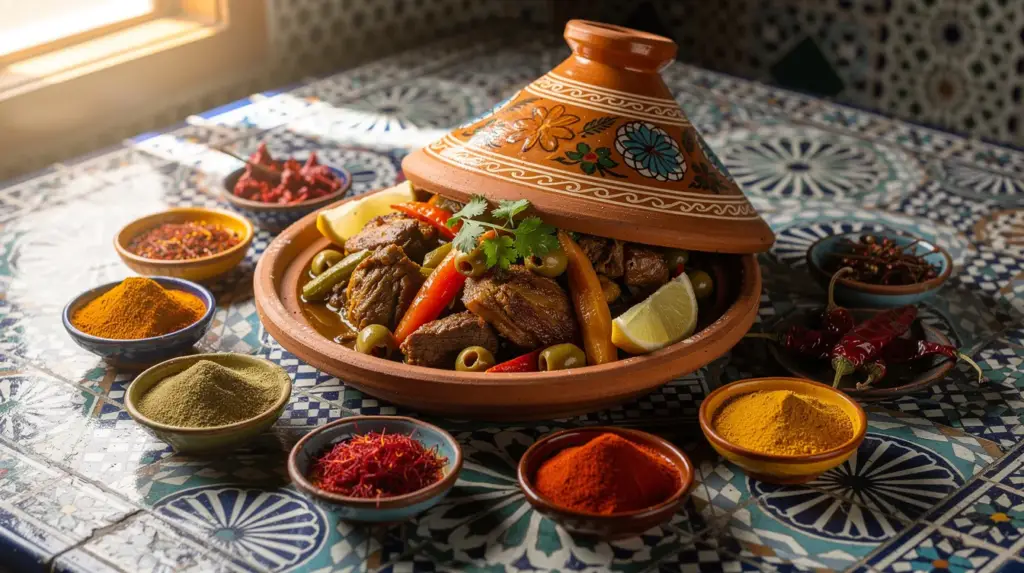
- Essential dishes: Tagines (lamb with prunes, chicken with preserved lemon and olives), couscous served on Fridays, pastilla (sweet and savory pigeon or chicken pastry), and harira soup
- Street food: Msemen (layered pancakes), sfenj doughnuts, and fresh orange juice found at stands across every city. Stick to busy stalls with high turnover for the freshest food.
- Regional specialties: Seafood in Essaouira, almond pastries in Fes, date and almond combinations in desert oases, argan oil from the southwest
Travelers should immerse themselves in Morocco’s vibrant medinas and savory cuisine-it is one of the fastest ways to understand the culture. Many guests mention these meals in their 5-star Chegaga Travel reviews. Chegaga Travel can organize meals in family homes or small countryside guesthouses for guests who want home-style cooking that goes far beyond what tourists typically experience.
Mint Tea Ceremonies & Cooking Classes
Traditional mint tea ceremonies reflect Moroccan hospitality. Mint tea is prepared with Chinese gunpowder green tea, fresh mint, generous sugar, and poured from height to create a light foam. It is served multiple times a day-refusing it would be unusual.
Guests can learn tea rituals during home visits, desert camp evenings, or in a riad courtyard. Moroccan cooking classes often include market visits where you select your own ingredients before learning to prepare tagine, salads, and bread. In Marrakech, workshops at places like La Maison Arabe or in historic riads pair you with dadas (traditional women cooks) who share techniques passed down through generations.
Cooking classes in Marrakech empower local women through culinary arts-your participation directly supports their livelihood and preserves culinary heritage. For a deeper dive, explore our Marrakech food tour guide.
Wellness & Daily Life: Hammams, Riads & Evening Atmosphere
Some of the best Morocco experiences happen not at famous sights but in everyday rituals, especially on tailor-made Sahara desert trips where you have time to slow down and observe daily life.
- Hammams serve as both bathhouses and social hubs in Morocco. Traditional public hammams are where locals go; private spa-style hammams in Marrakech and Fes offer a more comfortable introduction for tourists. A typical session includes a warm room, black soap scrub, exfoliation with a kessa glove, and rinsing. First-timers: bring swimwear and flip-flops, and let yourself relax into it.
- Riads are traditional Moroccan houses with a central courtyard. Riads often feature intricate mosaics and cool inner courtyards-staying in one offers a unique architectural experience. Riads provide a cooler environment than the outside heat, and many riads are beautifully designed and decorated with zellige tiles and carved plasterwork.
- Evening atmosphere: Rooftop sunsets over Marrakech with the Atlas mountains in the distance, night markets at Jemaa el-Fna alive with sounds and smoke, and quieter walks through lantern-lit medinas in Fes or Essaouira.
Respect local customs: modest clothing, limited public affection, and awareness during Ramadan will help you discover the real Morocco comfortably and respectfully.
Souks, Markets & Handicrafts
Souks are living museums of Moroccan craftsmanship inside old medinas and imperial cities. Marrakech’s medinas are bustling with master artisans selling intricate rugs and leather goods.
- Where: Souk Semmarine and leather and metalworkers’ quarters in Marrakech; tanneries, carpenters, and weavers in Fes
- What to buy: Rugs, ceramics from Safi or Fes, thuya woodwork from Essaouira, argan oil, and handwoven textiles from High Atlas villages
- Artisan workshops in Morocco feature craftsmanship in leather, pottery, and metalwork. Artisans practice centuries-old techniques in ceramic and textile workshops that you can visit and watch up close.
- Bargaining etiquette: Start below the asking price, keep it friendly, accept tea if offered, and know when to walk away. It should feel like fun, not combat.
Chegaga Travel guides help guests understand quality, avoid fakes, and shop in cooperatives that treat artisans fairly-this is part of what makes authentic experiences possible.
Photography Experiences in Morocco
Morocco is one of the most photogenic countries in the world, and knowing where and how to shoot makes all the difference.
Best Places for Photography
- Chefchaouen: Blue-washed walls, morning light filtering through narrow lanes, cats on doorsteps
- Sahara dunes: Erg Chegaga at sunrise or sunset for dramatic silhouettes and endless golden ridgelines
- Aït Benhaddou: A UNESCO World Heritage Site with layered kasbah architecture against dry mountain backdrop
- Dades Valley: Boumalne Dades is famous for its Rose Valley producing rose oil, and the Dades Valley features kasbahs and nomadic tribes-incredible for landscape and cultural photography
- Marrakech rooftops: Sunset views over the medina with Koutoubia Mosque and Atlas mountains in the distance
Respectful Photography Tips
- Always ask permission before photographing local people, especially in villages and at religious or cultural events
- Avoid photographing military or police-this is taken seriously
- A small tip is sometimes expected when someone agrees to be photographed
- Shoot during golden hour (early morning, late afternoon) for the best natural light and to avoid the harsh midday sun that flattens Morocco’s incredible textures
Why Tailor-Made Morocco Experiences Beat Standard Group Tours
The difference between a good trip and a lifetime memory often comes down to how the journey is designed, and our Morocco tailor-made tours FAQ explains what that looks like in practice.
- Flexibility: Add an extra night in Essaouira because you fell in love with the coast. Skip a city that does not interest you. Adjust your pace daily.
- Personalization: Photography-focused routes, family-friendly schedules, hiking-heavy itineraries, or budget-conscious plans-all possible when the tour is built around you, not a fixed group.
- Authenticity: Private travel lets you visit small Berber villages, lesser-known ksars and oases, and spend meaningful time with locals rather than rushing through a checklist.
- Comfort: Choose between riads, boutique hotels, or luxury desert camps. Arrange meals for dietary preferences. Travel with a private driver-guide who knows road conditions, seasons, and security considerations.
- Local impact: When you stay in homestays, eat in family kitchens, and buy from cooperatives, your budget flows directly to the communities you visit.
Chegaga Travel specializes in these tailor-made morocco experiences, drawing on firsthand knowledge of every region, road, and season.
Sample Morocco Experience Itineraries
Not sure how to combine Morocco’s many attractions into a single trip? Here are a few popular itinerary ideas that balance culture, adventure, and relaxation.
7-Day Morocco Experience
For more ideas, you can compare these highlights with our detailed 7 days in Morocco itinerary.
Perfect for first-time visitors with limited time.
Highlights:
- Marrakech Medina and souks
- Atlas Mountains day trip
- Aït Benhaddou Kasbah
- Sahara Desert experience with camel ride and desert camp
- Return to Marrakech
10-Day Morocco Experience
Our most popular itinerary for travelers who want to see Morocco’s essential highlights.
Highlights:
- Casablanca and Hassan II Mosque
- Fes Medina and artisan quarters
- Middle Atlas Mountains
- Sahara Desert and Erg Chegaga or Erg Chebbi
- Dades Valley and Todra Gorge
- Aït Benhaddou
- Marrakech
14-Day Complete Morocco Experience
Ideal for travelers seeking a deeper understanding of Morocco’s landscapes, culture, and traditions.
Highlights:
- Casablanca
- Rabat
- Chefchaouen
- Fes
- Sahara Desert
- Atlas Mountains
- Marrakech
- Essaouira Atlantic Coast
- Berber villages and local cultural experiences
Each itinerary can be fully customized based on your interests, travel style, accommodation preferences, and available time.
Best Time for Different Morocco Experiences
Morocco can be visited year-round, but some experiences are better enjoyed during specific seasons.
Spring (March–May)
One of the best times to visit Morocco. Temperatures are comfortable across the Sahara Desert, Atlas Mountains, imperial cities, and coastal regions. Valleys are green, wildflowers bloom in the mountains, and hiking conditions are excellent.
Summer (June–August)
Best for the Atlantic coast, including Essaouira and Agadir, where ocean breezes keep temperatures pleasant. The Sahara Desert and southern regions can be extremely hot, often exceeding 40°C.
Autumn (September–November)
A favorite season for many travelers. Warm days, cooler nights, and excellent conditions for desert tours, city exploration, and mountain trekking.
Winter (December–February)
Ideal for cultural tours in Marrakech, Fes, Rabat, and Casablanca. The Sahara Desert remains beautiful with sunny days and cool nights, while the High Atlas Mountains may receive snow, creating spectacular scenery.
No matter when you travel, Chegaga Travel can recommend the best route, accommodations, and activities based on seasonal conditions and your personal interests.
Frequently Asked Questions about Morocco Experiences
These are questions first-time visitors ask us constantly. Here are honest answers.
Is Morocco safe to visit? Morocco is generally safe for tourists. Use common city awareness in busy souks, work with licensed guides, and avoid unregulated desert operators. Rural areas are very welcoming. Read our detailed guide on whether Morocco is safe for more.
How many days do I need? A 7–8 day trip covers highlights but feels rushed. We recommend 10–14 days to properly explore imperial cities, the sahara desert, Atlas mountains, and at least one coastal stop. Two weeks gives breathing room to actually enjoy rather than just transit.
Do I need a guide? In medinas, mountains, and the sahara desert-yes. Guides help with navigation, interpreting history, and safety. In imperial cities, certified local guides unlock stories and details you would walk right past on your own.
What should I wear? Modest but comfortable clothing (shoulders and knees covered in cities). Layers for desert nights and mountain altitude. Sturdy walking shoes for medina cobblestones and light hiking. During Ramadan, dress especially respectfully.
Is Morocco part of the Middle East? No. Morocco is in North Africa-the Maghreb region. Its culture blends Amazigh (Berber), Arab-Islamic, Andalusian, and Sub-Saharan influences. It shares some traditions with the middle east but has its own distinct identity, heritage, and history.
What is the most unique experience in Morocco? Spending a night in the remote dunes of Erg Chegaga with no sound, no light pollution, and the Milky Way overhead. It is unlike anything else in this part of the world.
Is the Sahara Desert Worth Visiting?
Absolutely. It is not just sand-it is a sensory reset. The quiet, the scale, the light at sunrise, the warmth of Berber hospitality around a fire. Whether you spend one night or several, the sahara desert stays with you.
What Are the Best Morocco Experiences for Couples?
Private luxury desert camps, secluded riads with rooftop dinners, sunset camel rides, cooking classes for two, and walking the quiet streets of Chefchaouen or Essaouira at dusk. See our Morocco tours for couples for curated ideas.
What Are the Best Morocco Experiences for Families?
Shorter drives between stops, comfortable desert camps with space to explore, gentle Atlas mountains hikes suitable for children, interactive cooking classes, and staying in riads with courtyards where kids can play. Family Morocco tours are designed around energy levels and attention spans-not just adult interests.
Why Plan Your Morocco Experiences with Chegaga Travel?
Choosing the right local partner can make the difference between a good trip and an unforgettable journey. At Chegaga Travel, we focus on creating authentic, private, and personalized Morocco experiences designed around your interests, and our custom private Morocco tour planning form lets you spell out exactly what you’re looking for.
What Makes Chegaga Travel Different?
- Private tours only — no large group buses or rushed schedules
- Flexible itineraries tailored to your travel style
- Experienced local Moroccan drivers and guides
- Hand-picked riads, boutique hotels, and desert camps
- Authentic cultural experiences beyond typical tourist routes
- Comfortable transportation throughout Morocco
- Local knowledge of seasonal conditions and hidden gems
- Dedicated support before and during your trip
Whether you’re interested in the Sahara Desert, Atlas Mountains, imperial cities, photography, hiking, food experiences, or a combination of everything, we can help design a journey that matches your expectations and pace.
What Travelers Say About Their Morocco Experiences
Travelers from around the world have explored Morocco with Chegaga Travel. Here are some recent reviews from guests who experienced the Sahara Desert, Atlas Mountains, imperial cities, and tailor-made journeys across Morocco.
Plan Your Morocco Experiences with Chegaga Travel
Ready to Experience the Best of Morocco?
From the golden dunes of the Sahara Desert and the breathtaking Atlas Mountains to the historic medinas of Marrakech and Fes, Morocco offers experiences unlike anywhere else in the world.
The challenge isn’t finding places to visit—it’s knowing how to combine them into a journey that matches your interests, pace, and travel style.
At Chegaga Travel, we specialize in creating private tailor-made Morocco tours that go beyond standard sightseeing. Whether you’re looking for cultural immersion, desert adventures, mountain trekking, luxury travel, photography opportunities, or family-friendly experiences, we’ll design a trip built around you.
Our local team knows the roads, seasons, accommodations, and hidden places that most travelers never discover on their own.
What we need from you to get started:
- Your preferred travel dates and number of nights
- Group size (couple, family, friends)
- Interests and comfort level (adventure, culture, relaxation, photography)
- Any specific places or activities on your wish list
Share these details through our contact page or our dedicated Chegaga Travel contact form and we will come back to you with a custom route and honest advice-no obligation, no generic templates. Just a trip built by people who know this country because we call it home.