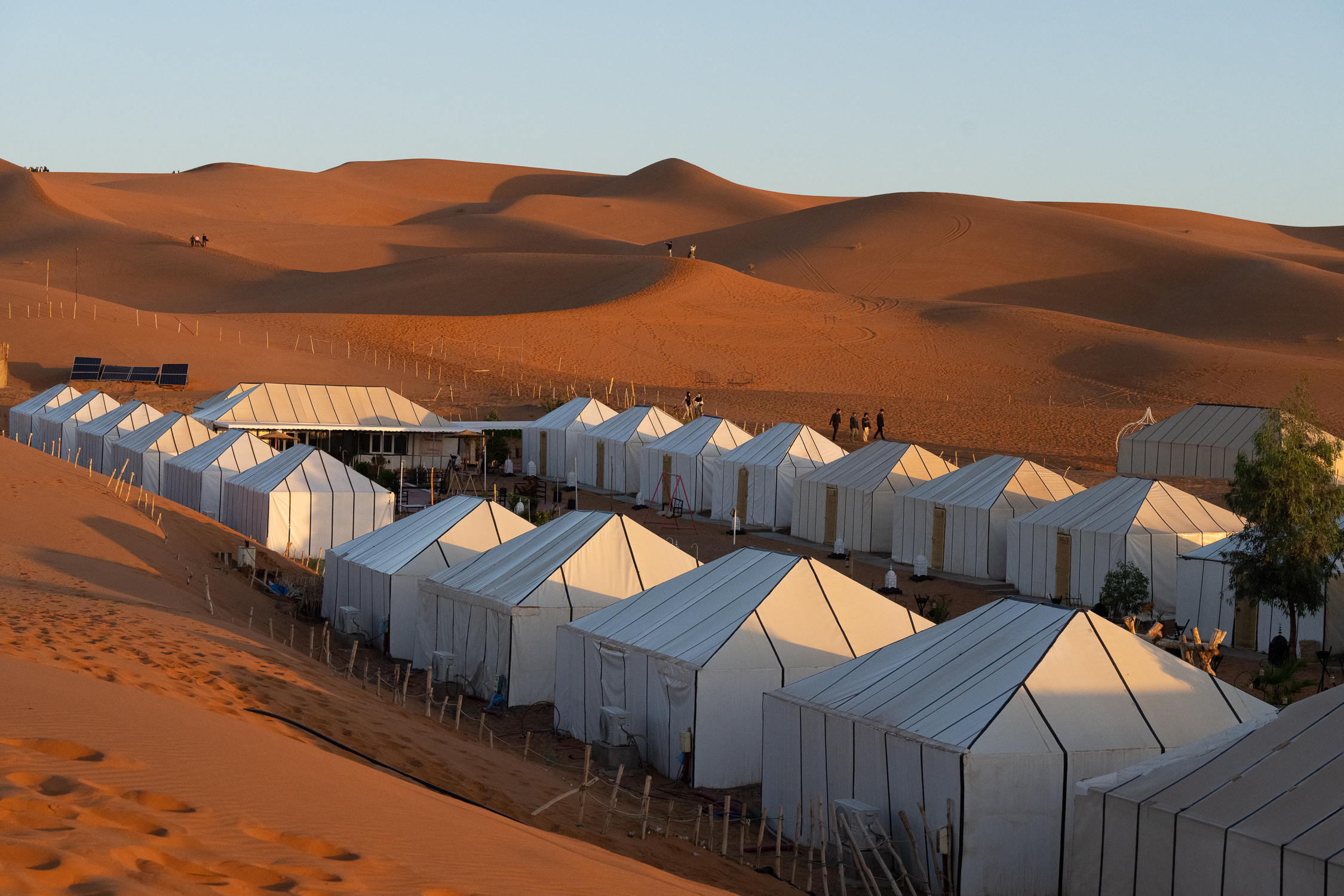
Morocco vs Egypt: Which Should You Visit First?
If ancient monuments are your main dream, visit EgyMorocco vs Egypt: Which Should You Visit First?
If ancient monuments are your main dream, visit Egypt first. If you want the most variety in one trip (Sahara camps, mountain villages, medinas, great food and an easy road trip with your own driver), visit Morocco first. Both countries are in North Africa and both are rewarding. They feel very different on the ground, though, and the right first choice depends on what you want from your trip.
This guide compares Morocco and Egypt on the things that actually shape a trip: highlights, the desert experience, how you get around, the best seasons, safety, food, cost and trip length. It ends with a simple “choose this one if…” checklist and a 2-week route that covers both countries.
Morocco vs Egypt at a Glance
The short version: Egypt is about world-famous antiquity along one river. Morocco is about living culture and changing landscapes on a circular road trip.
| Morocco | Egypt | |
|---|---|---|
| Best known for | Medinas, souks, Sahara dunes, Atlas Mountains, kasbahs, food | Pyramids of Giza, pharaonic temples and tombs, the Nile, Red Sea |
| Travel style | Road trip in a loop; a private driver works very well | Linear route along the Nile, usually with domestic flights, trains or a Nile cruise |
| Desert experience | Overnight camps in large dune seas (Merzouga, Erg Chegaga) | White Desert and Siwa Oasis; less often on a first trip |
| Best months | March–May and September–November | October–April |
| Ideal first trip | 7–14 days | 8–12 days |
| Pace | Varied: cities, mountains, valleys and desert | Busy sightseeing days built around major sites |
What Is the Main Difference Between Morocco and Egypt?
Egypt is about the past, and Morocco is about the present. In Egypt, most travelers’ days revolve around monuments that are thousands of years old: the Pyramids of Giza, Karnak and Luxor temples, the Valley of the Kings, Abu Simbel. Nothing else on earth compares to them.
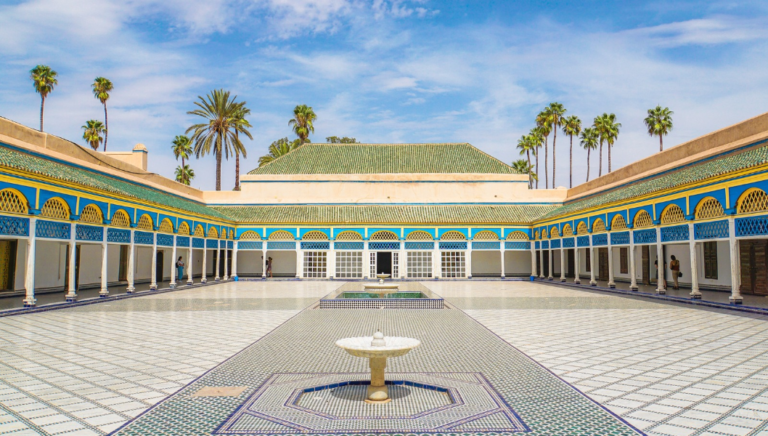
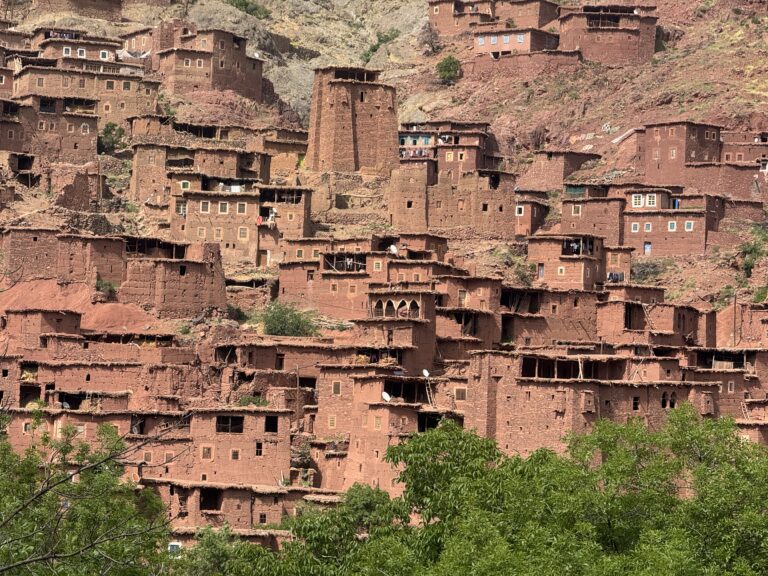
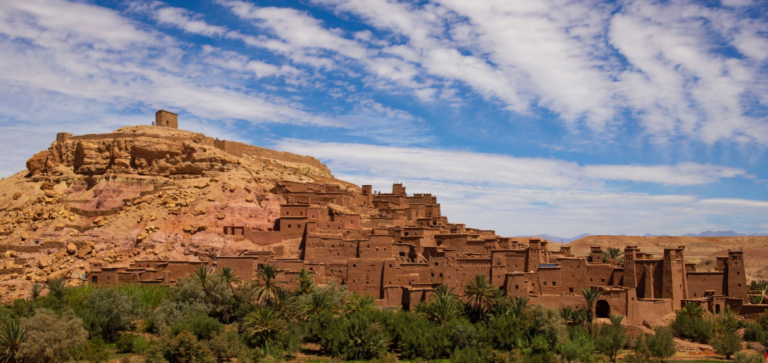
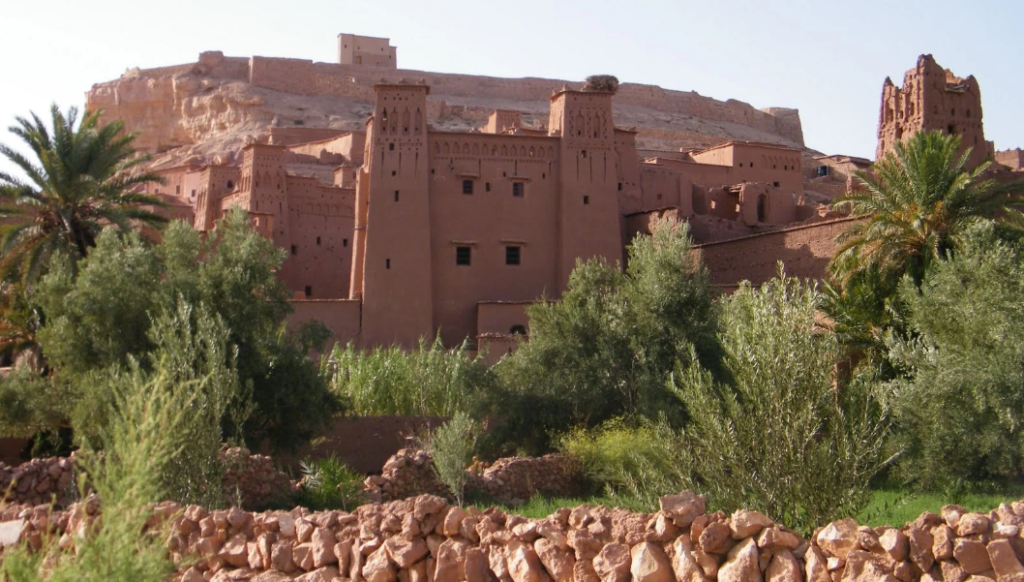
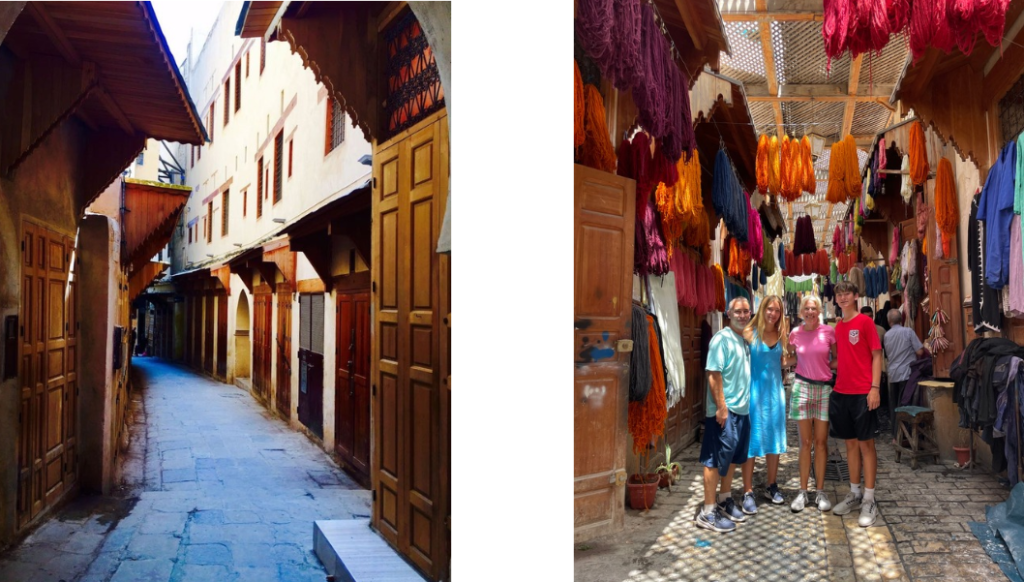
In Morocco, the highlights are mostly lived in. You walk through medinas where craftsmen still work in tiny workshops, drive over the High Atlas past Berber villages, stay in restored riads and kasbahs, and sleep in a desert camp under the stars. Morocco has history too (its imperial cities and Aït Benhaddou are UNESCO World Heritage Sites), but the experience feels more like traveling through a living culture than visiting a museum.
Which Country Has More Variety?
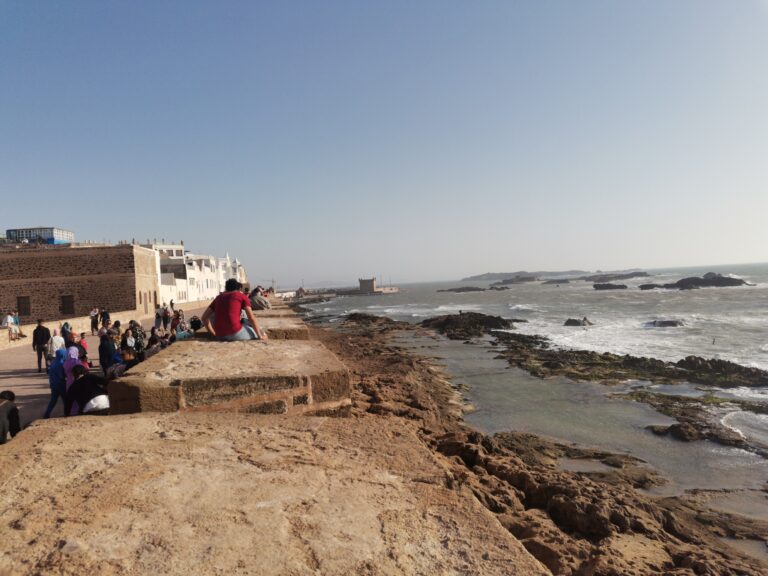
Morocco packs more kinds of landscapes into a short trip. On one 8 to 10-day loop from Marrakech you can cross the High Atlas Mountains, follow the Draa or Dades valleys, sleep in the Sahara, visit Fes and finish on the Atlantic coast or in the blue town of Chefchaouen.
Egypt’s main highlights sit along the Nile Valley, from Cairo south to Luxor, Aswan and Abu Simbel. You get incredible depth on one theme, ancient Egypt, plus the option of a beach and diving stay on the Red Sea. Travelers who love variety tend to prefer Morocco. Travelers who love archaeology tend to prefer Egypt.
Where Is the Better Sahara Desert Experience?
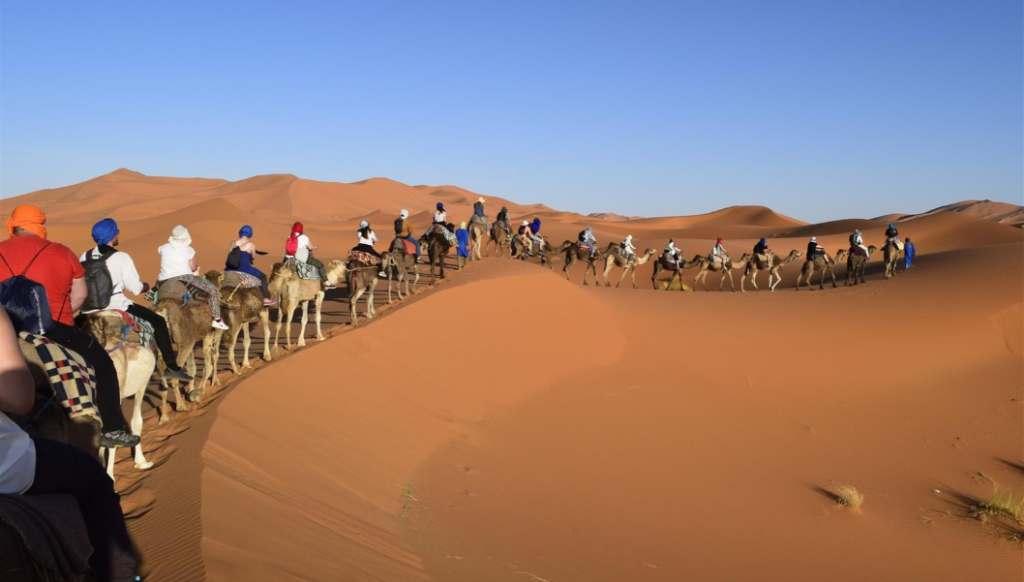
For a classic “golden dunes and camel ride at sunset” night, Morocco is the easier and more popular choice. Morocco’s two big dune seas both sit on the edge of the Sahara:
- Erg Chebbi (Merzouga): high, orange dunes reached by paved road. It fits naturally into a loop between Marrakech and Fes. From Marrakech, the drive takes about 9–10 hours and is usually split over two days via the Dades Valley.
- Erg Chegaga (via M’Hamid): wilder and quieter. The last stretch is a 4×4 piste through open desert, which makes it feel more remote. It works well for travelers who want fewer people around them.
Egypt’s deserts are beautiful too, especially the chalk formations of the White Desert and the Siwa Oasis. They take more time to reach, so most first-time visitors to Egypt skip them in favor of the Nile sites. If sleeping in the desert is high on your list, Morocco makes it simple. Read our guide to private Morocco desert tours to compare routes.
Which Is Easier to Get Around?
Morocco is ideal for a private road trip, while Egypt usually combines flights, trains and a Nile cruise. Morocco’s main sights connect by good roads, and the scenery between stops (mountain passes, palm oases, kasbah villages) is part of the trip. With a private driver, you can stop for photos, walk through a village or change plans without worrying about bus schedules.
Egypt’s distances along the Nile are longer. Most itineraries fly or take the train from Cairo to Luxor or Aswan, then cruise the river between the two. That works very well, but it means more transfers and set departure times.
Some realistic Morocco driving times to help you plan:
- Marrakech to Aït Benhaddou: about 3.5–4 hours over the Tizi n’Tichka pass
- Marrakech to Merzouga: about 9–10 hours, best split over two days
- Merzouga to Fes: about 7–8 hours via the Middle Atlas
- Fes to Chefchaouen: about 4 hours
If you’re new to the idea, our article on hiring a private driver in Morocco explains how it works day to day.
When Is the Best Time to Visit Morocco vs Egypt?
The best time for Morocco is spring (March–May) and autumn (September–November). For Egypt, it is October to April. The seasons overlap from October to April, so winter is the one period that works well for both.
- Morocco in winter (December–February): sunny days in Marrakech and the south, but desert nights get cold and snow can close the High Atlas passes for short periods. Good camps provide warm blankets.
- Morocco in summer (June–August): very hot inland and in the desert. The coast and mountains stay pleasant.
- Egypt in summer: Luxor and Aswan are extremely hot, often above 104°F (40°C), so sightseeing is limited to early mornings and evenings.
Also check the dates of Ramadan before you book either country. Both remain open to visitors, but opening hours and restaurant service can change during the month.
Is Morocco Safer Than Egypt?
Both countries welcome millions of visitors each year, and most trips go smoothly. Morocco is generally seen as the more relaxed of the two for first-time visitors. In both places, the most common problems are petty: persistent touts, unofficial guides and overcharging in tourist areas. Traveling with a private driver and licensed local guides removes most of that stress.
Advisory levels change over time, so check your own government’s current advice before booking. For US travelers, that’s the US State Department travel advisories page. Canadian, Australian and New Zealand travelers have equivalent official sites.
Which Has Better Food?
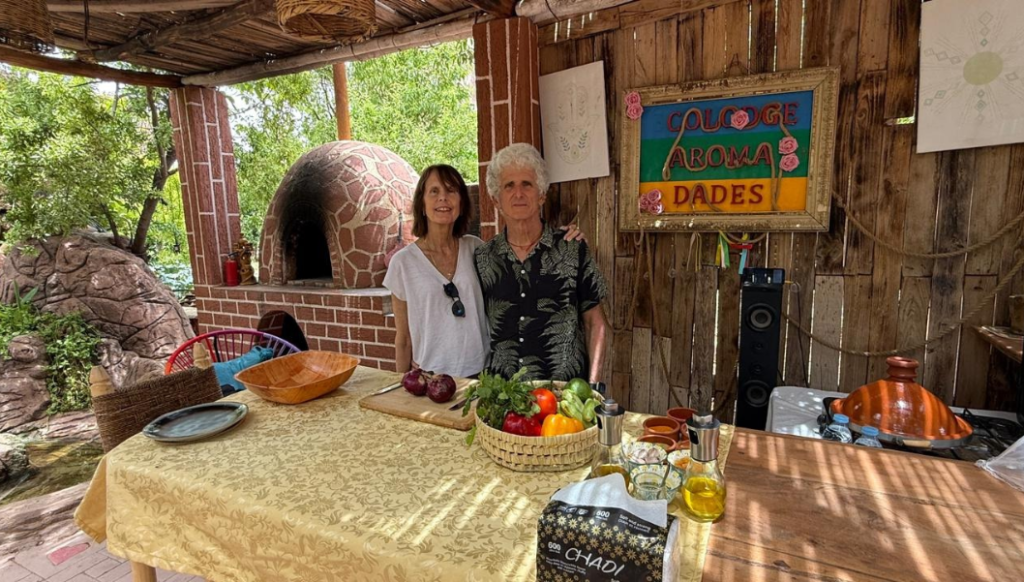
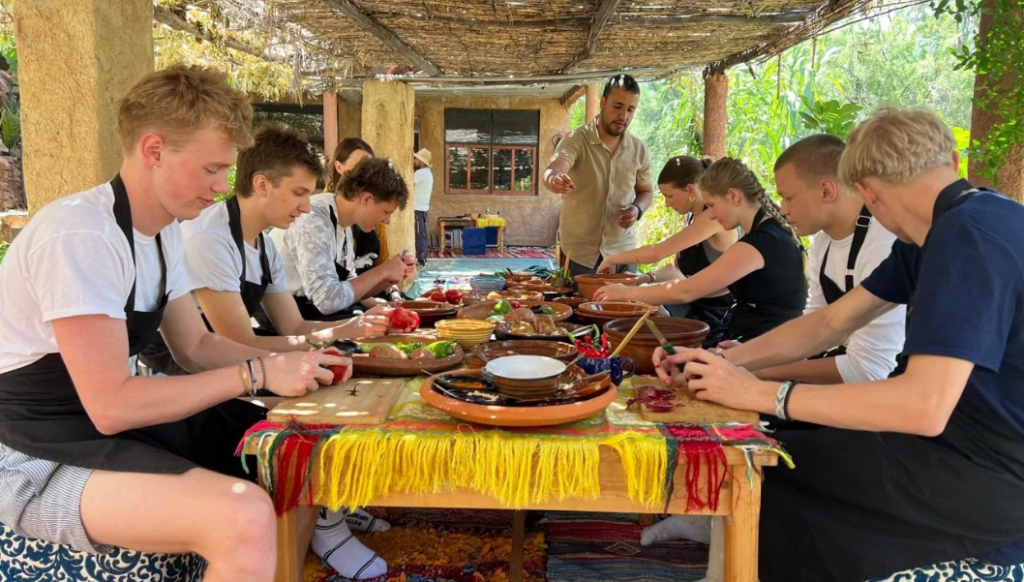
Most travelers rate Moroccan food higher, and it is a real highlight of a trip. Think slow-cooked tagines, couscous on Fridays, pastilla, harira soup, fresh bread, mint tea and huge salads of cooked vegetables. A home-cooking class in Marrakech or a medina food walk is one of the easiest ways to connect with local families.
Egyptian food is hearty and good value: koshari, ful medames, taameya (falafel made with fava beans) and grilled meats. It is enjoyable but rarely the main reason people go.
How Much Does Each Trip Cost?
Costs depend far more on your travel style than on the country. Day-to-day prices for meals and transport are broadly similar. What changes your budget is the level of hotels, how many internal flights or cruise nights you add, and whether you travel privately.
For a private Morocco trip with Chegaga Travel, prices start from US$272 per person per day, based on 2 travelers, with your own driver and vehicle for the whole trip. For a full breakdown of what affects the price, see our guide to the cost of a tailor-made Morocco tour.
How Many Days Do You Need?
Plan 7–14 days for Morocco and 8–12 days for Egypt. In Morocco, 7 days covers Marrakech, the Atlas Mountains and one Sahara night. Ten days adds Fes and a slower pace. Two weeks lets you add Chefchaouen, the coast or extra time in the mountains. See our 7 days in Morocco itinerary or the 2-week Morocco tour for full day-by-day plans.
In Egypt, 8–12 days usually covers Cairo and Giza, a Nile cruise between Luxor and Aswan, and Abu Simbel, with optional Red Sea days at the end.
So, Which Should You Visit First?
Visit Morocco first if…
- It’s your first trip to North Africa or the Arab world.
- You want variety: cities, mountains, valleys and desert in one trip.
- Sleeping in a Sahara camp is on your bucket list.
- You prefer a flexible road trip with a private driver over flights and fixed schedules.
- Food, crafts and daily life matter as much to you as monuments.
- You’re traveling as a family or couple and want a comfortable, varied pace.
Visit Egypt first if…
- Seeing the Pyramids and pharaonic temples is the reason you’re traveling.
- You love archaeology and history above everything else.
- A Nile cruise is the experience you’re picturing.
- You want to finish with beach time and diving on the Red Sea.
Many travelers end up visiting both. Morocco often comes first because its mix of experiences makes it an easy introduction to the region.
Can You Combine Morocco and Egypt in One Trip?
Yes. Two weeks is enough for a good first taste of both: about 7–8 days in Morocco and 6–7 days in Egypt. Nonstop flights connect Casablanca and Cairo, which makes the switch simple.
A practical outline:
- Days 1–8, Morocco: Arrive in Marrakech or Casablanca, cross the High Atlas to Aït Benhaddou, continue through the Dades Valley to a Sahara camp in Merzouga, then on to Fes. Fly out from Fes or Casablanca.
- Days 9–14, Egypt: Cairo and the Pyramids, then Luxor and Aswan by flight or cruise.
Chegaga Travel plans and operates the Morocco part of the trip. We’re happy to time your Morocco itinerary around your Egypt flights so the two parts connect smoothly.
Planning Your Private Morocco Trip with Chegaga Travel
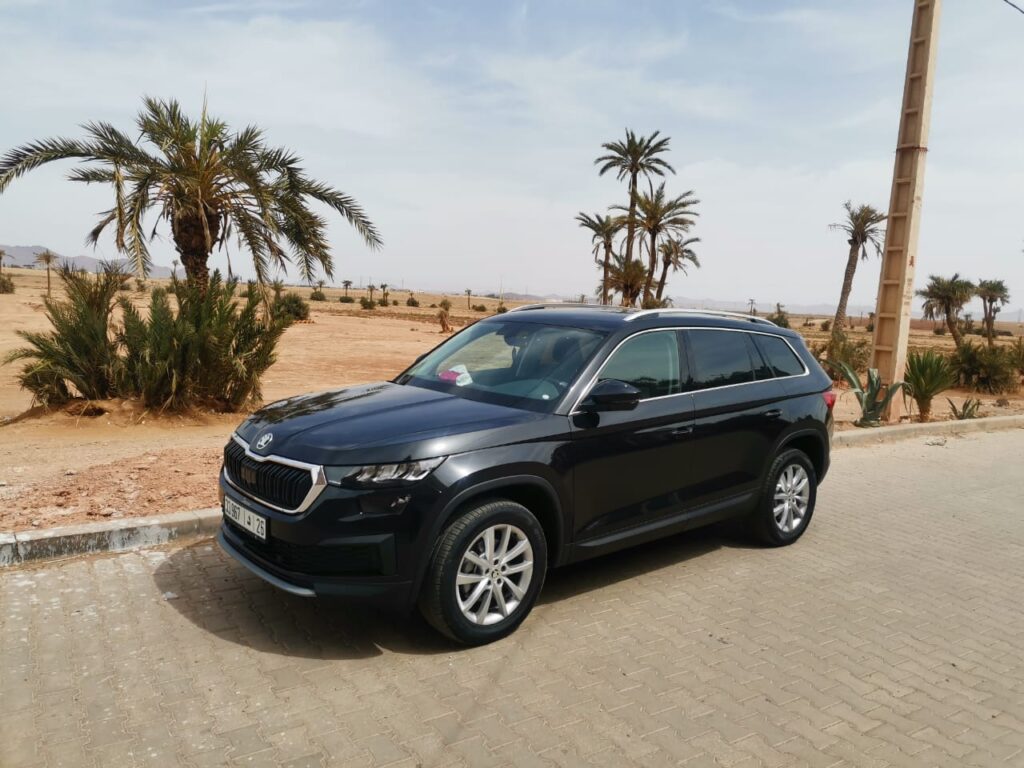
We are a Marrakech-based agency that builds private, tailor-made Morocco tours for couples, families and small groups (minimum 2 travelers). Every trip includes your own driver and vehicle from start to finish, and we design the route around your dates, pace and interests. That could be a first Sahara night, a Fes food walk, a hike in the High Atlas or a cooking class in Marrakech.
Popular starting points:
- Private Morocco tours: all our itineraries in one place
- Imperial cities of Morocco private tour: Marrakech, Fes, Meknes and Rabat
- Morocco tours for couples and family Morocco tours


Frequently Asked Questions
Is Morocco or Egypt better for first-time travelers?
Morocco is usually the easier first choice. Its highlights connect by good roads, distances are manageable, and you get cities, mountains and desert in one trip. Egypt is ideal if ancient monuments are your top priority, but its itineraries involve more flights and set schedules. Many travelers do Morocco first and Egypt on a later trip.
Is the Sahara better in Morocco or Egypt?
For a classic night among high golden dunes, Morocco is the more practical choice. Erg Chebbi near Merzouga and Erg Chegaga near M’Hamid both offer camel rides and overnight camps, and they fit easily into a multi-day road trip. Egypt’s White Desert is striking but takes more time and is less common on a first visit.
Can I visit Morocco and Egypt in two weeks?
Yes. Spend about 7–8 days in Morocco (Marrakech, the Atlas, a Sahara night and Fes) and 6–7 days in Egypt (Cairo, Giza, Luxor and Aswan). Nonstop flights link Casablanca and Cairo. It’s a full trip, so build in at least one slower day in each country.
Do I need a visa for Morocco?
Citizens of the USA, Canada, the UK, Australia and New Zealand do not need a visa for tourist stays in Morocco of up to 90 days. Your passport should be valid for your whole stay. Entry rules can change, so confirm with the official government website for your country before you travel.
Ready to Start with Morocco?
If Morocco sounds like the right first step, tell us your dates, how many people are traveling and what you’d love to see. We’ll send you a free personalized itinerary and quote, with no obligation.
Request your free personalized Morocco itinerary →
📅 Last updated: