Morocco Vacation Planner: Plan Your Perfect Moroccan Adventure with Chegaga Travel
Start Planning Your Trip to Morocco
As a Morocco-based planner at Chegaga Travel, I help travelers turn their bucket list dreams into real itineraries every single day. Morocco sits at the crossroads of europe and africa, just across from spain, and it packs an astonishing variety into one beautiful country: imperial cities with centuries of history, the atlas mountains rising to over 4,000 meters, the sahara desert stretching into silence, a long Atlantic coastline, and the blue-washed lanes of northern morocco.
So how do you start planning a trip to morocco? Begin with five decisions:
- Choose your dates – weather varies hugely by season and region.
- Decide trip length – five days or fourteen change everything.
- Pick main regions – desert, cities, mountains, coast, or a mix.
- Set a rough budget – from comfortable mid-range to full luxury.
- Define your travel style – adventure, culture, relaxation, or all this combined.
The rest of this guide covers every detail you need. As a locally owned tour operator specializing in private tailor-made tours, sahara desert journeys, and cultural immersion, Chegaga Travel is here to help you experience morocco at your own pace.
Why Use a Morocco Vacation Planner (and Why Chegaga Travel)
Planning your own trip to a diverse country like Morocco sounds appealing until you face the realities: driving distances between marrakech and the desert span 8–9 hours, rural roads require 4×4 vehicles, medina narrow streets confuse even seasoned travelers, and Ramadan and Fridays – considered holy days in Morocco – affect shop hours and restaurant availability.
A dedicated morocco vacation planner solves these challenges. Hiring licensed local guides is recommended in complex cities like Fes or Marrakech, and private tours in Morocco offer fully customized itineraries that let travelers visit off-the-beaten-path locations most people never see.
Chegaga Travel provides:
- Private tailor-made tours with flexible start cities (Casablanca, Marrakech, Tangier, or Fes)
- English-speaking local drivers with modern, air-conditioned vehicles
- Handpicked riads and desert camps
- Licensed local guides in every major city
- 24/7 on-trip support via phone and WhatsApp
You can certainly visit morocco independently and plan your own trip. But a local planner helps you maximize time, avoid common first-timer mistakes, and tap into a tourism industry built on personal connections and insider knowledge.
Best Time to Visit Morocco
The best time to visit Morocco is spring and fall. Visiting during the spring (March–May) or autumn (mid-September–early November) offers the best weather for sightseeing and outdoor activities, with Marrakech averaging 18–29°C and the sahara warm but manageable.
Summer (June–August): This is peak tourist season in Morocco from July to September, yet average summer temperatures in Marrakech can exceed 100°F (37–39°C). Coastal cities like Essaouira and Agadir stay milder. If you travel in summer, plan outdoor activities for early morning or late afternoon.
Winter (December–February): Cities are cool, the High Atlas gets snow above 2,500 m, and desert nights can drop near freezing. The upside? Fewer crowds and lower prices. Most rain in Morocco falls from November to March, particularly in the north.
Ramadan and holidays: Ramadan typically lasts 30 days from March to May (shifting annually by the lunar calendar). Restaurants close during daylight hours, but evenings come alive with food stalls and community. Experiencing Ramadan offers unique cultural insights – harira soup is traditionally served to break the fast, and the atmosphere is genuinely special.
Regional climate tips:
- Atlantic coast: mild year-round (Agadir ~22–25°C in summer)
- Interior cities: extreme heat in summer, pleasant in spring/autumn
- Mountains: cold nights even in summer at elevation; snow in winter
- Sahara: daytime highs reaching 42°C+ in summer; spring and autumn are ideal for camel treks
How Many Days to Spend in Morocco (Trip Length Guide)
A 10 to 14-day trip is ideal for experiencing Morocco’s diverse highlights. Here’s what different trip lengths allow:
| Trip Length | What’s Feasible |
|---|---|
| 5 days | One base city + day trip (Atlas or nearby desert preview) |
| 7–8 days | Imperial cities or Marrakech + sahara desert loop |
| 10 days | Imperial cities + Sahara + Atlas Mountains |
| 12–14 days | Add coast, northern Morocco, or deeper desert stays |
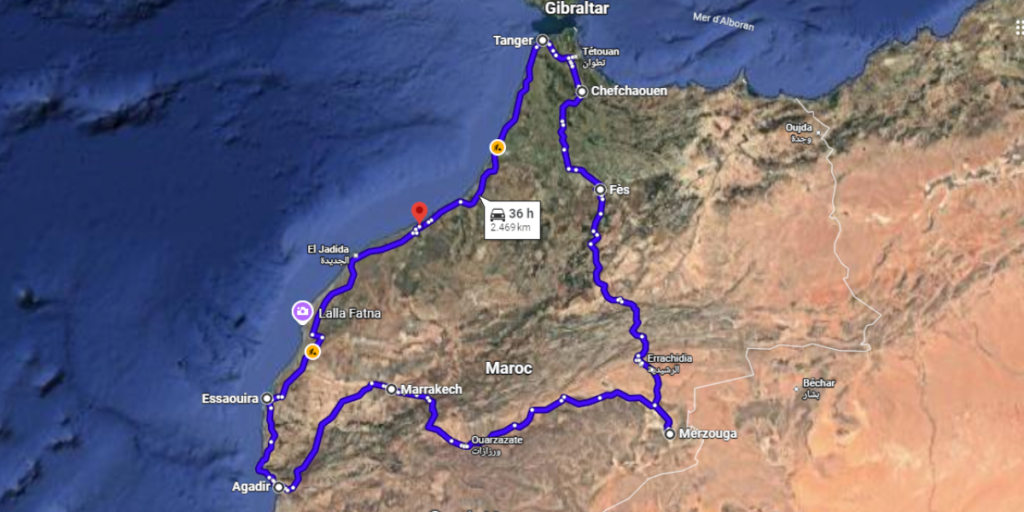
Driving times shape every itinerary. Marrakech to Merzouga is roughly 560 km and 8–9 hours via the Tizi n’Tichka pass. Traveling from Marrakech to Fes takes six hours by car, while Marrakech and Fes are eight hours apart by train. Most travelers split long desert drives over two days with overnight stops in the Dades Valley or Todra Gorge.
Whether you’re a solo traveler, a couple on honeymoon, or a family with children, Chegaga Travel adjusts the pace – building in rest days in Marrakech, Essaouira, or a mountain lodge. If you’re unsure, aim for 10–12 days with at least one night under the stars in the sahara.
Top Regions and Popular Destinations in Morocco
Morocco breaks naturally into four travel zones. Understanding them helps you build a logical itinerary through these popular destinations.
Imperial Cities

Marrakech is a vibrant city known for its bustling Jemaa el-Fnaa square, Bahia Palace, Ben Youssef Madrasa, Jardin Majorelle, and bustling souks that reward hours of exploring morocco. Fes is home to one of the world’s oldest medieval medinas, Fes el-Bali, where the fez medina’s tanneries and mosques feel untouched by time. Rabat is Morocco’s capital and features the Hassan Tower, a historic landmark, along with the restored palaces of the royal quarter. Meknes, often overlooked, offers the roman ruins of Volubilis just a short drive away.
Sahara Desert & Southern Routes
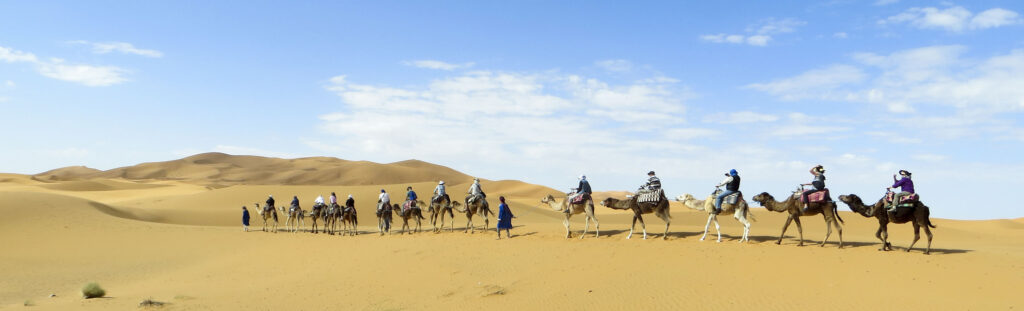
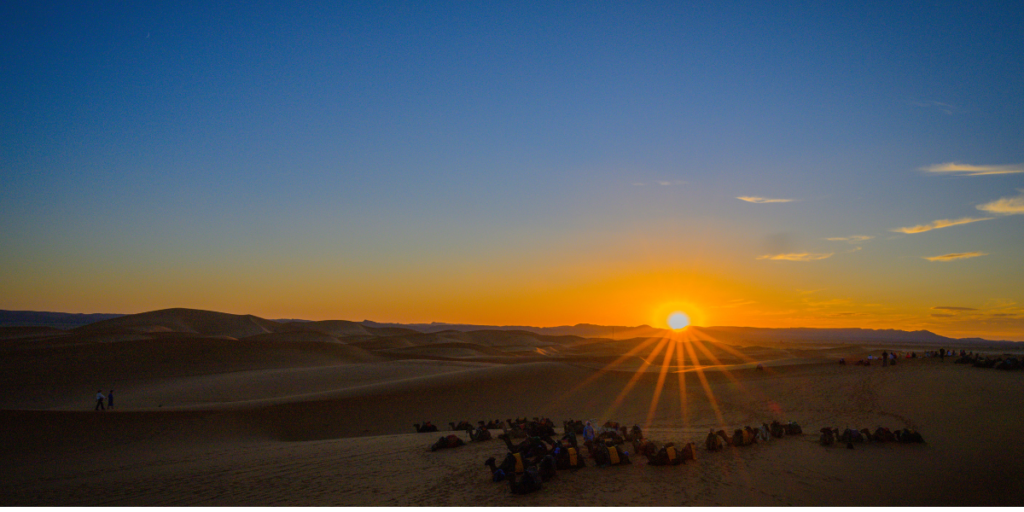
The south holds Morocco’s most dramatic landscapes. Merzouga is a gateway to Erg Chebbi sand dunes, where dunes rise to 150 meters. Erg Chegaga, near M’Hamid, is more remote – a vast sea of dunes spanning roughly 35 km × 15 km, accessible only by 4×4. Along the way, Ait Benhaddou is a UNESCO World Heritage site known for its mud-brick architecture, and the Dades Valley is nestled in the atlas mountains with stunning gorge scenery.
Atlas Mountains
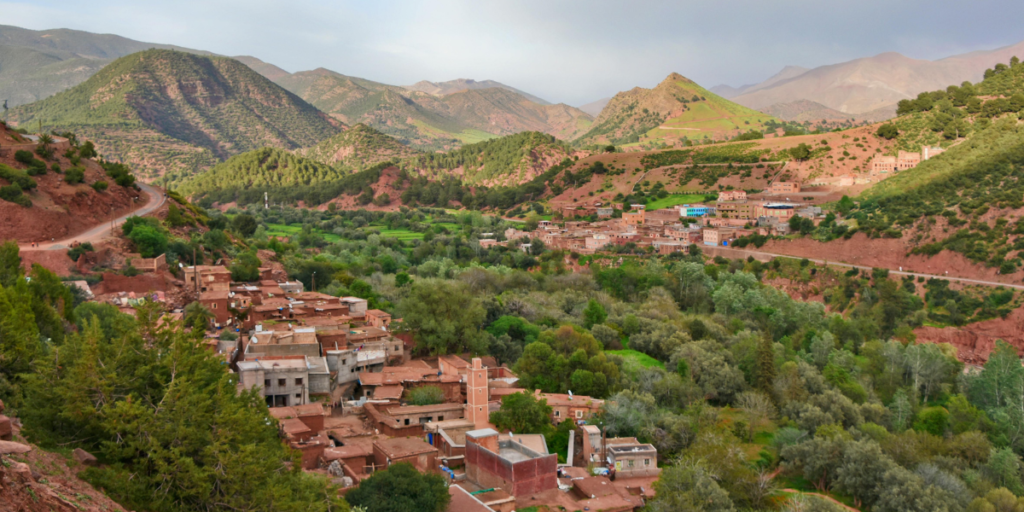
The atlas mountains are located in Morocco and feature ancient villages and hiking trails throughout. The highest peak in the atlas mountains is Toubkal at 4,167 m. The atlas mountains are home to Berber culture, and visitors can trek from Imlil, stay in village guesthouses, or visit the cedar forests in the Middle Atlas that are home to Barbary macaque monkeys. The atlas mountains feature the Tizi n’Tichka pass, a scenic travel route connecting Marrakech to the south.
Northern Morocco & Atlantic Coast
Chefchaouen is nicknamed the blue city for its distinct blue-painted streets set against the rif mountains. Tangier’s kasbah and old cafés pulse with creative energy. On the Atlantic, Essaouira – a fortified coastal town with ramparts and a lively harbor – makes a perfect end-of-trip retreat. Agadir offers resort-style relaxation for families wanting pools and beaches.
Sample Morocco Itineraries (5, 7, 8, 10, 12 & 14 Days)
These example private itineraries show how Chegaga Travel structures morocco tours. Each can be adapted to your interests and pace.
5-Day Marrakech Mini-Break: Arrive → 2 nights in Marrakech (guided medina tour, cooking class, Jardin Majorelle) → day trip to High Atlas (Imlil village walk) → optional Agafay desert sunset dinner → depart.
7-Day Imperial City & Sahara: Marrakech → Aït Ben Haddou → Dades Gorge (overnight) → Erg Chebbi or Erg Chegaga (camel trek, desert camp) → Ouarzazate → return Marrakech. Two nights in the desert region, two in passage towns, three in the city.
8-Day Northern Morocco Focus: Arrive Casablanca (Hassan II Mosque visit) → Rabat → Chefchaouen (2 nights, blue medina walks) → Fes (2 nights, tanneries, artisan workshops) → Casablanca departure. Slower pace, less driving.
10-Day Classic Circuit: Casablanca → Rabat → Fes (2 nights) → Middle Atlas cedar forests → Merzouga/Erg Chebbi (desert camp) → Dades → Marrakech (2 nights). Morocco has a well-connected rail network for major cities, so the Casablanca–Fes leg can be done by train.
12-Day Extended: Add two nights on the coast (Essaouira) or in the atlas mountains to the 10-day route. Rest days prevent fatigue and let you soak in the atmosphere.
14-Day Comprehensive Moroccan Adventure: Combine imperial cities, Sahara dunes (2+ nights in the desert), Atlas hiking, and either Chefchaouen or Essaouira. This is the trip for travelers who want to explore every facet of this country. Private drivers are available for intercity travel throughout, and Chegaga Travel uses tools like google maps alongside deep local knowledge to refine routes and choose scenic overnight stops.
Getting Around Morocco: Transportation Options
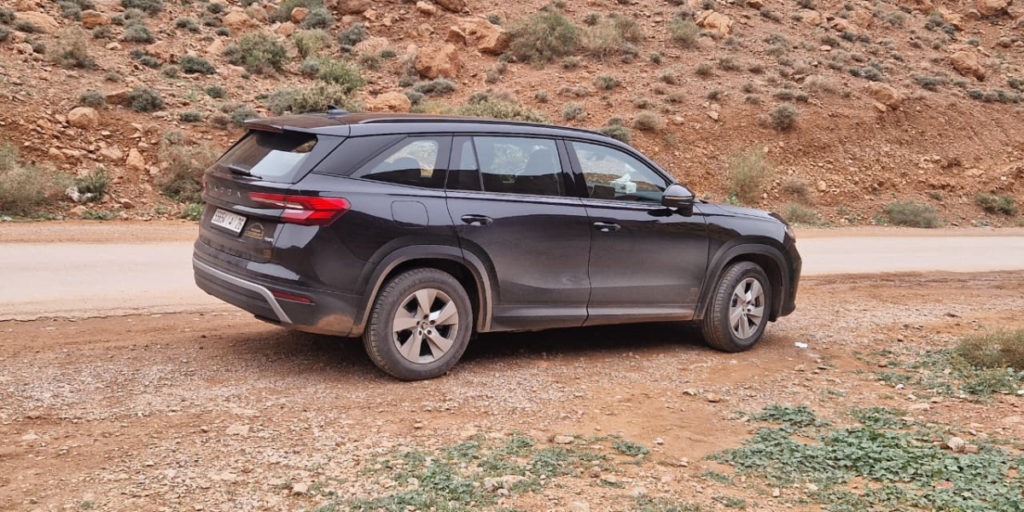
A private car with a private driver is the most comfortable and time-efficient way to get between cities, desert regions, and mountain areas – especially for first-time visitors.
Private transport: Chegaga Travel’s vehicles are modern and air-conditioned. Your English-speaking driver stops for photos, food, and viewpoints whenever you like. This flexibility matters on multi-day tours and is essential for desert access where public transport doesn’t go.
Trains: Traveling by high-speed rail connects major cities like Casablanca, Rabat, and Fes. The Al Boraq line covers Tangier–Casablanca in about two hours. Trains are comfortable but don’t serve desert or mountain routes.
Buses: CTM and Supratours run reliable intercity services on fixed schedules – good for budget travelers, though slower and less flexible.
Domestic flights: Airlines like Royal Air Maroc, British Airways, and American Airlines connect Morocco with europe and north africa. Domestically, flights occasionally save time on long cross-country legs but aren’t necessary for most classic itineraries.
City transport: Petit taxis handle local runs; grand taxis cover shorter intercity distances. Apps like Careem and Heetch work in bigger cities. Note that google maps is helpful for orientation but can be imperfect in medina areas and desert tracks – a local driver’s knowledge fills those gaps every time.
Accommodation in Morocco: Riads, Desert Camps & More

Riads are popular accommodations in Moroccan cities. Many riads are restored palaces or mansions built around interior courtyards with zellige tiles, central fountains, and rooftop terraces. Riads often feature shared common areas and gardens, creating an intimate atmosphere you won’t find in a chain hotel. Marrakech has numerous riads within the medina, and Airbnb lists many riads under $100 per night. Morocco’s riads offer an authentic cultural experience – expect personalized service, homemade breakfasts, and a peaceful retreat from the busy city outside.
Desert camps range from basic shared tents to luxury glamping with private en-suite bathrooms, proper beds, hot showers, and fine dining. Visitors can go glamping in the sahara desert under skies with zero light pollution. Evening Amazigh music around the campfire is a highlight at every level.
Mountain lodges in the Dades Valley, Ouarzazate region, and High Atlas villages use local stone and mud-brick, offering panoramic terraces and atmospheric rooms. Modern hotels and resorts along the coast and near airports suit families wanting pools and full amenities.
Chegaga Travel handpicks every accommodation for comfort, character, and location – matching choices to your budget, from charming mid-range to high-end luxury.
Budgeting Your Trip: Estimated Morocco Travel Costs
The Moroccan Dirham (MAD) is the official currency used in Morocco. Credit cards work in city hotels and restaurants, but cash remains essential in rural areas, small shops, and for tips.
| Budget Tier | Per Person / Day (excl. flights) | Includes |
|---|---|---|
| Mid-range private | $250–$400 | Boutique riads, comfort desert camp, private car & driver, local guides |
| Luxury private | $400–$700+ | High-end riads, luxury desert camp, specialist guides, finer dining |
A 7-day luxury private tour for two typically runs USD $4,000–$6,000 all-in (excluding international flights). For flights, carriers like Royal Air Maroc, British Airways, and American Airlines offer direct and connecting routes from europe and north america.
Popular experience costs:
- 2-day/1-night sahara extension with camel ride and camp: included in most tours
- Guided city tour of Marrakech or Fes: often included
- Cooking class, hammam, hot air balloon: $30–$150 per person as extras
Chegaga Travel packages typically include accommodation with breakfast, selected dinners (especially in desert and rural settings), private car and driver, and guided visits. Lunches, personal shopping, and optional activities remain extra. Haggling is common and expected when shopping in Moroccan souks – bartering is a common practice, and locals enjoy the exchange.
Share your budget expectations with our team so we can propose the right mix of riad, camp, and experience.
Unmissable Experiences for Your Moroccan Adventure
These aren’t generic attraction lists – they’re curated experiences woven into Chegaga Travel’s private morocco tours.
Sahara Desert: Camel trekking in the Sahara Desert is a quintessential Moroccan experience. Camel rides in Erg Chebbi provide cultural immersion in the desert, while Erg Chegaga offers deeper solitude. Erg Chebbi features expansive stretches of sand dunes perfect for sandboarding, an activity available in the sahara. Private tours can include unique experiences like stargazing in the desert – the Milky Way is extraordinary from a remote camp.
Imperial Cities: Walk through Fes el-Bali with a licensed guide who explains the tanneries, madrasas, and traditional moroccan craftsmanship workshops. In Marrakech, watch Jemaa el-Fnaa transform at night from storytellers’ stage to open-air food market. The hassan ii mosque in Casablanca – one of the world’s largest – is open to non muslims for guided visits.
Atlas Mountains: Half-day hikes with a mountain guide, Amazigh village visits, and sweet mint tea with a local family bring the mountains to life. Mule support is available for children or less experienced walkers.
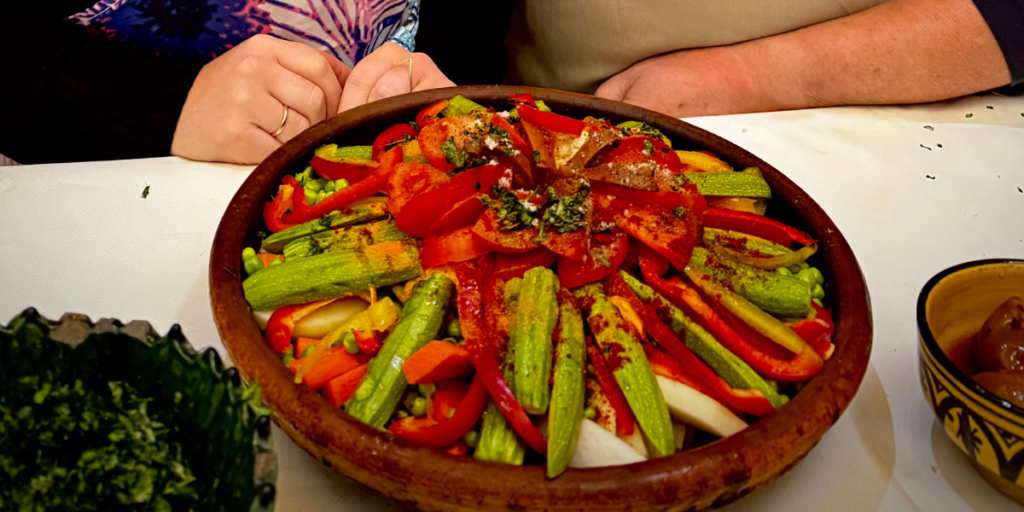
Culinary Experiences: Cooking classes in Marrakech teach traditional moroccan cuisine – you’ll learn to prepare tagine, which refers to dishes cooked in a clay pot, often with meat and preserved lemons. Couscous is Morocco’s national dish served with meat or vegetables. Mint tea is the most popular beverage in Morocco, served sweet throughout the day. Pastilla is a savory meat pie with a sweet pastry crust that surprises every first-time taster. Travelers can explore Morocco’s culture through private cooking lessons tailored to their group.
Packing Guide and Practical Travel Tips
Morocco’s climate varies dramatically between coast, city, mountains, and desert. Pack in layers.
Clothing:
- Light, breathable fabrics for daytime
- Warm fleece or jacket for sahara nights (October–March) and mountain evenings
- Modest but practical dress: covered shoulders and knees in medinas; women may carry a light scarf
- Comfortable walking shoes for cobbled medina streets; sandals for coastal towns
Essential gear:
- Sun hat, sunglasses, SPF 50+ sunscreen
- Reusable water bottle (drinking tap water is not advisable; bottled water is recommended)
- Small daypack, travel adapter (Type C/E, 220V), basic first-aid kit
- Personal medication with prescriptions
Documents and money:
- Passport (valid for trip duration), printed and digital copies
- Cash in small denominations for tips and rural purchases; ATMs available in cities
- Use hotel safes for valuables
Connectivity:
- Local SIM or eSIM for mobile data
- Download offline maps as backup – google maps can be unreliable in medinas
General tips:
- Stay hydrated, especially in the desert and mountains
- Bargain politely in souks – it’s expected and part of the culture
- Ask before photographing locals
- Most people are warm and welcoming; the food is extraordinary, and the country rewards curiosity
Chegaga Travel sends every client a pre-departure checklist and destination notes before their vacation begins.
Frequently Asked Questions About Planning a Trip to Morocco
Do I need a visa?
Most travelers from the US, Canada, UK, EU, Australia, and New Zealand can enter visa-free for up to 90 days. Always verify with your nearest consulate before travel.
Is Morocco safe?
Morocco is generally safe for tourists but requires normal precautions – avoid deserted alleys late at night, keep valuables secure, and travel with a trusted driver or guide. Whether you’re one woman exploring solo or a family with kids, the added comfort of a local planner makes a real difference. Morocco is a muslim country where hospitality is deeply valued, and women travelers are welcomed throughout.
What languages are spoken?
Morocco has two official languages: modern standard arabic and Amazigh (Berber). In daily life, most people speak moroccan arabic (known as Darija), which includes various dialects across regions. French and Arabic (Darija) are widely spoken in Morocco’s cities and tourist areas. English is increasingly common – our drivers all spoke english fluently, and in tourist zones most people working in the tourism industry do as well.
What about food and water safety?
City food is generally safe; street food requires common sense. Pharmacies are widely available. Drinking tap water is not advisable – stick to bottled or filtered water, especially in rural and desert areas.
How much should I tip?
On private tours, tip drivers approximately 50–100 MAD per day and local guides 100–200 MAD per day. Small tips of 5–10% are standard in restaurants.
Do I need travel insurance?
Comprehensive coverage is strongly recommended – including medical, cancellation, and coverage for outdoor and desert activities.
Have more questions? Send them directly to Chegaga Travel for personalized answers.
What Travelers Say About Their Morocco Vacation
Nothing inspires confidence more than hearing from travelers who have already experienced Morocco with us. From unforgettable Sahara Desert adventures and guided tours through the imperial cities to hikes in the Atlas Mountains and relaxing stays along the Atlantic Coast, our guests consistently praise the personalized service, local expertise, and attention to detail provided by Chegaga Travel. Read their genuine reviews and discover why so many travelers recommend us for private tailor-made tours across Morocco.


Ready to Visit Morocco? Plan Your Tailor-Made Tour with Chegaga Travel

With the right morocco vacation planner, you can confidently design a trip that blends imperial cities, atlas mountains, sahara desert, and coastal highlights at your ideal pace. All this complexity becomes simple when someone local handles the logistics.
Chegaga Travel offers everything you need: a locally based team, private tailor-made tours, private transportation with English-speaking drivers, handpicked riads and desert camps, trusted local guides, flexible itineraries, and 24/7 on-the-ground support.
Start planning today. Share your travel dates, approximate budget, and interests – whether that’s culture, sahara adventure, trekking, photography, or family time – and receive a custom proposal within 48 hours.
For spring and autumn travel, we recommend booking 3–6 months ahead to secure the best desert camps and riads in popular destinations like Marrakech, Fes, and Chefchaouen.
From our team here in Morocco: we’ll handle every detail so you can simply arrive and enjoy your moroccan adventure. This is a beautiful country, and we can’t wait to share it with you.