
Cultural Insights & Local Life

Moroccan Culture and Traditions: Cultural Insights & Local Life

Moroccan culture and traditions are rich and diverse, shaped by Arab and Berber roots and expressed through language, family values, cuisine, music, art, religious observances, and everyday customs such as welcoming guests with mint tea. For travelers from abroad planning private, immersive Morocco journeys, this overview brings together the cultural insights that make time in the country more meaningful — from Amazigh villages and nomadic families to artisans, storytellers, souks, and major landscapes like the Atlas Mountains and Sahara. This category explores daily life across Morocco’s diverse communities and helps you understand the people, places, and heritage behind each experience.

Moroccan people and local life

At Chegaga Travel, we believe that understanding local life is key to meaningful travel. Morocco’s linguistic diversity includes Arabic, Amazigh, and French, with Berber languages remaining important in different regions, especially in Northern Morocco and the High Atlas. In Moroccan society, family, honor, and a calm disposition are widely valued, and most Moroccans maintain strong family ties. Moroccan teenagers also commonly live with their families until marriage. Here you’ll find articles that uncover the customs, celebrations, music, languages, family traditions, and Moroccan literature that make Morocco so vibrant and unforgettable. Local traditions often include welcoming guests with mint tea and meals, a gesture central to Moroccan heritage and cultural traditions. Moroccan weddings are often elaborate, multi-day celebrations with music and dancing. Moroccan cuisine reflects Arab, Berber, Mediterranean, and French influences, and the Moroccan diet includes couscous, tagine as a meat and vegetable stew, and other dishes seasoned with spices such as saffron, cumin, ginger, and Ras El Hanout. Our stories also explore the country’s musical heritage, including Gnawa music and chaabi, as well as art like Zellige tilework, berber rugs, ancient medinas, and majestic palaces. Contemporary art in Morocco began over 50 years ago, Marrakesh is often seen as the country’s art capital, and Maghrebi Arabic script holds an important place in Moroccan visual arts. Islam shapes daily life and many shared customs, linking Morocco to the Arab world, Africa, and the wider world.

Browse our cultural insights to deepen your experience — and feel more connected to the people and spirit of Morocco.

Rich History, Moroccan heritage & Cultural traditions.

Moroccan cities such as Marrakech and Casablanca are key urban areas where history, art, and local traditions come alive. Outside major cities, dress is generally conservative, and covering shoulders and knees is usually expected. Market vendors are part of daily life across the country. Souks and local markets are vital centers of commerce and culture where bargaining is common and community interaction matters as much as buying and selling.

Moroccan traditions & Musical Heritage

Cultural festivals and other festivals, including the rose festival and Yennayer on January 12, show how Moroccans celebrate living traditions. Major observances include Ramadan, Eid al-Fitr, Throne Day, Youth Day, Independence Day, Green March Day, and Eid al-Adha. Moussems are traditional festivals tied to local saints or agricultural cycles and often include music and dance.

High Atlas Mountains & Berber Languages

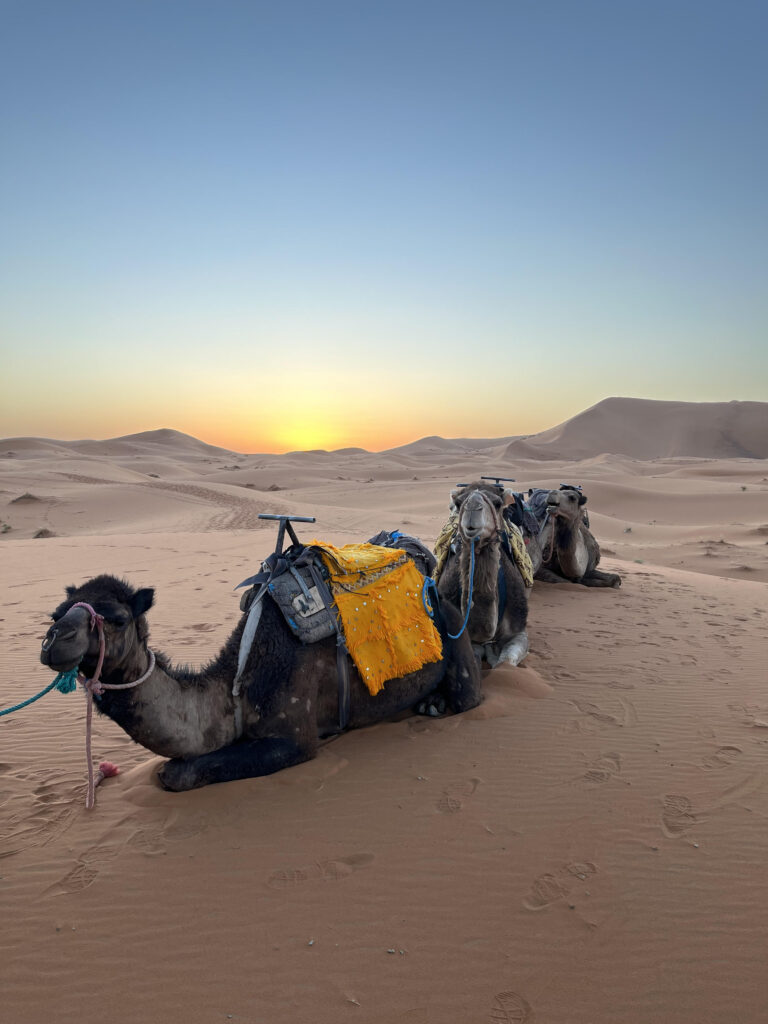
The Atlas Mountains are a cultural foundation, home to Berber communities in rural areas, ancient kasbahs, picturesque villages, excellent hiking, and Mount Toubkal, the highest peak in North Africa, while the Sahara desert offers vast dunes, Erg Chebbi, camel rides, camping under the stars, and tours from short visits to multi-day adventures.